
How Does a Hook Shot Blasting Machine Clean Heavy Metal Parts?
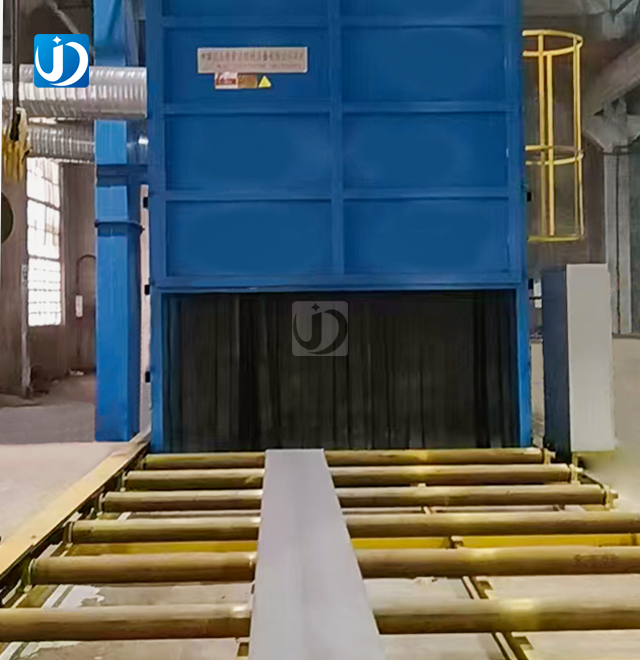
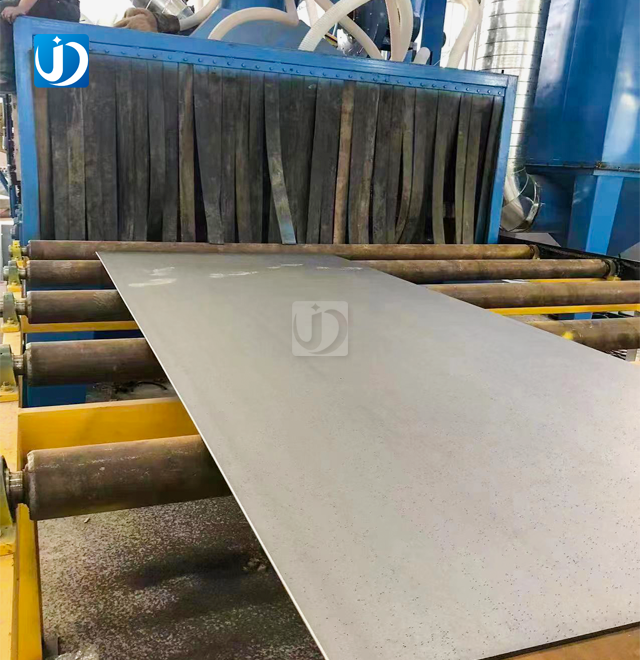
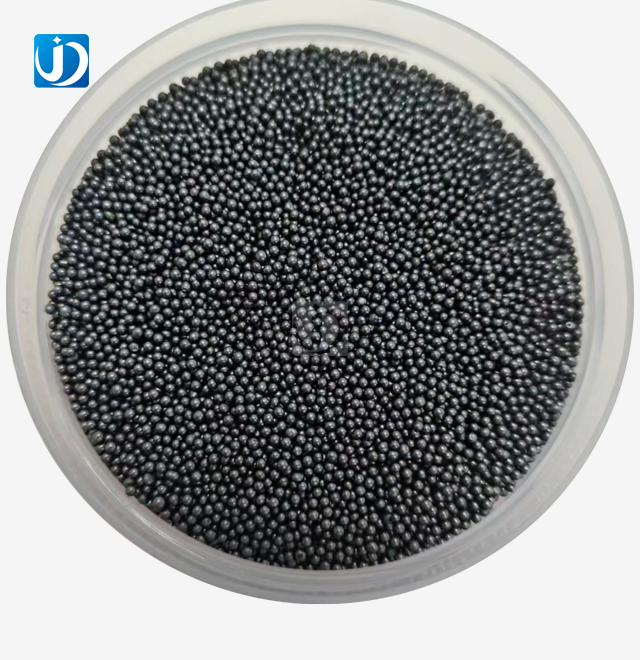
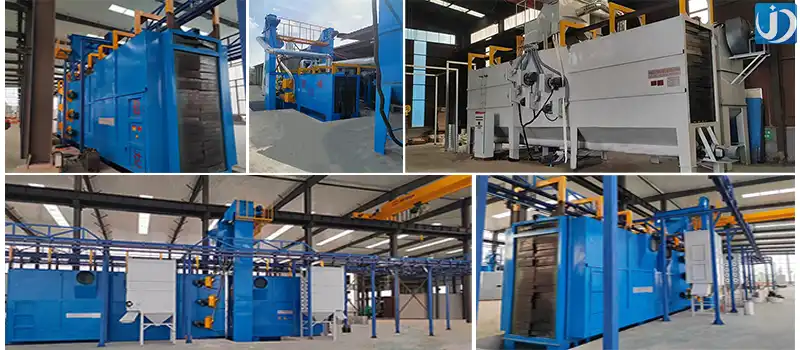
A hook pass-through shot blaster cleans heavy metal parts by suspending them on rotating hooks and moving them along a monorail track through a sealed blasting chamber. Inside, high-speed turbines propel steel shot or grit at the workpiece surface from multiple angles simultaneously. This removes rust, mill scale, welding slag, and old coatings in one continuous pass. The result is a clean, uniform anchor profile — typically achieving Sa2.5 or better — that prepares parts for painting, coating, or further fabrication without manual grinding or repeated handling.
Understanding the Hook Shot Blasting Machine: Operating Principles and Process
It's helpful to know exactly what goes on inside a surface preparation machine before you buy it. This is a step-by-step guide to the process.
How Parts Move Through the System
A single-rail track hangs parts from above, and they move steadily through the blasting chamber. If you set up a pass-through, loading and unloading happen outside the blast zone. This means that while one part is being cleaned, the next is already being loaded. This repeating beat gets rid of the downtime that stops single-station machines in their tracks.
What Happens Inside the Blast Chamber
The walls of the room are made of Mn12 high-manganese steel plates, which can take a hit without breaking easily. Steel shot is spun at speeds of over 70 meters per second by several high-alloy turbine wheels, each of which is usually rated between 7.5 kW and 22 kW. The hook spins at 2–4 r/min, and the lifting speed and hook rotation speed are both frequency-controlled, so operators can set the right intensity for each part based on its size and level of rust.
Abrasive Recovery and Dust Control
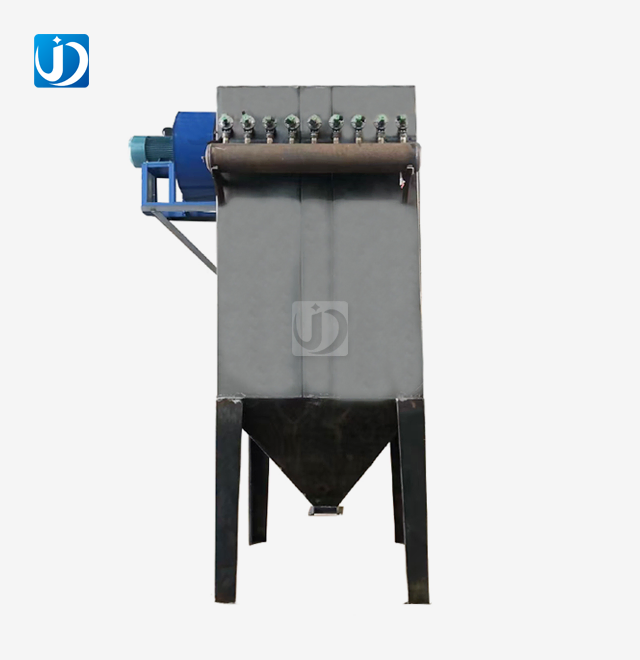
When the steel shot hits something, it falls to the floor of the chamber and into a bucket elevator. The elevator then lifts the shot up and into a spiral conveyor. Before the recovered hook pass-through shot blaster goes back into the blades, an air-wash separator gets rid of broken shot, dust, and other small particles. Dust goes into a cartridge-type collector, which keeps emissions below 5 mg/m³, which is below the level needed to meet most environmental regulations in the region.
Material Compatibility and Safety
These tools can work with steel, cast iron, structural fabrications, truck frames, big castings, and parts with odd shapes that weigh between 500 kg and 10,000 kg per hook. Part-on-part collisions, which are common in tumble-style machines and can cause damage, are stopped by the single-hook, non-contact support. The operators do not go near the blast zone at all, and the sealed chamber holds all of the abrasive materials during the cycle.
Key Benefits of Using Hook Pass-Through Shot Blasters in Heavy Metal Cleaning
After seeing how much time they save, many plants move up from batch or hand blasting. Here are the main benefits of this kind of gear.
- Continuous throughput without stopping: Since loading and unloading happen at the same time as blasting, the machine is never idle while it waits for a new part. Compared to single-station hook machines, plants that work with big structural parts say that their cycle times are 30–50% shorter.
- Consistent Sa2.5 surface quality: Frequency-controlled hook spin makes sure that no surface angle is missed. Achieving Sa2.5 in a single pass cuts down on repairs, failed coatings, and quality claims, which are three costs that eat away at profit margins faster than most managers realize.
- Long wear-part service life: High-alloy blasting blades and chamber walls made of high-manganese steel are designed to last longer between repairs. Longer wear life means lower running costs over three years, which is more important to production managers than the price of the item itself.
- Capacity for heavy and complex geometry: With single-hook load rates ranging from 500 kg to 10 t, plants can take on bigger orders from customers without having to turn away parts that are too big. The configurable chamber dimensions are big enough to fit truck frames, excavator arms, and big castings.
These benefits directly fix the problem of a single-station production slowdown that many medium-sized machinery and manufacturing plants experience when they get more orders. If the only thing stopping your floor output is loading downtime instead of firing time, a pass-through method fixes that problem where it starts.
Comparing Hook Pass-Through Shot Blasting with Other Shot Blasting Technologies
The shape, weight, and output amount of the part affect the choice of blasting technology. This is how the main choices compare.
Hook Pass-Through vs. Tumble Blasters
For large small parts like bolts, casts under 15 kg, or short profiles, tumble blasters work well because they spin the free parts inside a drum. Part-on-part contact damages the surface, so they can't handle big, fragile, or machined parts. Hook pass-through shot blaster systems can work with parts that can't be twisted at all. This includes most work that involves building structures and making parts for machines.
Hook Pass-Through vs. Rotary Table Blasters
Rotating table machines put parts on a rack that spins inside a set blast zone. They work well for parts that are flat or symmetrical, but not so well for parts that are tall or have odd shapes that could fall or stop the blast stream. The part stays suspended in the air thanks to the overhead hook, and the blast stream can reach underneath and between the flanges without having to move the part.
Selecting the Right Model for Your Production
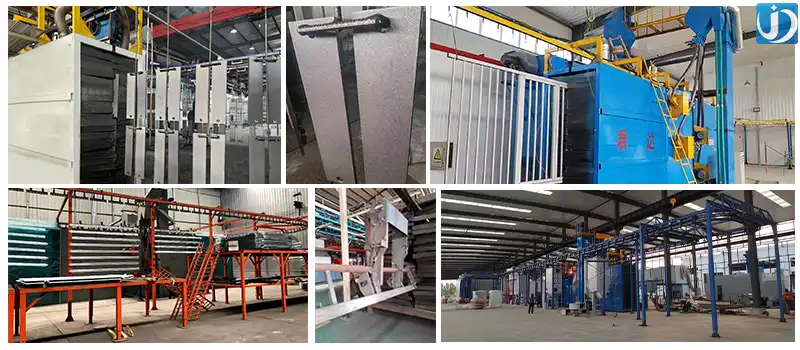
The Q37, Q38, and Q48 series from Junda Machinery have a lot of different chamber sizes and hook load ratings. The Q37 and Q38 models work with standard machine and structural parts. The Q48 series can handle single-hook loads of up to 10 t, and the customer can choose the chamber size and track length that works best for their floor plan. To choose the right series, you must first know your daily output goal and the largest part envelope that you can handle.
Practical Considerations: Maintenance, Troubleshooting, and Procurement Tips
Regular maintenance is the only way to keep good equipment working. Also, teams that buy things should know what to check for before they sign a purchase order.
Daily and Preventive Maintenance Routines
Check the blast wheel blades every 50 to 80 hours of use and replace them before they cause vibrations or an uneven surface. Every month, look for loss in the Mn12 inner plates, especially in the direct blast impact zone. Clean the cartridge dust filter elements on a plan that works with your shift volume. Clogged filters slow down airflow and let dust run back into the separator.
Common Troubleshooting Scenarios
If the surface isn't cleaned evenly, it's likely because one of the blades is old or cracked and making an uneven blast pattern. When door seals leak abrasively, it means that the rubber curtains are worn out and need to be replaced. If the separator sends a broken hook pass-through shot blaster that is too big back into the circuit, the air-wash gap needs to be changed. This stuff can be fixed in less than two hours if you have the right parts on hand.
What to Verify Before Purchasing
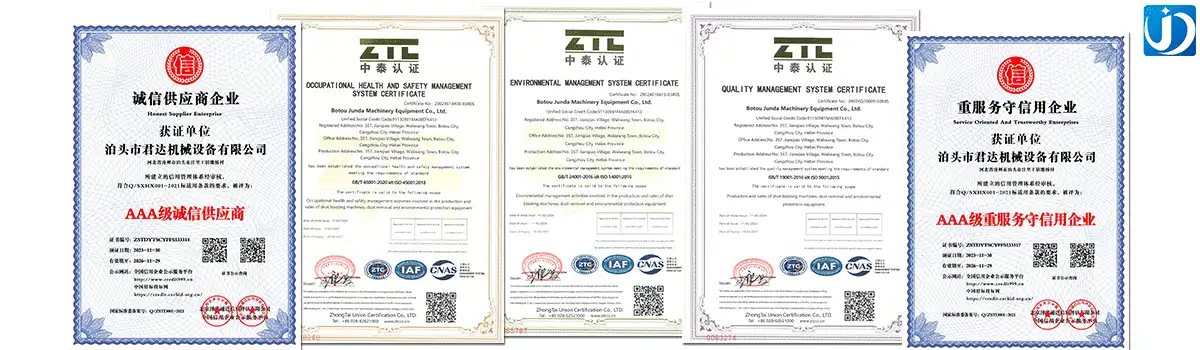
When looking at a hook pass-through shot blaster provider, make sure they have ISO 9001 quality certification, a stock of extra parts, and the ability to provide technical help after the sale. Find out if there is remote commissioning support and if there are English-language operation manuals. On-time deliveries are important. For customized tools, a 15-day production window is a reasonable and competitive standard.
Case Studies: Success Stories of Hook Shot Blasting in Heavy Metal Cleaning
Engineering Machinery Component Factory
A medium-sized excavator part factory with a single-station hook machine was losing about a quarter of each shift to loading and unloading. When they switched to a pass-through configuration, that idle time turned into blasting time, and with the same shift schedule, daily output went up by more than 30%. Because the frequency of the hook rotation was tuned for each part weight, first-pass Sa2.5 rates also went up.
Truck Frame and Body Fabricator
Before powder coating, a company that makes truck bodies had to clean frames that were up to 8 m long and 3 t heavy. Their old method of grit blasting by hand made the surface features uneven and cost a lot to do. The manual process was replaced with a Q48-series pass-through machine with an extended track layout. This cut down on the amount of work needed per unit by a large amount and stopped coating adhesion problems on the first production run.
Heavy Casting Refurbishment Operation
An iron casting plant that made irregular-structure casts discovered that tumble blasters missed some areas and had to be touched up by hand. When they switched to suspended hook blasting, the blast stream could reach all face angles because the hook could rotate. This cut the time needed for manual rework by about 40% and increased output for the same group size.
Conclusion
A hook pass-through shot blaster cleans heavy metal parts by rotating them continuously inside a multi-turbine blast chamber. This creates a smooth Sa2.5 surface while loading and blasting happen at the same time. This design turns idle loading time into useful output time for plants that have reached their single-station production cap. Over years of daily use, the closed abrasive recovery loop and built-in dust collection keep costs and emissions low. The pass-through design is the straight answer to the problem of having to stop the machine every time a new part goes on the hook.
FAQ
1. How often should I replace blast wheel blades?
Every 50 to 80 hours of use, check the blades. Depending on how hard the shot is and how fast it is fed, high-alloy blades can last more than 100 hours. To keep the wheel from becoming unbalanced, replace any blade that has cracks or a thickness loss of more than 30%.
2. Can the machine handle irregularly shaped heavy parts?
Yes. The single-hook support method keeps parts in place without letting them touch other parts. When you mix hook spinning at 2–4 r/min with placing turbines at different angles, you can get to recessed surfaces and complicated shapes that fixed-position or tumble systems can't reach properly.
3. What surface cleanliness standard does this equipment reach?
With the right blast strength and hook rotation speed, these tools always get to Sa2.5 according to ISO 8501-1 in a single pass. Sa3 can be reached by either increasing the turbine output or extending the cycle time.
4. What safety measures are required for operators?
Since operators load and remove parts outside of the sealed blast room, they don't have to deal with abrasive media directly. When loading, it's best to wear standard PPE like safety glasses, gloves, and hearing protection. The dust collection system keeps the level of particles in the air below the safe working level.
5. What is the typical lead time for a customized unit?
Depending on the chamber size and hook load specs, Junda Machinery can make standard personalized configurations within 15 days of receiving an order. There is remote installation guidance and commissioning support.
Ready to Solve Your Surface Preparation Bottleneck? Contact Junda Machinery
Botou, Hebei, is where Junda Machinery has been making shot blasting equipment for 20 years. Botou is one of China's well-known places for foundries and industrial machinery. We have ISO 9001, ISO 14001, and ISO 45001 certifications for our Q37, Q38, and Q48 hook pass-through shot blasters. We also back up every unit with English-language manuals, remote commissioning, and long-term spare parts supply. If you need a trustworthy hook pass-through shot blaster manufacturer with valid certifications and a 15-day production lead time, email junda001@jundablast.com with the size and weight of the part you need to blast to start choosing tools right away.
References
1. Rossi, S., & Fedel, M. — Progress in Organic Coatings, 2018.
2. ISO 8501-1:2007 — Preparation of Steel Substrates Before Application of Paints and Related Products, International Organization for Standardization, 2007.
3. Shipway, P. H., & Hutchings, I. M. — Wear, 1993.
4. Ossert, J. — Surface Engineering, ASM Handbook Vol. 5, ASM International, 1994.
5. Tosha, K., & Iida, K. — Journal of the Society of Materials Science, Japan, 2002.
6. Steel Structures Painting Council — SSPC Surface Preparation Specifications, SSPC, 2020.

USER EVALUATE
Real feedback and practical experience shared by worldwide partners who purchased our machinery and environmental treatment devices.