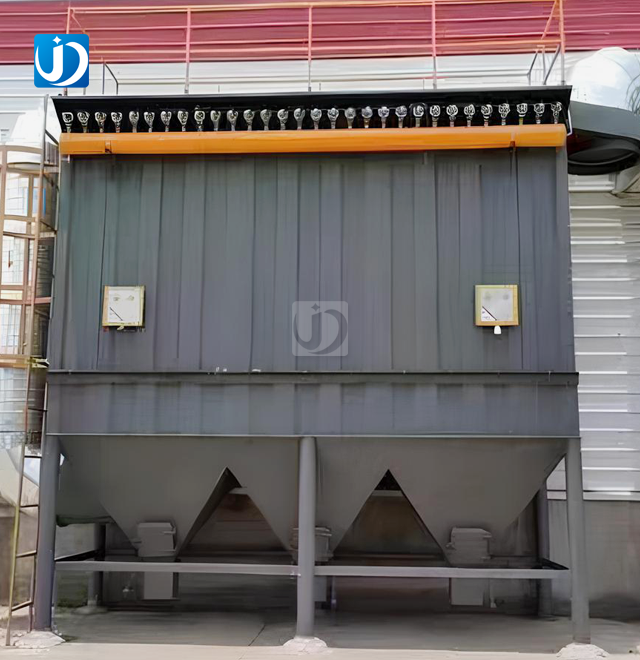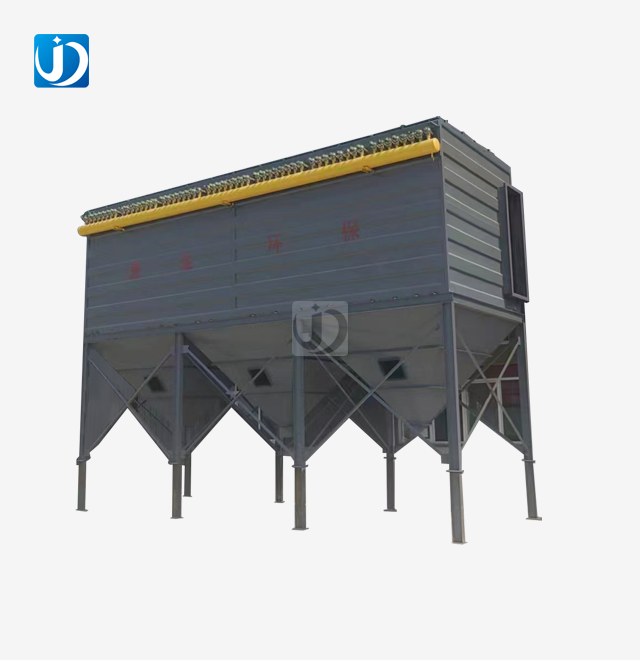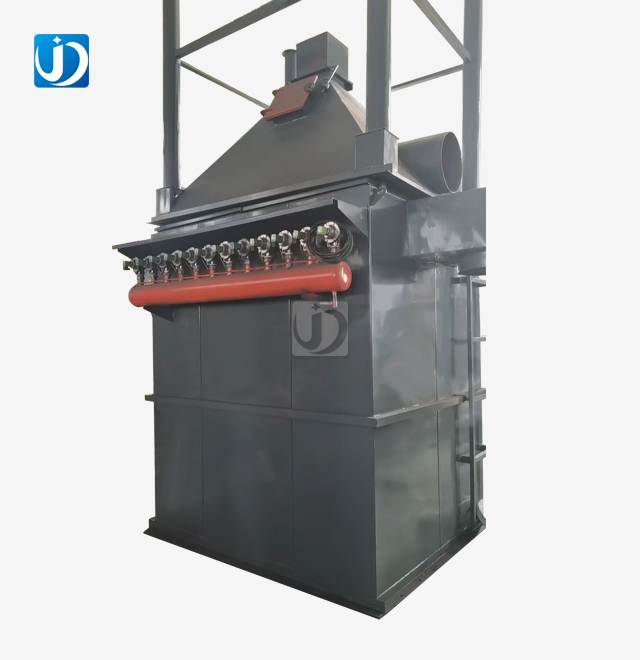

How to Choose the Right Cyclone Dust Separator for Industrial Use
To choose the right cyclone dust separator for industrial use, start with your dust and airflow data: particle size, dust loading, abrasiveness, moisture, and required airflow. Next, match the cyclone's diameter, inlet design, and wear protection to those values. Check the pressure drop across the whole duct system, and decide whether the unit will work alone or ahead of a baghouse or cartridge collector. Finally, verify the supplier's customization ability, lead time, and technical support. A unit that fits these factors cuts filter load, controls energy use, and supports regulatory compliance.
Selection Drives Cost and Compliance
The separator you pick sets the performance of the whole dust-control system. A unit that is too small passes coarse dust downstream and overloads filters. A unit that is too large can lose air velocity and let particles escape. Both mistakes raise energy use, filter replacement, and downtime. In the United States, emissions limits and workplace rules add pressure. One example is OSHA's respirable crystalline silica standard, which covers silica exposure during abrasive blasting. At Junda Machinery, we see that many selection problems trace back to missing data early in the project.
Where a Cyclone Fits
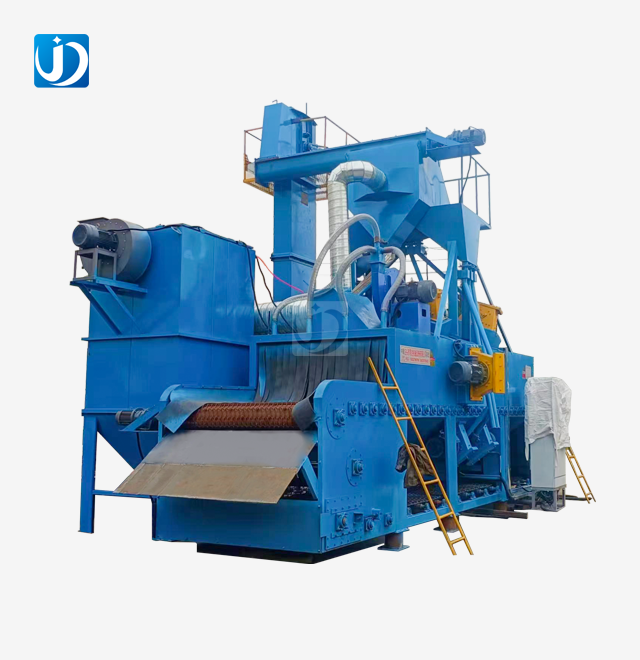
A cyclone removes larger, heavier particles before air reaches a downstream filter. That protects cartridges, filter bags, fans, and ductwork from wear and rapid loading. The U.S. EPA's cyclone fact sheet describes these devices as common pre-cleaners ahead of fabric filters. Typical uses include woodworking, metalworking, agriculture, mineral processing, cement, chemical production, and bulk-material handling. On shot blasting, sandblasting, grinding, and cutting lines, a cyclone also catches reusable abrasive and metal debris before it reaches the filter.
What This Guide Covers
This guide covers operating principles, airflow and pressure drop, particle-size limits, system compatibility, maintenance, and supplier checks. It is written for engineers, purchasing teams, distributors, OEMs, and international buyers who compare industrial dust-separation equipment. I keep the language plain and name published sources so you can verify the claims. When I describe our own product, I use only its published features.
Define Your Dust-Separation Requirements Before Comparing EquipmentDocument the Process and Dust Sources
Start by making a simple process map. List each source of dust, where it will be taken out, when it will be used, and how much space it takes up.When your production grows, the existing unit may no longer match the increased load.. Write down how long each machine in the lines for shot blasting, grinding, and cutting works, as well as how the extraction hoods connect to the ducts. This map is used for all quotes, and it also helps the service provider make sure that the unit works with your plan. This is important to know because our cyclone dust separator can handle 1500–15000 m³/h and can be changed to fit the supporting equipment and amount of dust.
Measure Dust Characteristics
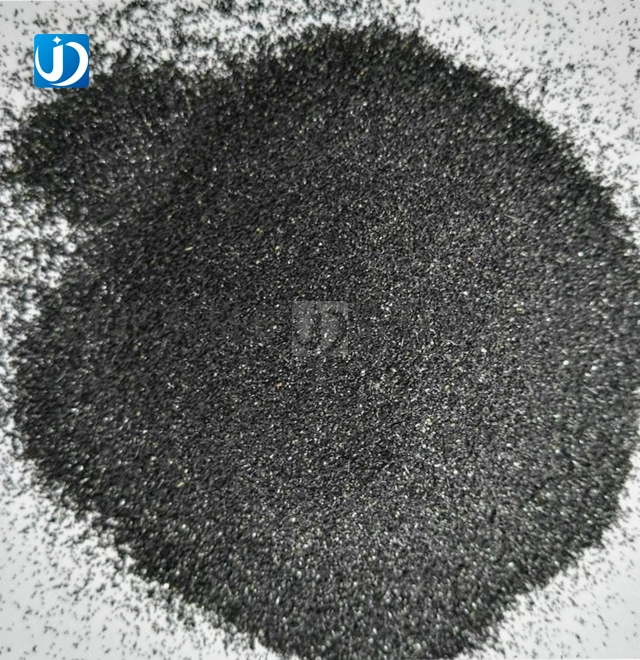
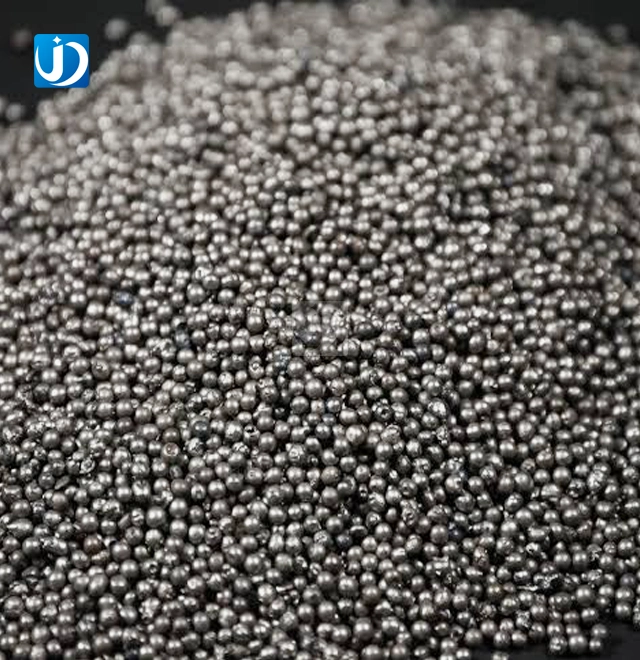
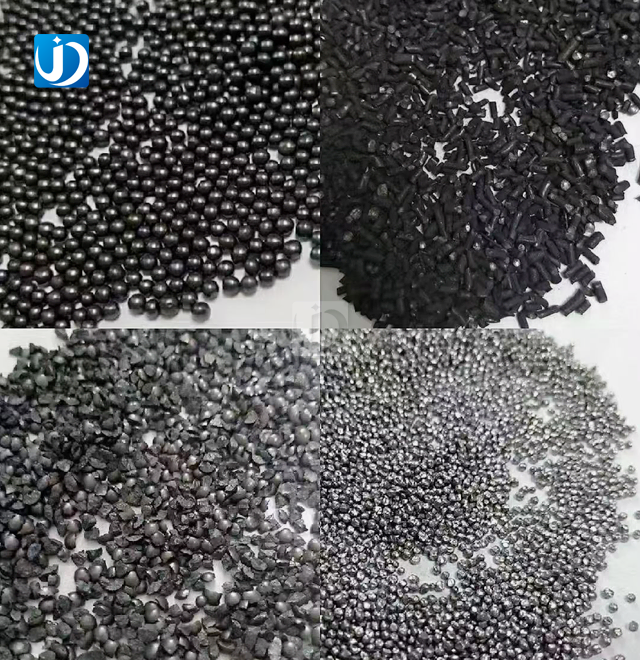
Because of how dust goes through a cyclone dust separator, it can either be the main collector or just a pre-separator. Find out about the size of the particles, the amount of dust, the mass density, how wet the material is, and how rough it is.Moisture matters: damp dust adheres to the walls, altering the internal flow pattern and raising pressure drop. Rough metal dust, like broken steel shot and mill scale, needs a cover that doesn't wear down quickly. Send a sample of the dust or a written plan of how the process will work if you can't test it yourself.
Set Targets for Emissions, Safety, and Space
Write down the goals the system needs to meet before you ask for quotes. Define noise limits, emission targets, waste disposal method, and required ancillary devices. If your dust can catch fire, NFPA 652 says dust hazard analysis (DHA). Right away, your safety team should look over the cyclone dust separator plan. The type of coating or material used can change when it is placed outside because of weather, humidity, and corrosion. When you know what you want, it's easier to compare suppliers. A clear set of goals also cuts down on the changes that need to be made during technical confirmation.
Understand How a Cyclone Dust Separator Works
How the Vortex Separates Dust
There are no filters in a cyclone dust separator. Instead, they use rotational force. Dusty, fast-moving air comes in from the side of the cylinder and makes a flow that turns. The big and medium-sized pieces move toward the wall, hit it, slow down, and then slide down the cone into the ash bin. There is a hole at the top where the cleaner air leaves. The dry, mechanical method keeps the stuff from getting wet. This helps when you screen grit and use it again. The fact that there are no moving parts inside also helps explain why it fails so rarely.
Design Features That Change Performance
The results depend on many things, including the shape of the cone, the size of the outlet, the diameter of the cyclone dust separator, and the speed of the airflow. It's true that a smaller diameter makes the rotational force stronger and traps smaller dust, but it also makes the pressure drop bigger. In a longer cone, things have more time to settle down. The seals are just as important. The lower spin stops when air gets into the dust bin or discharge hopper. This sends the dust back into the exhaust. That's the main reason why work gets less done over time. Ask the providers how they make sure the flanges are covered and the welds are good.
Single Cyclones and Multi-Cyclones
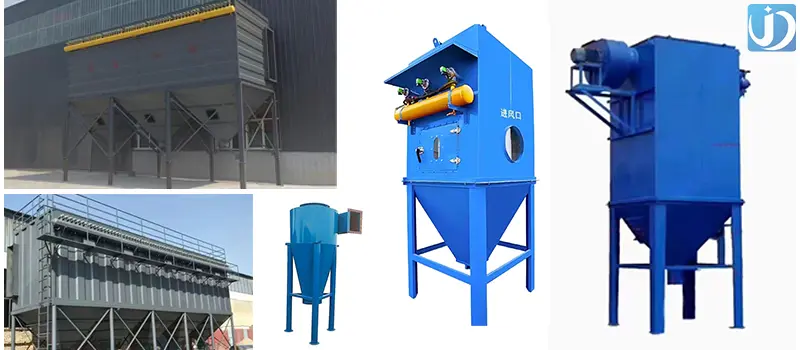
A large single cyclone handles higher dust loads. A multi-cyclone is made up of many small tubes that are linked together. To separate smaller dust, this makes the rotational force stronger, but it also makes it more likely to get clogged. A single cyclone dust separator with a wear lining is often enough to handle heavy, rough loads in plants that blast and cast. It's easy to check and doesn't get clogged up quickly. As long as the dust is small and dry, a high-efficiency long-cone or a multi-cyclone might work, but most people still use a downstream filter after it. Type should match the dust data.
Evaluate the Core Technical MetricsAirflow and Pressure Drop
The airflow is the first number to look at. It's important that the separator can work with low, medium, and high amounts without getting rough or losing its stability. Dust can get stuck in the ducts if there isn't enough air flow.Excessive airflow accelerates wall wear. Do not just look at the vessel to figure out the pressure drop. This includes the cyclone dust separator, the ductwork, the elbows, the silencers, the filters, the dampers, and pressure-relief devices. The ACGIH ventilation guidebook is often used for this kind of work. Take care to get the right-sized fan for our cyclone dust separator so it doesn't use too much power.
Particle-Size Efficiency and Dust Loading
Cyclone dust separators work best on big, rough things. For a normal machine, the best range is at least 10 microns. Multi-cyclones and long cones can catch some smaller particles, but they are mostly used as first screens. More than 95% of medium and large particles are broken up by our cyclone dust separator. This means it can be used as the first step in dedusting. Set up a baghouse or cartridge collection further down the line to get rid of fine dust that can be breathed in. When there is a lot of dust, a cyclone dust separator works well because it gets rid of most of the heavy stuff before it gets to the filter. This makes the filter last longer.
Wear Protection, Hopper, and Discharge
Steel breaks down quickly in ashes and dust, so check the wall thickness and lining before you buy. Our housing can be lined with a tough material that won't wear down quickly, so dust with a lot of fine particles won't hurt it. It's also meant to last longer because the inner wall doesn't wear down easily. Check out how much the hopper can hold and how it's emptying. To keep air out of the hopper, there needs to be an air-lock valve or a covered outlet. Leaks waste time and energy. Make sure there is enough space and that the unit will fit so that there are no surprises when it gets there and is set up. A little care is all it takes once a week to empty the hopper and look for wear on the lining.
Compare Cyclone Dust Separators with Alternative Dust-Collection Solutions
Cyclones Versus Baghouse and Cartridge Collectors
Use what they do to tell them apart since "dust collector" can mean more than one kind of tech. They don't use filter media, so they don't cost much to run. Cyclone dust separators work well with a lot of dust and big bits. These types of collectors are better at getting rid of small particles, but they need more upkeep and new screens more often, and if there is a lot of dust, they get full fast. Cyclone dust separators are weak because of fine dust. The screen is weak because it is loaded with a lot of rough stuff. Because of this, many plants use both. One fills in the gaps left by the other.
When a Two-Stage System Makes Sense
First there is a cyclone dust separator, and then there is a pulse bag or cartridge collector. It gets rid of heavy things like broken steel shot and mill scale and gives you back abrasive that you can use again. The filter then gets rid of the fine dust so the plant meets stricter emission limits. Because it doesn't have to work as hard, the filter doesn't need to be cleaned and changed as often. It is best to only use one stage if it is feasible in terms of particle size, emission limits, temperature, wetness, risk of explosion, impact, and energy use. A cyclone dust separator can also handle simple tasks with large amounts of dust by itself.
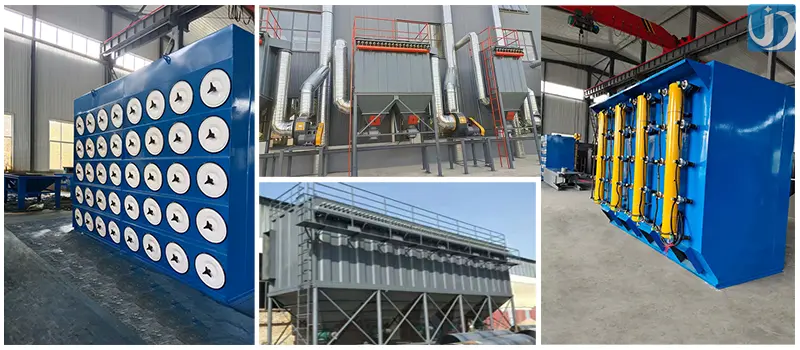
Junda Machinery's Cyclone Dust Collector at a Glance
Here are some of the best things about our cyclone dust separator for lines that do shot blasting, sandblasting, grinding, and crushing.
- Filter-free operation: This unit doesn't have any filter bags or refills. Separation uses centrifugal force, which keeps the cost of spare parts low over time and keeps media from getting destroyed or needing to be changed. Most of the time, you need to empty the ash bin and check the wear lining. The body doesn't have any parts that work.
- Wear protection for abrasive dust: The inside of the housing can be lined with a material that doesn't wear down easily so that the fine dust doesn't damage it. To sum up, the unit works well with devices that use shot blasting. The broken steel shot and mill scale scrape the walls every time the cyclone dust separator goes through. The dust you use should go with the lining you pick.
- Flexible layout and dry recovery: The small body can be connected to the elevators and separators that come before the pulse bag dust collectors, and the layout is flexible and dry recovery. The body can be placed either vertically or horizontally. Since the separated stuff stays dry, there is no sewage or sludge. After that, it can be screened and recycled with abrasives. 1500–15000 m³/h of air can be moved around.
These features address common problems like filter blindness, high prices for spare parts, and fast wall wear.
Conclusion
Before you choose a cyclone dust separator, make sure you know the right things about the process, the airflow, and the dust. The cyclone dust separator can separate particles based on size, amount of dust, moisture, and roughness. It can work by itself or before a baghouse or cartridge collector. When it comes to dust, it works best when it is coarse and dense, and its dry, centrifugal design works best above 10 microns. It works well as long as the seals are good. You should check the airflow and pressure drop in the whole duct system. For rough metal dust, it's important to protect against wear. It is easier to clean cyclone dust separators than filter-based collectors, but they don't pick up fine dust as well. Two-stage systems make up for this by taking the best parts of both types and putting them together. When these factors are matched, the filter doesn't have to work as hard, energy use stays low, and compliance goes up.
FAQ
Why is my cyclone's efficiency dropping?
Most of the time, air leaks happen in the output hopper or dust bin of the cyclone dust separator. They move the lower vortex around and push the dust back into the exhaust. First, look at the float valve and the covers.
Can a cyclone dust separator capture particles under 5 microns?
Above 10 microns is the best range for normal units. There is more fine dust that multi-cyclones or high-efficiency long cones can pick up, but they usually feed a baghouse or HEPA stage.
Does moisture affect cyclone performance?
Yes, wet dust sticks to the walls, which changes the shape inside, lowers the pressure, and makes it less efficient.
What maintenance does a cyclone need?
Not a lot. When the hopper is empty, you check for wear and make sure the discharge seal is good. This is done without any screens or moving parts inside. Get a new lining before the old one breaks through the shell.
Can Junda Machinery customize the airflow?
Yes. You can change the cyclone dust separator to fit your needs based on the supporting equipment and the amount of dust. It can handle 1500–15000 m³/h. Send us your floor plans and information about the dust to get a size.
Request a Cyclone Dust Separator Quote from Junda Machinery
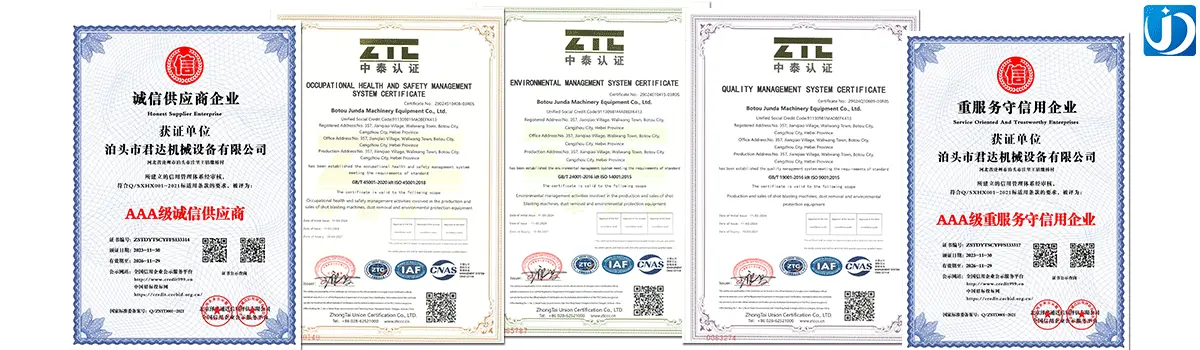
Our company, Junda Machinery, has been researching and making shot blasting tools for 20 years. We are based in Botou, Hebei. Our quality method has been approved by ISO 9001. If you need to find a cyclone dust separator manufacturer, email junda001@jundablast.com with information about the airflow, dust, and drawing. If you need standard customized equipment, it will take us about 15 days, and we can make it in 6–8 hours if you need it soon. Visit jundablast.com for details.
References
1. U.S. Environmental Protection Agency, Air Pollution Control Technology Fact Sheet: Cyclones (EPA-452/F-03-005), 2003
2. National Fire Protection Association, NFPA 652: Standard on the Fundamentals of Combustible Dust, 2019
3. American Conference of Governmental Industrial Hygienists, Industrial Ventilation: A Manual of Recommended Practice for Design, 2019
4. Occupational Safety and Health Administration, Respirable Crystalline Silica Standard, 2016
5. Cooper, C. D. and Alley, F. C., Air Pollution Control: A Design Approach (4th Edition), 2011
6. Green, D. W. and Southard, M. Z., Perry's Chemical Engineers' Handbook (9th Edition), 2018

USER EVALUATE
Real feedback and practical experience shared by worldwide partners who purchased our machinery and environmental treatment devices.