
Key Features to Look for in a High-Performance Shot Blasting Unit
A high-performance shot blasting unit has five features: a wheel layout that covers the part evenly, a cycle time that matches your line, an abrasive recycling and dust collection system, a durable enclosed body with replaceable wear parts, and open controls that connect to your PLC, robot, and conveyor. I check these first on every machine because they decide throughput, cost per part, and operator safety. Below, I explain how a unit works, which specifications matter, how it compares with other processes, and how to choose one. I also describe what we build at Junda Machinery.
Understanding the Core Working Principles of Shot Blasting Units
How a Shot Blasting Unit Removes Scale and Rust
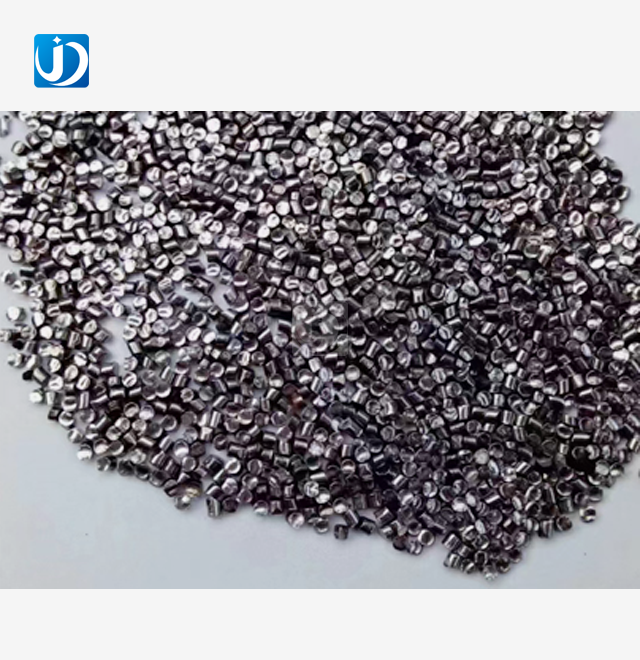
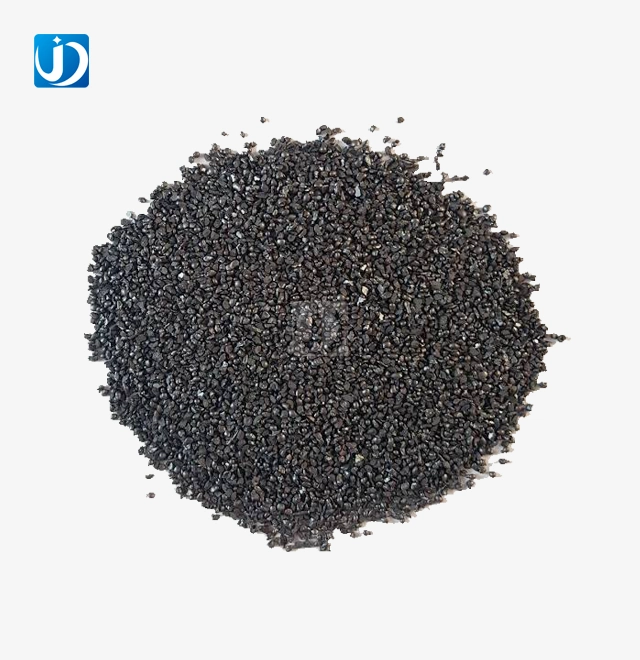
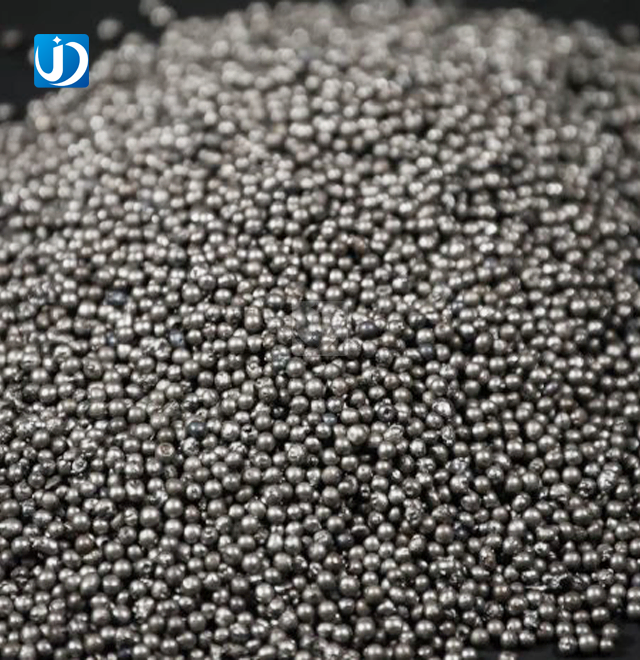
A machine called a shot blasting unit throws very rough materials at a part. A blast wheel is a shaft that is turned by a motor. When steel shot, metal chips, or cut wire fall through a control cage, they land on the blades. The stream of them then leaves the wheel. It makes the surface flat, which makes it easier for paint and plating to stick. The impact gets rid of mill scale, rust, and old coatings. When the control cage is turned, the hot spot, or place with the hottest stream, moves. Sandblasting is different because compressed air moves the material through a nozzle. After it has been used, a divider cleans it to get rid of dust and broken pieces so it can be used again.
Types of Shot Blasting Equipment and Their Applications
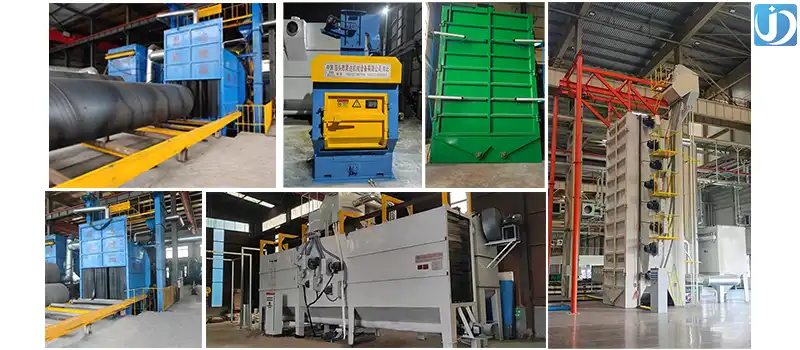
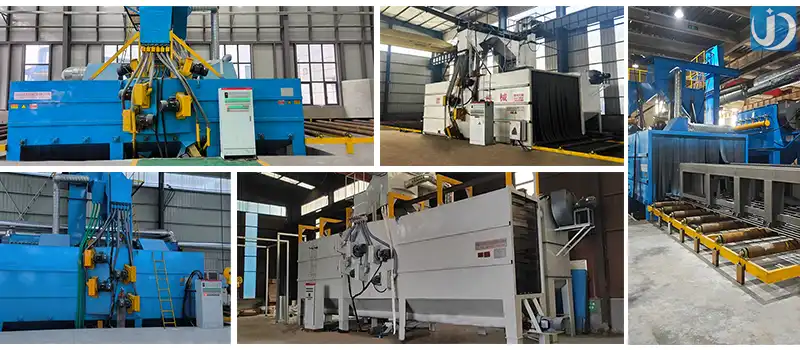
Buyers can choose from a number of different sets. Parts can be loaded into automatic machines by hanger, robot, or conveyor belt. For small amounts of parts, hand cabinets work best. Things that have wheels throw things manually, while things that have air use compressed air. A continuous machine moves parts through it without stopping. A batch machine, on the other hand, only works on one load at a time. To move plates and beams, steel companies use roller conveyors. Ships use them to move hull plates, and auto plants use them to move castings and housings with hanger, tumble, or integrated units. The unit we use for shot blasting is built right into the production lines. It has wheels on the top, sides, and bottom, and the inside of it is protected. It can work with 80 to 600 pieces an hour, depending on the part.
Standards and Safety Basics
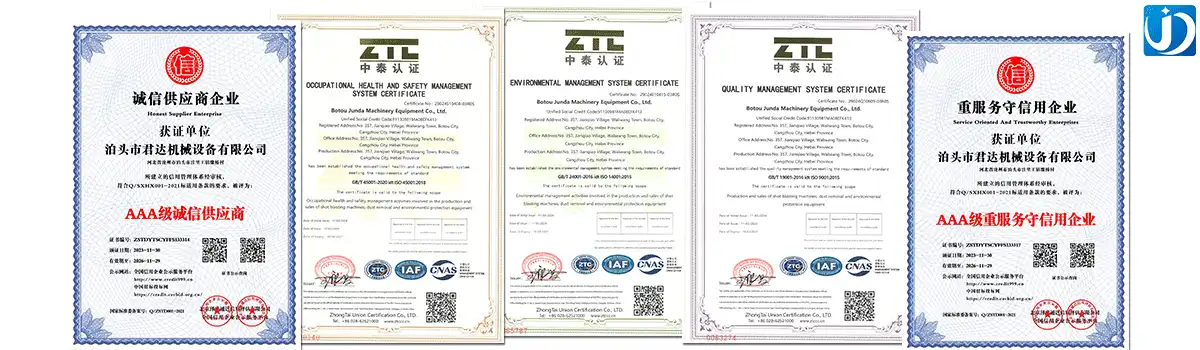
Buyers and sellers can communicate easily when there are standards in place. It is common for finishing standards to use ISO 8501-1 to talk about how clean steel is before it is painted. It is also important to have good systems. ISO 9001, ISO 14001, and ISO 45001 are all awards that Junda Machinery has won. We can also help you get CE approval if you want to ship. Make sure you get technical files, qualification files, and test results from your equipment vendor as soon as possible if you work in the auto industry and follow IATF 16949. In the US, the equipment has to be used according to OSHA rules, which cover things like noise, air flow, and protecting your lungs. The OSHA silica rule from 2016 is meant to keep workers safe from crystalline silica, which isn't found in steel shot or other metal.

Key Performance Features to Evaluate in High-Performance Shot Blasting UnitsAbrasive Recycling and Separation
How you recycle determines how much media you need to buy and how uniform your parts should look. Used shot is moved up and through an air-wash divider by a bucket elevator. Then, only files that can be used are sent back to the hopper. There is a steady mix of whole and slightly worn shot, so it stays the same from part to part. There is less effect energy and less even cleaning when there is fines buildup because of poor separation. How is the separator set up? How easy is it to get to the elevator for an inspection? What kinds of media can the system handle?
Capacity, Cycle Time, and Wheel Layout
The takt time of your line, not the number on the brochure, should tell you how many items you can hold. Each of our shot blasting units has between 7.5 and 55 kW of power and can handle between 80 and 600 pieces per hour. You need to know the size, type, and finish of the part. It's not just wheel power that matters. Wheels on the top, sides, and bottom let the stream reach more than one face at the same time. In other words, things don't need to be turned or moved around as much. It's not always better to have more power. You should test real parts to make sure they have the right range and cycle time before you buy them.
Noise, Dust Control, and Durability
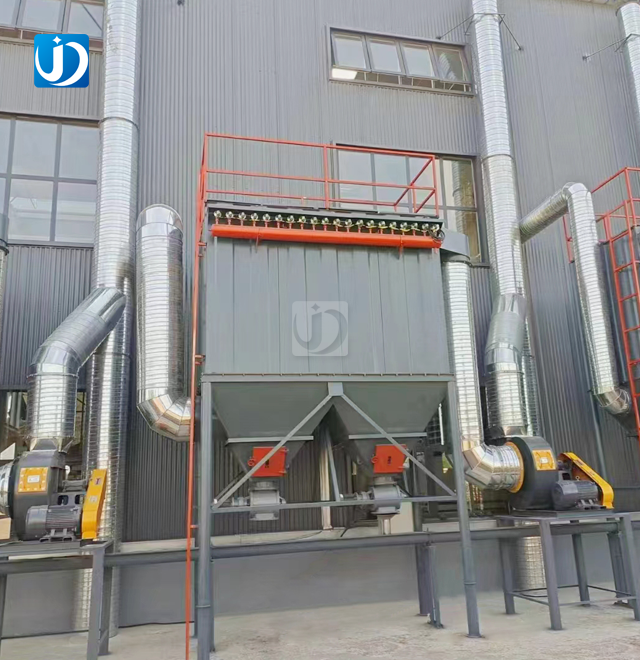
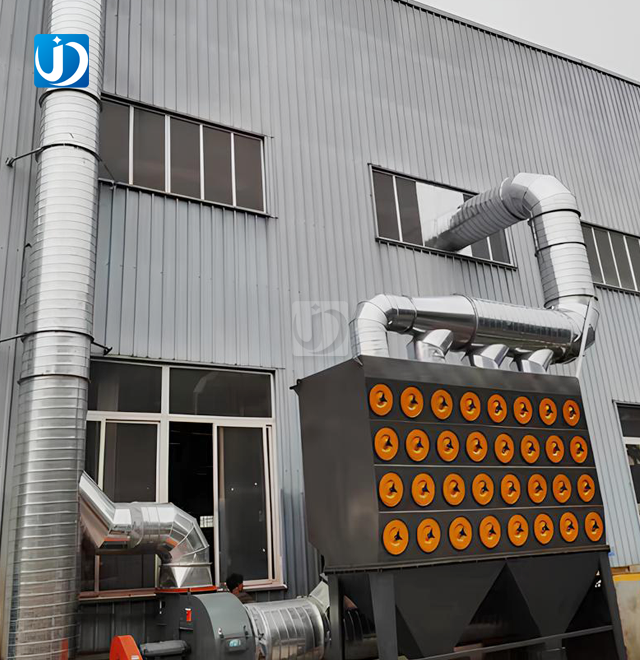
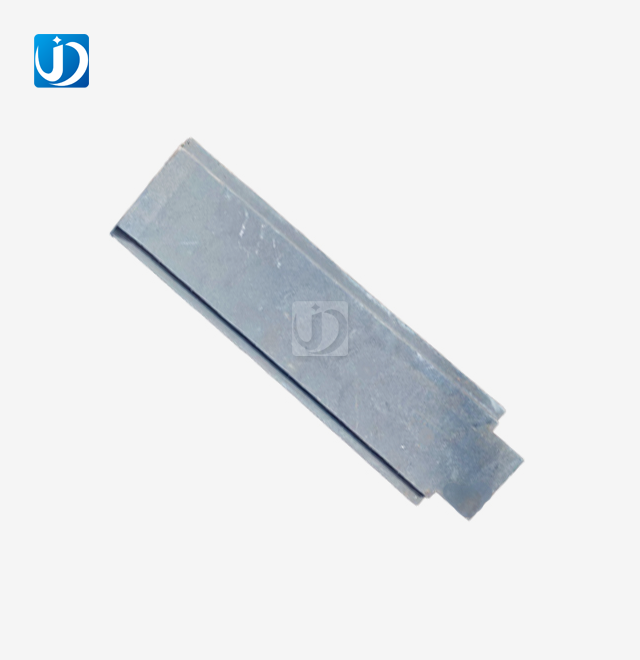
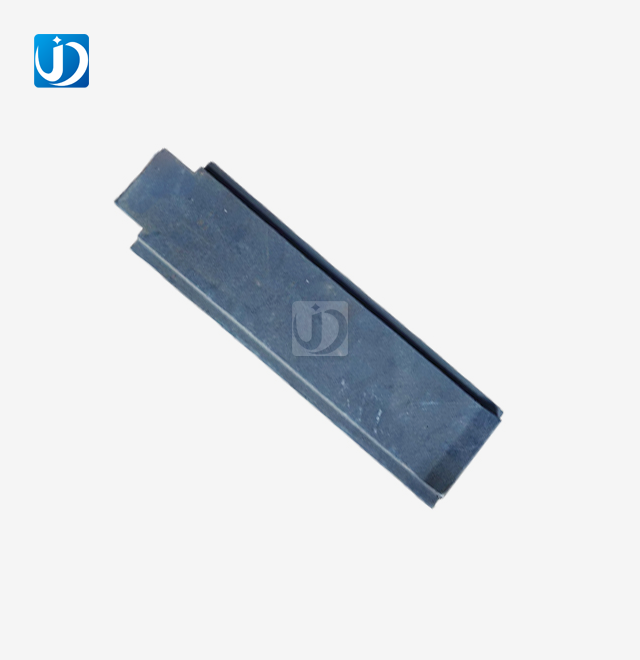
To blast is dirty and loud, so pay close attention to the container and gather. As per OSHA rules, workers can only be around 90 decibels for eight hours at a time, and they need to have a program to protect their hearing at 85 decibels. Noise stays inside when the body is closed and the doors don't open. The collection must have screens and a clear pressure reading that match the airflow of the unit. Abrasive blasting is talked about in 29 CFR 1910.94, which is OSHA's ventilation regulation. Junda Machinery also makes a way to keep track of how well dust catchers work and see how well they're doing. Look for big entry doors, wear liners that can be replaced, and blades that can be changed fast to get blades that last a long time. Abrasives come in different types, and their blades last for different amounts of time. Most blades last between 200 and 1,000 hours of use. If you want to stop the vibrations, you should change all of the blades at the same time. We've been selling original spare parts for a long time.
Comparing Shot Blasting Units: Making an Informed Decision
Shot Blasting Unit vs. Sandblasting and Shot Peening
Choose the method based on the task. There are many unique and difficult shapes that can be made with a sandblaster because the user can point the tube. The cost of work and time per part stays high, though. As long as the wheel-based shot blasting unit always gets the job done, it can be used to make bolts, housings, and supports. Surfaces last longer when shot peened because it puts compression stress on them. Experts keep an eye on the stress level and often use Almen strips to do so. A certain level of peening may be called for in the drawing. Make sure the supplier knows what you need. It is best to use a wheeled unit for tasks that need to be cleaned, descaled, or given a profile.
Cost Factors Beyond the Purchase
The purchase only costs a certain amount of money. With a new machine, you get a guarantee, up-to-date directions, and a design that works for you. It might look like a good deal to buy used machines, but they often need new wheels, frames, and controls. Also, older PLCs may not have the communication features your line needs. Read the terms of service before you order a lot of modules. Finally, add up how much it costs to change the filters, buy replacement parts, use media, power, ship, set up, and start up. A unit with wheels that last a long time and can be recycled well usually costs less per part over time. Ask the sellers to put each thing on its own in the quote.
Supplier Evaluation, Customization, and Support
A good service gives proof for what it says. It is important to make sure that the parts have ISO certificates and are CE-approved. You should also ask for test records and sample results. The people at Junda Machinery have been making tools for shot blasting for 20 years and have 7 software copyrights and 2 utility model patents. As an ODM or OEM service provider, we can help with things like machine sizes, painting, tracking software, private labels, collecting dust, and more. The time it takes to make standard customized tools is about 15 days, and the time it takes to answer questions is 6 to 8 hours. Remote installation help, commissioning, operator training, English instructions, upkeep videos, and, if needed, expert service from outside the country are all parts of the support.
Improving Operational Efficiency and Safety in Your Shot Blasting UnitMaintenance, Cleaning, and Troubleshooting
A short routine can help you avoid most breakdowns. Every day, check the door seals, read the collector pressure gage, and look for media leaks. Also, every day, empty the trash can. Once a week, check that the belt is tight and look at the blades, liners, and control cage. It's harder to throw the wheel because the drive belt slides back and forth. The lift, hinges, and separator should all be checked once a month. You can quickly spot trends if you write down times and reads. If something is giving you trouble, start with the most likely reason. A lot of the time, strong shaking is caused by blades that aren't level or are broken. It can be hard to clean if the propeller, control cage, or belt is worn out or moves around a lot. You have to turn the cage window to get the hot spot back on the part if the pattern isn't in the middle.
Safety: PPE, Guarding, and Training
What makes a machine safe? How people use it and how the machine is made are two things that matter. Users and maintenance staff should wear safety glasses, gloves, hearing protection, and safety hearing protection. When they open up dusty areas, they should also wear masks to protect their lungs. Before anyone gets inside, the wheels should be stopped by doors that are locked together. All repair work should also follow lockout/tagout procedures. Teach your staff how to turn things on and off, as well as how to do emergency stops. Do this every time the processes change. Your plant needs to keep track of the training dates so it can show that it is following OSHA rules. Dust and rough materials stay away from nearby workers because our shot blasting unit structure is secured. We also train operators and give them tips on how to keep the machine in good shape after every job.
Automation: Robots, Conveyors, and Vision Systems
Automation frees up people to do other things and starts a circle over. Our unit is connected to robots, elevators, and vision systems, so parts can move through a cell with little help from people. We change the way Profinet, EtherCAT, and Modbus PLCs talk to each other so the unit can work with the tools you already have. Make sure you have drawings of the mechanics, electricity, and air connections before you place your order. If two interfaces don't work together, it can take longer to integrate them. With our smart systems that gather data, watch the process, and plan maintenance, engineers can see how well the unit works. You can use open ODM interfaces and private labels as an integrator to add your own robots and conveyors to the module and package it.
Final Checklist: How to Choose the Best Shot Blasting Unit for Your Business Needs?
Match Features to Volume, Automation, and Environment
Start with your numbers first. Write down the types of parts, weights, hourly amount, and finish that each picture needs. Then, decide how automated you want it to be: a stand-alone unit that needs to be loaded by hand, or an integrated module that a robot or a conveyor belt can feed. Include things that are good for the environment, like noise limits, rules about dust pollution, and your power source. Junda Machinery can change a shot blasting unit so that it works with the voltage and environmental rules in a certain area. If you tell them these things, they can make a model just for you based on the amount of wheels, power, and size of the container. If you tell them more about your part, the first plan will be more accurate.
Cost versus Performance over the Machine's Lifespan
Compare the cost at the start to the projected service life and the cost to run the service. The purchase is made once a year, but the power, paper, wear parts, filters, and work are used over and over again. If there is a machine that can clean more parts per hour with less work by hand, each piece can be cheaper. In particular, this is true when it takes the place of blasting done by hand or by someone else. By controlling output and preventing dust buildup, our smart systems help lower the cost of energy and running the business. Don't just look at the equipment line when you compare bids. Think about how much each part costs, how long it's supposed to last, and how long it will be down. A simple chart that shows three to five years makes the difference clear.
A Practical Selection Checklist
If you're still not sure about your choice after reading the above, use these three checks.
- Process fit: Make sure that the model's parts and finish can fit with the way the wheels, power, and container are set up. Before you sign off on the final specs or place an order, try with real parts and write down the cycle time and coverage. Then, compare that to your line's takt time.
- Integration: If you want to put things together, you can use transmission protocols like Modbus, Profinet, or EtherCAT, as well as mechanical, electrical, or air connections. Ask the service provider to look over the robot, conveyor, and vision system plan. Also, make sure you get written proof of the interface details. This way, testing and installation will go quickly, and there won't be any problems on the shop floor or time lost making things.
- Supplier proof and support: Check the licenses, test results, training deals, and spare parts supply to see if they are real. Find out who installs it, how quickly the seller answers questions, and if English-language instructions and movies for upkeep are included. For a clear warranty and a plan for how parts or fixtures will be changed in the future, ask for them.
If the unit does well on all three tests, it will always work with your line.
Conclusion
There is more to a high-performance shot blasting unit than just its size. It's also very important that it fits the production line well. Rotating force is used in wheel blasting to clean and prepare metal. Shot peening and sandblasting don't work the same way, and their goals are different. Abrasives that can be recycled well, wheels that are the right size and shape for the job, parts that last a long time and are easy to get to are the most important parts. A fuller picture is formed when you look at overall cost, supplier paperwork, and customization options, instead of just compare buy cost. Every so often, the machines are fixed and safety training is given to the people who work on them. This keeps the machines and people who work on them safe. If you compare these points to data from real parts, you can make a choice that will last as long as the machine does.
FAQ
What is the difference between shot blasting and sandblasting?
When you use shot blasting, a spinning wheel and rotational force are used to throw metal media at it. This method works well for mass production. Being able to use compressed air that comes out of a nozzle makes sandblasting best for small details and shapes that aren't round.
How long do blast wheel blades last?
The material and the amount of work are what matter. A lot of blades can be used for 200 to 1000 hours. They will keep the wheel balanced if you put them on all at once.
What processing speed can a Junda Machinery shot blasting unit reach?
The units can make between 80 and 600 pieces an hour, based on how the wheels and parts are set up. Power ranges from 7.5 kW to 55 kW for each unit.
Does the unit work with the tools I already have?
Yes. For the PLC, we set up Profinet, EtherCAT, and Modbus transmission. The unit can now connect to robots, conveyors, and vision systems.
What support follows delivery?
Part of the support is remote installation help, setup, troubleshooting, operator training, English directions, maintenance videos, and official spare parts that will last for a long time. When help is needed, a tech from another country can be set up.
Request a High-Performance Shot Blasting Unit from Junda Machinery
With ISO 9001, 14001, and 45001 standards, Junda Machinery has been shot blasting for 20 years. You can choose between open PLC interfaces, ODM, and OEM for all of their shot blasting unit projects. If you want to find a company that makes shot blasting units, email junda001@jundablast.com with your part models, hourly volume, and control needs. Our engineers will get back to you in 6 to 8 hours. Visit jundablast.com for more details.
References
1. Shot Peening Applications, 9th Edition – Metal Improvement Company, 2005.
2. ASM Handbook, Volume 5: Surface Engineering – ASM International, 1994.
3. ISO 8501-1: Preparation of Steel Substrates Before Application of Paints and Related Products – International Organization for Standardization, 2007.
4. Occupational Exposure to Respirable Crystalline Silica, Final Rule – Occupational Safety and Health Administration, 2016.
5. Hearing Conservation (OSHA 3074) – Occupational Safety and Health Administration, 2002.
6. IATF 16949 Automotive Quality Management System Standard – International Automotive Task Force, 2016.

USER EVALUATE
Real feedback and practical experience shared by worldwide partners who purchased our machinery and environmental treatment devices.