
Mini Shot Blasting Machine for Metal Surface Preparation: A Practical Guide
If you run a small fabrication shop, hardware parts facility, or auto repair workshop, surface rust and burrs are a daily headache. A mini shot blasting machine gives you an affordable, shop-floor-friendly way to clean metal parts without outsourcing the work. These compact blast cleaners propel steel shot at speeds of 55–80 m/s to strip rust, scale, and contaminants from small castings, fasteners, mold components, and hardware parts — all in one enclosed unit. This guide walks you through how they work, how to choose one, and what to watch for when buying.
Understanding Mini Shot Blasting Machines: Principles and Benefits
How the Core Process Works
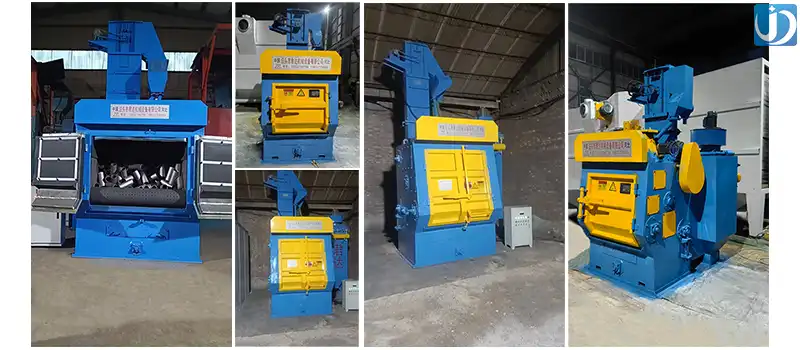
Cutting-edge steel media is sped up by a rotating blast wheel and aimed at the surface of the object. This is how a cleaner that uses shot blasting works. The mechanical effect gets rid of rust, mill scale, and extra sand without using poisons. The small units made by Junda Machinery can blast at speeds of 55 to 80 m/s, leaving a smooth Sa 2.5 surface that is good for coating and metal bonding.
Key Components That Matter
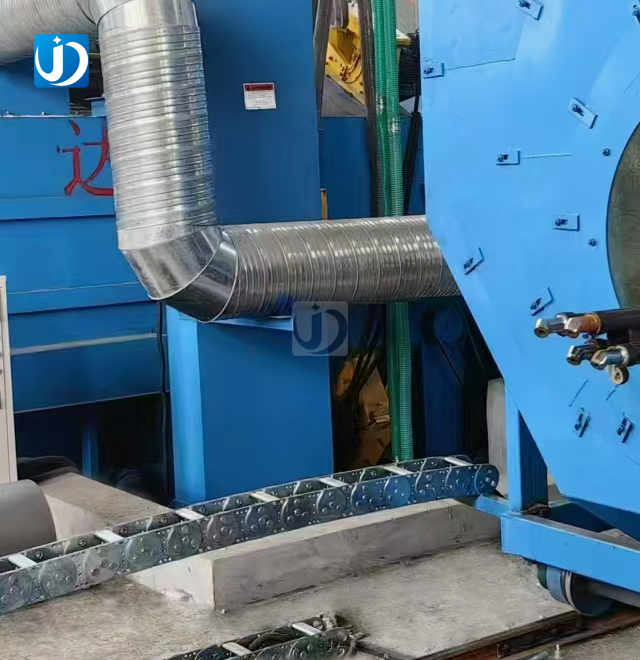
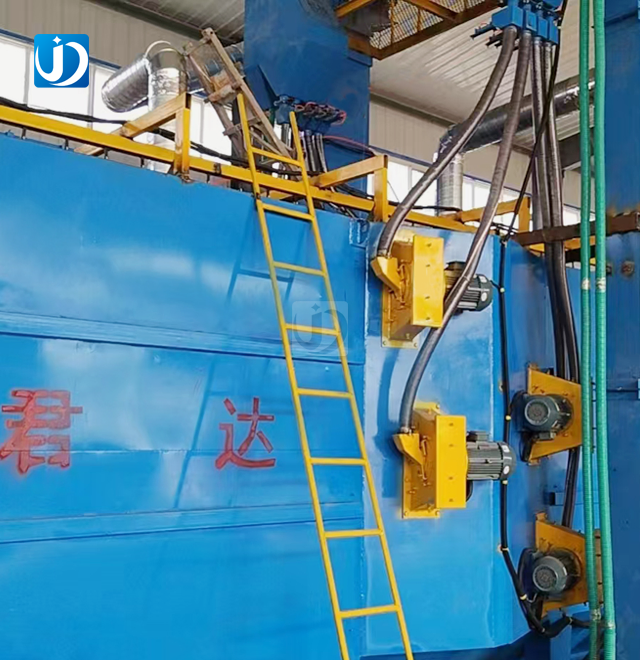
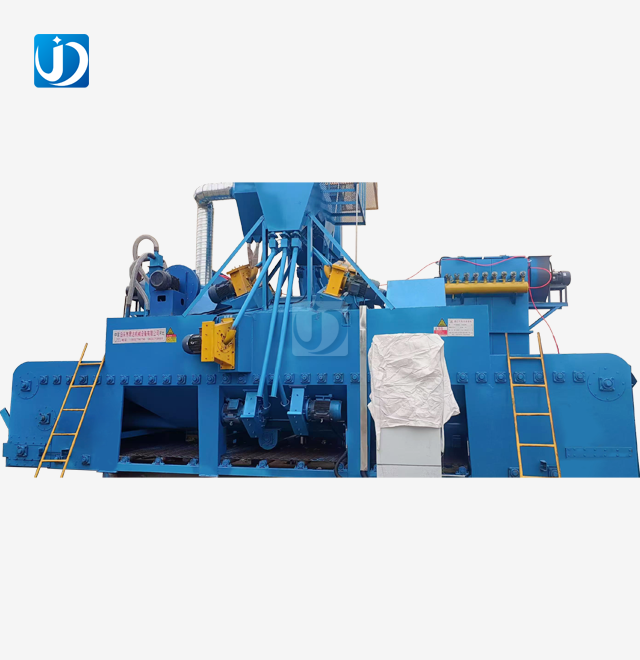
The three things that make it work are the covered container, the abrasive recovery system, and the metal blast wheel. Junda's machines have liners that don't wear out quickly because they have alloy blades and a closed-loop steel shot recovery circuit. This design keeps the amount of grit used low and stops dust and shot from escaping, which is important for small workshops inside.
Why Small Shops Choose Compact Blast Equipment?
The machine can be used in any workshop since it is sealed and quiet. It does not need a pit or any other style of base. The fixed power goes from 7.5 kW to 45 kW, so the unit can be used right away in most places with a three-phase supply. It can make between 0.3 and 5 t/h, which is the right amount of batch sizes for small shops that fix metal, fasteners, and molds.
Because of these benefits, small shot cleaning equipment is the best way for shops to start getting rid of rust without having to pay someone else to do it.
Comparing Mini Shot Blasting Machines with Other Surface Preparation MethodsShot Blasting vs. Sandblasting
Sandblasting, which is open-air abrasive blasting, blows silica dust around, is bad for your health, and makes things that aren't straight. A small shot blasting machine reuses steel media in a closed loop, makes a lot less dust, and spreads the abrasive force equally across several blast tubes that are set at different angles. Safety rules set by OSHA say that protected mechanical blasting is safer for workers' health than open silica sandblasting.
Mini Shot Blasting vs. Tumble Blasting
To move heavy loads, tumble blast machines tumble parts together. This is good for small, even pieces, but it can be dangerous for shapes that are too small or complicated. Junda's multi-angle blast layout in its mini shot blasting machine hits each item from all sides and doesn't hurt any parts that meet. This makes it a better choice for making precision mold parts, checking samples where the surface is important, and making car parts.
Manual Grinding vs. Automated Blast Cleaning
It's hard to get good results when grinding by hand because it requires a lot of work and can't really remove burrs from complex internal shapes. One person can constantly work on parts with an automated compact blasting tool. This greatly reduces the number of hours needed to work on each batch. Whether prepping is done by hand or by a machine has a direct effect on how much money shops that handle mixed small-batch sales make.
Once you know these differences, you can pick the method that works best for your parts and amounts, not just the one that costs the least.
Selecting the Right Mini Shot Blasting Machine for Your Business Needs
Match Machine Size to Your Workshop Footprint
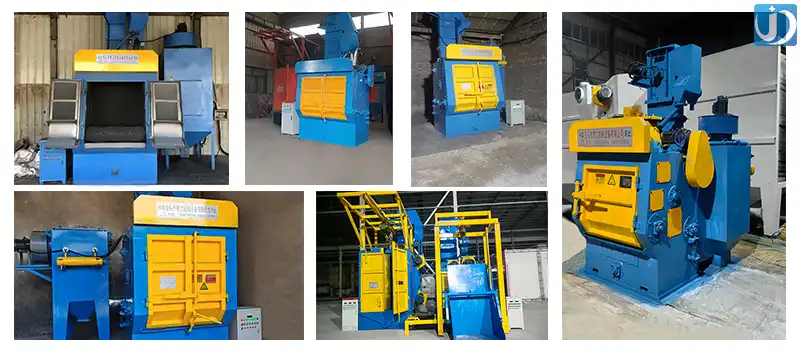
Before looking at the specs, you should make sure you have power and figure out how much floor space you have. The Junda Compact Series doesn't need to be put in a pit, and it comes in standard containers (LCL or FCL), which makes it easy to send and set up. Shop owners in Zhejiang, Guangdong, Vietnam, and Indonesia often choose this setup because the sealed enclosure can fit in a normal corner of a small workshop.
Evaluate Capacity Against Your Production Volume
They can handle between 0.3 and 5 t/h, which makes them good for small to medium-sized jobs. If your shop only works with small screws or cast parts that weigh 50–200 kg at a time, a model with less power (7.5–15 kW) should be fine. When shops take on derusting jobs from outside companies, they should look at mid-range models with extra room in case the number of orders goes up.
OEM and Customization Options
Juda can do ODM and OEM making for buyers from other countries if they need private labeling, voltage adaptation (to match local norms), or certain dust collection setups. For standard equipment, it takes about 15 days to make changes to it. This lets foreign online stores and people who sell things under their own names have a lot of freedom.
Make sure you know these main benefits before you place an order:
- Closed-loop abrasive recovery — reduces media waste and minimizes floor contamination
- Multi-layer sealing — prevents shot leakage and dust emissions in enclosed spaces
- Multi-angle blast layout — achieves 360° surface coverage on small, complex parts
- Wear-resistant alloy blades and liners — extend service intervals and reduce replacement frequency
- No pit required — direct floor placement, simple relocation if the workshop layout changes
When you use closed-loop abrasive recovery, you get rid of less media waste and floor contamination.
Maintenance, Safety, and Environmental ConsiderationsRoutine Inspection Schedule
To keep the mini shot blasting machine in good shape, you need to clean the abrasive separator filter, check the blades for wear every 200 to 300 hours of use, and measure the thickness of the liner. There are English-language operation manuals and maintenance videos that come with every Junda machine, so regular upkeep can be done by one person without the need for help from a professional.
Operator Safety Practices
Steel shot and dust are inside the fully sealed cabinet when the machine is working. It is standard for operators to always put on safety glasses and earplugs. Don't use the machine until you've turned off the power and locked it out. In small places that might not have proper safety programs, this simple step can help keep people from getting hurt.
Dust Control and Environmental Compliance
The pulse-jet dust collector used by Junda keeps the amount of dust particles released into the air well below the legal limit. The closed abrasive circuit recycles steel shot so it can be used again and again. This saves money on materials and cuts down on the amount of trash that needs to be thrown away. In parts of Vietnam, India, and the Middle East, where rules about the environment are getting stricter, shops find that this design makes it easier to follow the rules.
Procurement and Vendor Selection Guide
Evaluating Suppliers: What to Check First
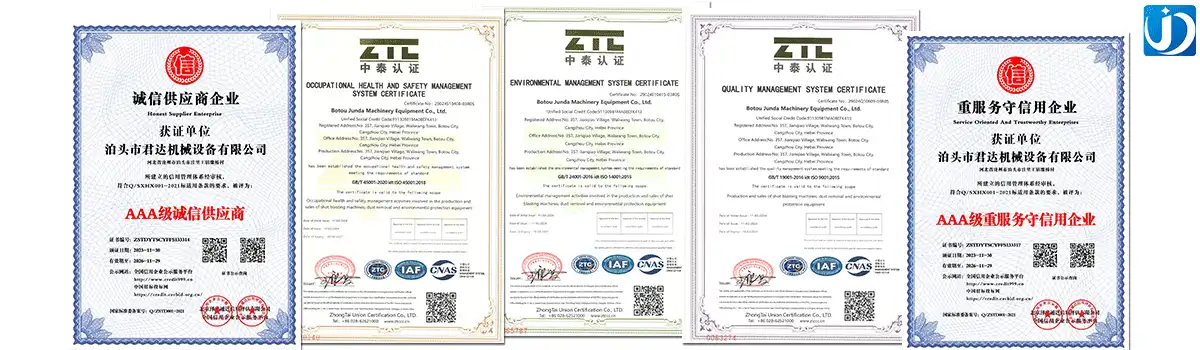
You should look for companies that have quality certifications that you can back up. ISO 9001 certifies Junda Machinery for managing quality, ISO 14001 certifies them for managing the environment, and ISO 45001 certifies them for managing health and safety at work. Full science information is given for export and customs reasons. Buyers in controlled markets can also get help with getting CE approval.
Pricing Transparency and After-Sales Commitment
A reputable mini shot blasting machine seller gives clear quotes, guarantee terms, and a clear path for getting extra parts. Within 6–8 hours, Junda responds to customer questions and keeps blades, cases, and locks in stock to make sure there is a steady supply over the long term. This is very important for small shops that can't stay closed for long while they wait for parts to arrive from overseas.
Requesting a Sample Test Before Committing
They want to make sure the machine works on their own parts before they pay for it in full. Send test files to Junda so it can do a test blast run. Before you buy it, you can safely check with a test video and surface report. You'll also find out which model setup works best for your part type and batch size in this step.
Conclusion
It's simple and useful for small shops to get their own mini shot blasting machine if they want to prepare metal surfaces ourselves. Because it is closed off, easy to use, and has closed-loop abrasive recovery, it can be used in small areas with few people. It is important to buy from a company that stands behind their goods with clear directions, fast delivery of extra parts, and honest technical support. Also, make sure that the machine's size and setup are right for your parts and batch sizes. That sounds like Junda Machinery. It comes from a factory that has been making things for 20 years and can prove it.
FAQ
What abrasive media does a compact shot blasting machine use?
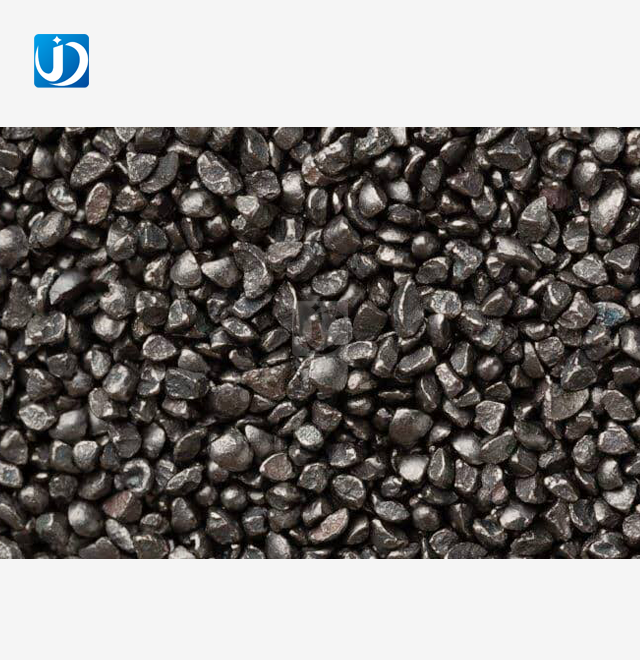
If you want to change the surface shape, most small blasting tools use steel grit or steel shot in the S110–S330 range. Steel shot can be used to make a smooth, pounded surface that can be painted or plated. While steel grit makes an anchor profile that is smoother, it is better for heavy coatings. The closed-loop recovery device made by Junda works with standard steel media that can be bought from American sources in most places.
How often does the machine need maintenance?
Checking the blades and liners every 200 to 300 hours can fix most problems that happen because of wear. Harsh divider screens need to be cleaned every 50 to 80 hours of use in places with a lot of dust. It is possible for one trained person to do these jobs without having to call outside help. The fix video and English directions make it possible.
Can the machine handle different part materials?
Yes. You can change the blast intensity (wheel speed and media size) for parts made of mild steel, tool steel, and aluminum alloy. Use slower speeds and smaller media on metal to keep the surface from warping.
Can this equipment integrate into a small production line?
You can set up one of Junda's small blast cleaners as a stand-alone station and feed it with a hand belt or a simple roller table. You can add a fully automated line and make it your own. Talk to the Junda tech team about your plan before you place your order.
Get a Custom Quote from Junda Machinery — Mini Shot Blasting Machine Supplier
In Botou, Hebei, Junda Machinery has been making shot blasting gear for 20 years. Botou has been making casting machines for a very long time. If you want to derust things at home, you might need a standard compact mini shot blasting machine. If you want to make and sell your own brand of small shot blasting machines, our engineers can help you pick the right size and set-up for your shop. Email us at junda001@jundablast.com or visit jundablast.com to get a free sample test and quote.
References
1. Society for Protective Coatings (SSPC). Surface Preparation Standards: SSPC-SP 5, SP 10, SP 6. SSPC, 2020.
2. OSHA. Occupational Exposure to Respirable Crystalline Silica — Final Rule. U.S. Department of Labor, 2016.
3. ISO. ISO 8501-1: Preparation of Steel Substrates Before Application of Paints and Related Products. International Organization for Standardization, 2007.
4. Nachtman, E. S., & Kalpakjian, S. Lubricants and Lubrication in Metalworking Operations. Marcel Dekker, 1985.
5. TWI Global. Guide to Abrasive Blasting Media and Methods. The Welding Institute, 2022.
6. American Society for Metals. ASM Handbook, Volume 5: Surface Engineering. ASM International, 1994.

USER EVALUATE
Real feedback and practical experience shared by worldwide partners who purchased our machinery and environmental treatment devices.