
Pipe Air Blasting Machine: Applications, Features, and Uses
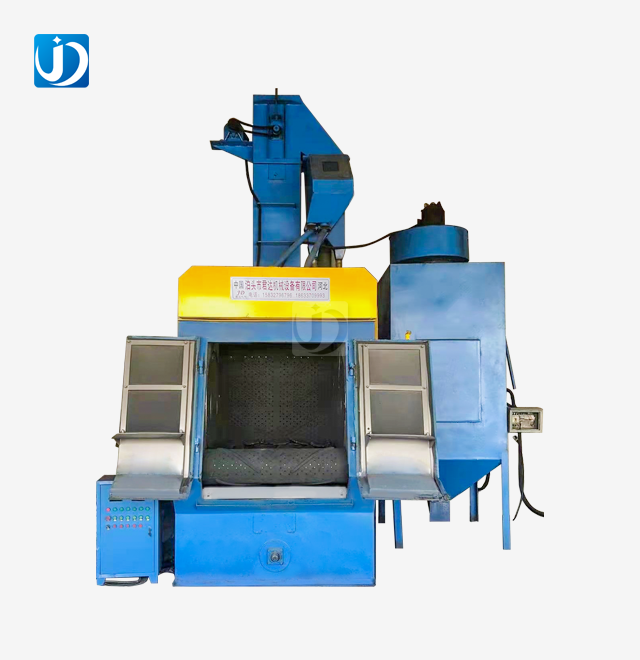
A pipe air blasting machine is industrial surface preparation equipment designed to clean, descale, and profile metal pipe surfaces before coating or galvanizing. Using high-velocity abrasive media propelled by centrifugal blast wheels or compressed air, these machines achieve cleanliness levels up to Sa 2.5 or Sa 3.0 per ISO 8501-1 standards. They process seamless steel pipes, oil and gas transmission lines, scaffold tubes, and chemical pipes with consistent results. For contractors and pipe manufacturers who need inspection-ready surfaces on every single run, this equipment replaces unreliable manual sandblasting with a repeatable, automated process.
Understanding Pipe Air Blasting Machines: Principles and Features
How the Machine Works
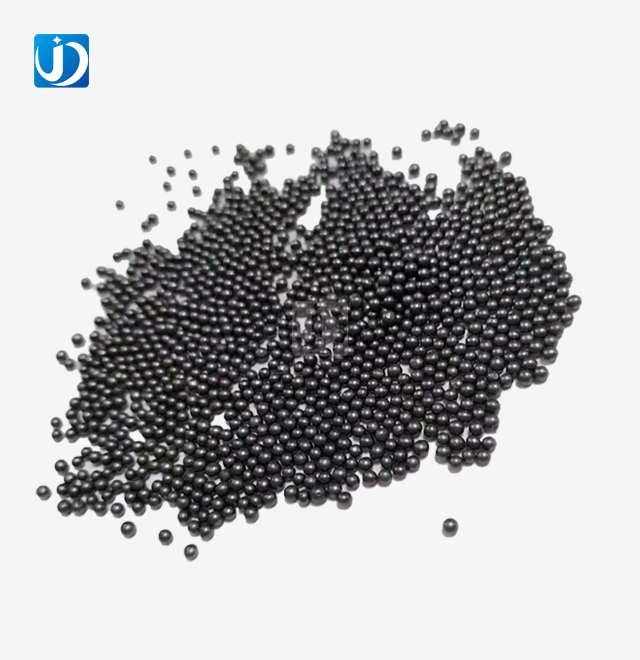
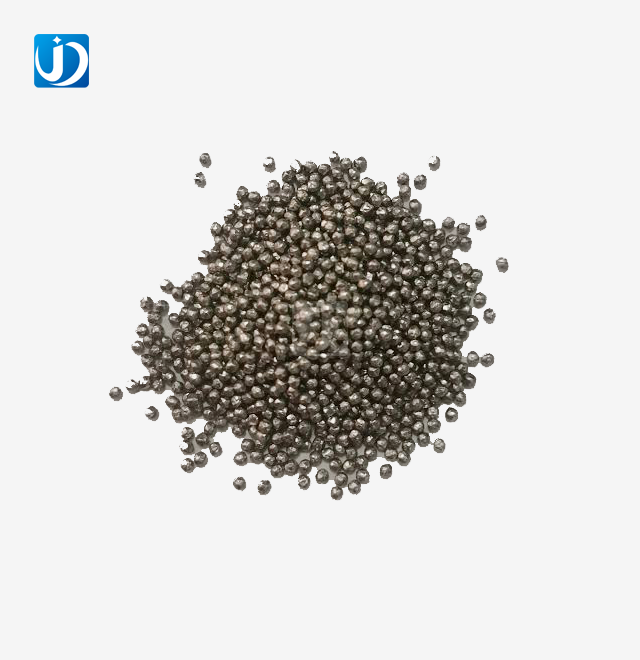
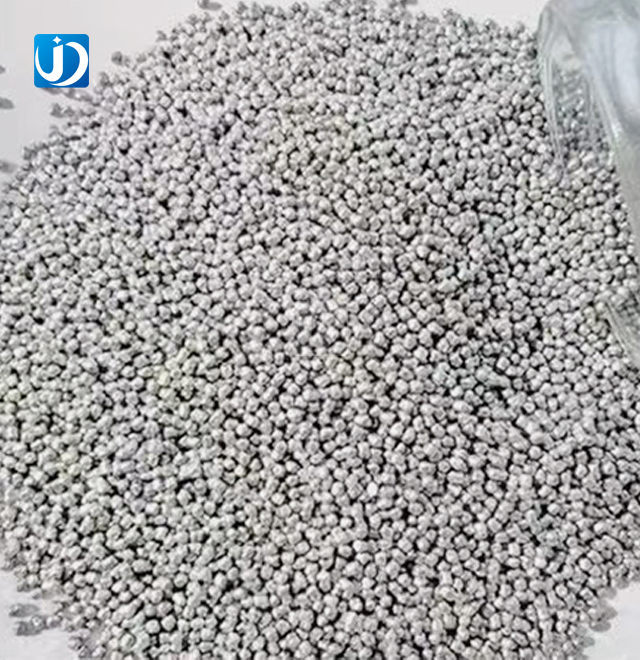
The main idea behind how it works is simple to grasp. The steel pipes are put on V-shaped rollers that spin. As they move each pipe through the blast chamber, these rollers spin it around its own axis. There is a ring of blast wheels at different angles around the pipe that keep throwing S330 or S390 steel shot at the surface. With this wrap-around layout, you can get rid of shadows and cover the whole area evenly in one pass.
Manual vs. Automatic and Machine Configurations
People who work with manual systems have to set the feed speed and wheel directly, which is good for test or low-volume jobs. Heavy-duty machines with VFD (Variable Frequency Drive) conveyor controls can change the pipe's speed to get the right blast strength for the type of rust in the material that is going in. The power of a blast wheel can be anywhere from 7.5 kW to 75 kW, based on the size of the pipe and how much it needs to move. Pipe lengths range from 20 mm to 3000 mm, and different model setups can handle them all.
Key Control and Automation Features
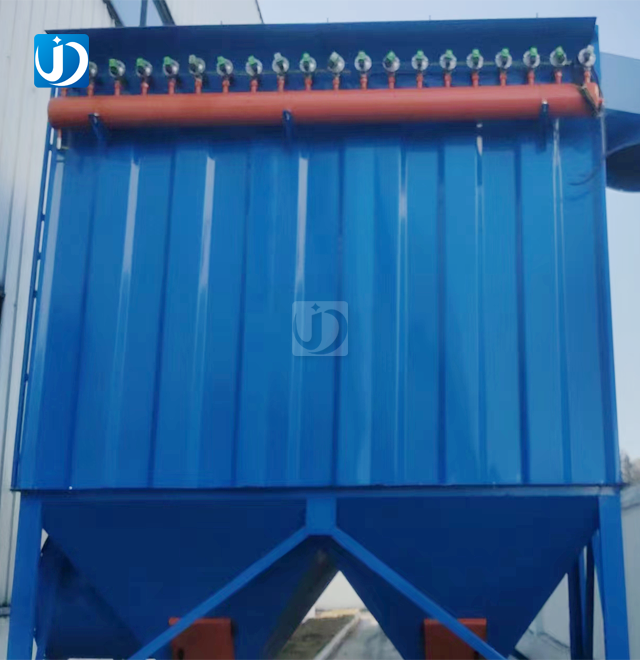
These days, pipe blasting machines have PLC-based control screens with touch screens that let workers save and load settings that were made for different pipe types. Wear-resistant liners made of high-chromium (HRC ≥ 60) protect the inside of the blast chamber. The recycling system stays clean because it separates 99% of the abrasive dust. It is acceptable for dust extraction systems with multi-stage pulse-jet cartridge filters to pollute the air with less than 20 mg/m³ of particulate matter.
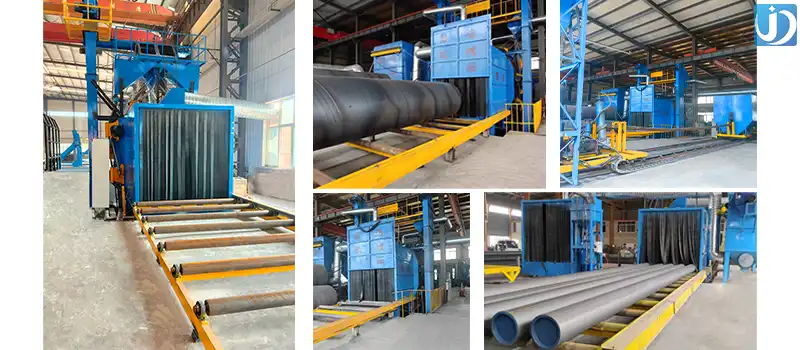
Applications and Benefits of Pipe Air Blasting MachinesWhere These Machines Are Used
No matter what field it's used in, pipe blast cleaning tools always needs one thing: the surface has to be in a certain, measured state before any security is put on it. These are the main areas where it's useful:
- Oil and gas pipelines: Pre-treatment before FBE (fusion-bonded epoxy), 3LPE, and anti-corrosion wrapping coatings, where Sa 2.5 cleanliness and a specific anchor profile are non-negotiable for inspection sign-off.
- Chemical and industrial piping: Carbon steel and metal pipes used in factories and chemical plants need to be completely descaled with a pipe air blasting machine before they are lined.
- Scaffold tube refurbishment: Rental companies process high volumes of returned scaffold tubes, removing rust and mill scale before re-galvanizing or repainting.
- Structural steel pipes: Construction and infrastructure projects depend on pre-treated pipe to meet coating adhesion specifications for bridges, buildings, and water infrastructure.
Benefits Over Traditional Surface Preparation Methods
The costs of getting ready for the blasting change a lot if you move from chemical cleaning or hand-held pressure blasting to an automatic pipe blasting line. These are the main reasons why this kind of gear is useful:
- Consistent cleanliness grades: Automated blast wheel control delivers repeatable Sa 2.5 results across every pipe in a batch, reducing inspector rejections and costly rework cycles.
- Reduced labor dependency: One operator can oversee a full production line rather than a crew of manual blasters, cutting labor costs while removing workers from direct dust exposure.
- Integrated dust control: Built-in dust collection systems capture abrasive-laden air at the source, keeping the workspace compliant with occupational health standards and local emission regulations.
- Abrasive recovery and reuse: Mechanical separation and elevator systems return clean shot back to the blast wheels, lowering abrasive consumption costs per meter of pipe processed.
Comparison and Selection Guide for Pipe Air Blasting Machines
Air Blasting vs. Sandblasting: Key Differences
Usually, compressed air is used to push abrasive through a movable tube. Users have direct control over this, but it limits output and creates a lot of danger from silica dust. A centrifugal-wheel pipe blasting machine, on the other hand, always works on pipes with motorized throwing wheels. It uses much less compressed air and keeps the abrasive circuit closed. We always use the wheel-based method because it costs less when we make more than a dozen pipes in a shift.
Selection Criteria for Procurement
When choosing the right machine, there are a lot of technical and useful things to think about. The first things to look at are the pipe diameter range and the longest pipe length that can be used. Some models are longer so they can fit pipes up to 12 meters long, which is useful for oil and gas line pipe. What kind of material you have will affect which abrasive you use. To get the right anchor profile depth, steel shot is often used on carbon steel pipes, but steel grit may be needed on harder metal pipes. You should have the right amount of automation for the number of workers and shifts you have. The factors at the job spot will determine which dust cleaning standard is needed.
Warranty and After-Sales Considerations
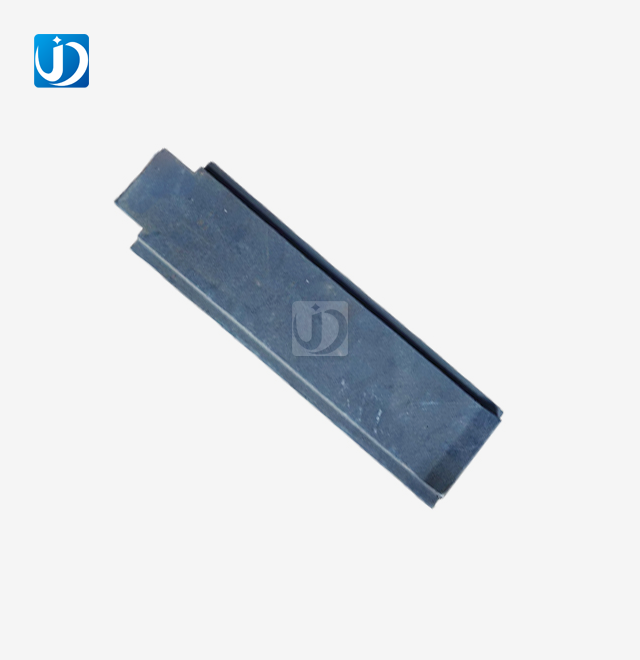
Blast wheel blades are made of a high-chromium metal that makes them last between 500 and 800 hours of usual use. People who are buying something should make sure that the company that made it can replace worn-out original parts directly and offer remote diagnostic support. As you shop around, it's important to make sure that the warranties cover the whole machine, not just certain parts.
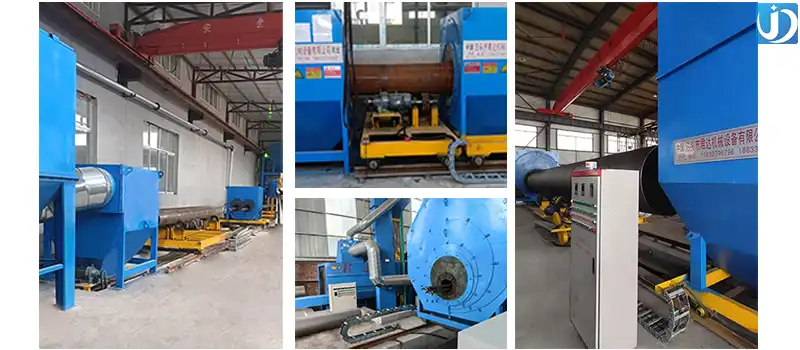
Maintenance, Troubleshooting, and Safety ProtocolsRoutine Maintenance Schedule
Regular maintenance keeps a pipe air blasting machine line going so it doesn't have to stop for no reason. There should be checks on the abrasive divider, the blast wheel blades, and the cases every shift. As long as the manufacturer's instructions are followed, the rollers and drive chains on a conveyor should be oiled once a week. It's important to keep an eye on the abrasive media's quality because broken-down shot makes more dust and the surface profile is less even. Wear plates, blades, and V-roller bearings that are kept on hand as a backup keep work from stopping.
Common Troubleshooting Issues
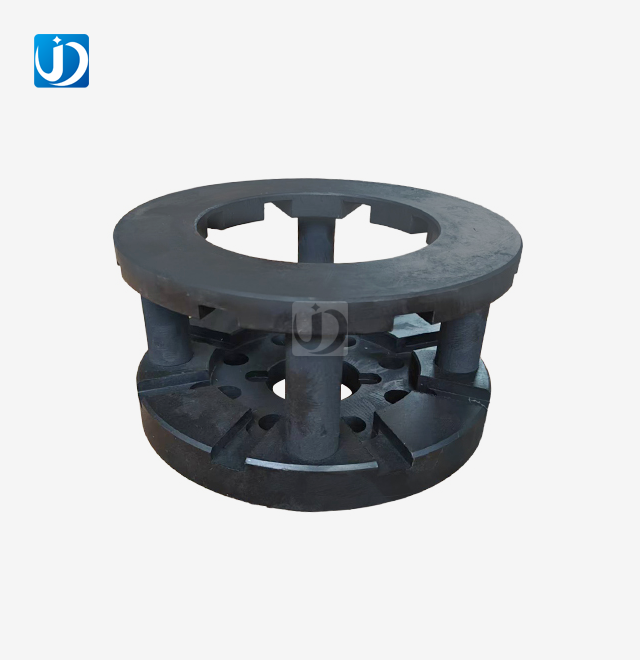
More often than not, uneven cleaning on the pipe's surface is due to the "hot spot" setting being off or the blast wheel's worn-out rollers and an incorrectly set directing cage. The dynamic balance of the blast wheel should be checked right away if the machine is shaking a lot. When there is a mismatch, bearing wear and structural stress happen faster. When dust extraction slows down, it's generally because the filter cartridge is clogged and needs to be swapped out for a pulse jet or cleaned.
Operator Safety Standards
People who work near blast shelters need to make sure they have the right safety glasses, ears, and respirators for steel dust. So that the wheel motors can't work when the doors to the blast chamber are open, they should be locked. Safety standards stay up to date and the risk of an accident goes down when operators are trained regularly on how to start up equipment, stop it in an emergency, and handle rough materials.
Procurement and After-Sales Support: How to Buy and Work with Trusted Suppliers?
Evaluating a Pipe Blasting Machine Supplier
If you want to buy a pipe air blasting machine, the first thing you should do is look at their credentials. A business with proof of ISO 9001, ISO 14001, and CE compliance has quality and environmental management systems that have been checked. Before you agree to the terms of payment, make sure you get pre-shipment test records that show the hardness of the internal liner and the results of a 24-hour dry run. It is helpful to see video proof of a machine moving pipes in the width range you want. This takes away a lot of the guessing in the buying process.
Logistics and Global Shipping
Depending on how big the machine is, pipe blasting gear can be shipped in either full containers or containers that aren't quite full. Longer types that can handle 12-meter pipes need to be carefully packed and stopped so that they don't get broken during shipping. Most of the time, a reputable manufacturer will take care of the fumigation certification, export paperwork, and certificate of origin as part of the shipping package.
After-Sales Technical Support
For equipment to work well for a long time, it's important to have three things: remote starting help, user training materials in the buyer's working language, and always having spare parts available. It's easier to hire people from other countries when makers offer operation instructions and video training materials in English.
Conclusion
With a pipe air blasting machine, getting something ready for review is no longer a dangerous job but a controlled process that can be done over and over again. A 360° blast coverage, Sa 2.5-grade cleanliness, integrated dust control, and abrasive recovery are some of the benefits of automatic pipe blasting over human methods. Because of this, it is better for jobs like pre-treating oil and gas pipelines, fixing up scaffold tubes, or getting structural pipe coating ready. Picking the right supplier is just as important as picking the right machine. A good supplier will have certifications that can be checked, proof of quality control, and real support after the sale.
FAQ
What cleanliness level does a pipe blasting machine consistently reach?
As a standard, ISO 8501-1 says that centrifugal-wheel pipe blasting machines can reach Sa 2.5 when they are set up correctly. To get to Sa 3.0, change the blast strength and slow down the pipe's travel speed. A digital roughness gage and visual comparison plates are used to keep track of both levels so that inspectors can sign off on them.
Can the machine process both internal and external pipe surfaces?
The main job of a rotating-roller blast line is to work on the outside of a surface. You need either a separate internal blast lance or a hydraulic/pneumatic internal blasting system to work on the inside of a wall. You can buy these as extras for pipes with certain diameters.
How do I choose the right abrasive for my pipe material?
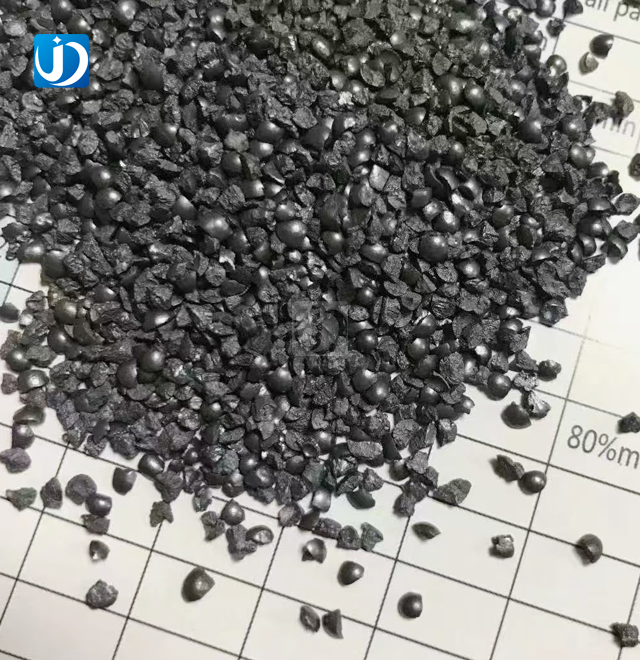
The right base shape for general descale of carbon steel pipes is made of S330 or S390 steel shot. If you add steel grit to a mix that needs a stronger anchor profile, the surface gets rougher (Rz value). Grit-only blasting is used to make surfaces as rough as possible.
What causes uneven blast patterns across the pipe surface?
The most common reason is that the blast wheel's directing cage is not in the right place, which sends the stream of abrasive material away from the target. Wrong coverage can also be caused by worn V-rollers that make the pipe turn in an uneven way. You don't have to take too much time off to fix either problem by making changes to the machinery.
What is the typical blast wheel blade service life?
It can be used normally for 500 to 800 hours before it needs to be replaced. The blades are made of high-chromium metal. If you check the surface finish and the level of vibration, you can tell early on when blade wear starts to lower the quality of the output.
Get a Custom Pipe Blasting Solution from Junda Machinery
Junda Machinery is a Botou, Hebei-based business that has been making pipe air blasting machines for 20 years for builders, pipe mills, and pipeline coating companies all over the world. Every machine has quality records that have been checked to make sure they are safe. It is certified by ISO 9001, ISO 14001, and ISO 45001, and all of the necessary paperwork is in order for CE use. To get the right pipe air blasting machine for your job, just let us know what range of pipe sizes you need, how long the pipes are, and how clean you want them to be. Please email our team at junda001@jundablast.com or visit jundablast.com for more information about how it works.
References
1. ISO 8501-1:2007 — Preparation of Steel Substrates Before Application of Paints and Related Products: Visual Assessment of Surface Cleanliness. International Organization for Standardization, 2007.
2. SSPC-SP 10 / NACE No. 2 — Near-White Metal Blast Cleaning. Society for Protective Coatings / NACE International, 2020.
3. Surface Preparation Standards for Painting Steel Structures. NACE International, Corrosion Technology Series, 2018.
4. Keane, J. D., et al. — Good Painting Practice: SSPC Painting Manual, Volume 1. Society for Protective Coatings, 4th Edition, 2004.
5. Abrasive Blasting for the Protection of Steel. Zinc Institute / American Galvanizers Association Technical Report, 2019.
6. Thermal Spray Coatings on Carbon and Low-Alloy Steels: Surface Preparation and Application. AWS C2.23M/C2.23, American Welding Society, 2003.

USER EVALUATE
Real feedback and practical experience shared by worldwide partners who purchased our machinery and environmental treatment devices.