
Shot Blasting Unit vs. Sandblasting: What Are the Key Differences?
If you work in metal fabrication, automotive parts manufacturing, or industrial surface preparation, you have probably faced this question: should we use a shot blasting unit or go with sandblasting? Both methods clean and prepare surfaces, but they work differently and suit different production needs. A shot blasting unit uses high-speed centrifugal wheels to propel metallic media—like steel shot or grit—against a workpiece through mechanical force. Sandblasting pushes abrasive media through compressed air. Knowing which one fits your line can directly affect throughput, part quality, and operating cost.
Understanding Shot Blasting and Sandblasting: A General Overview
How Shot Blasting Works
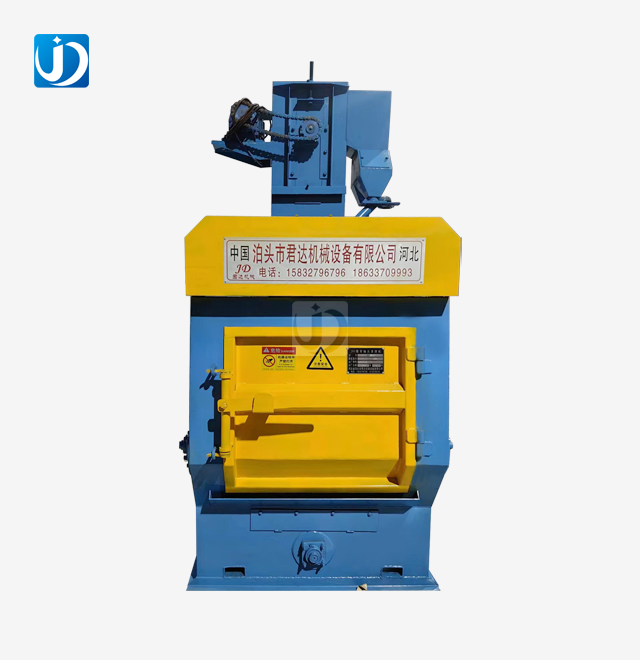
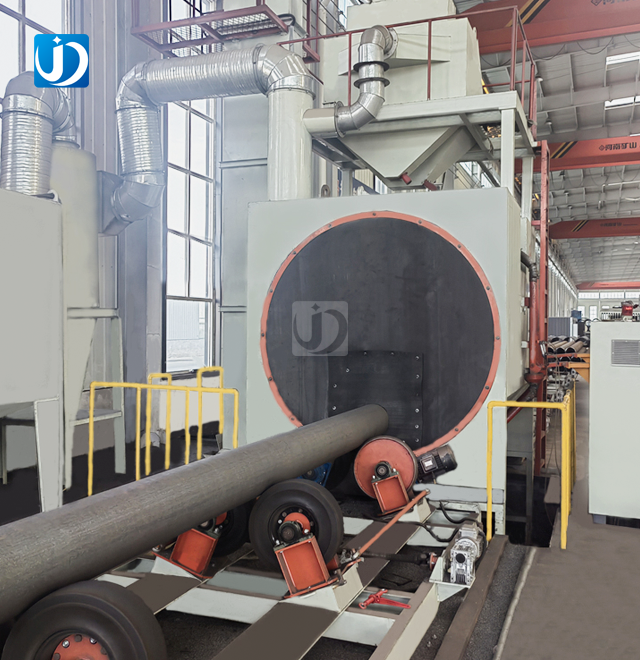
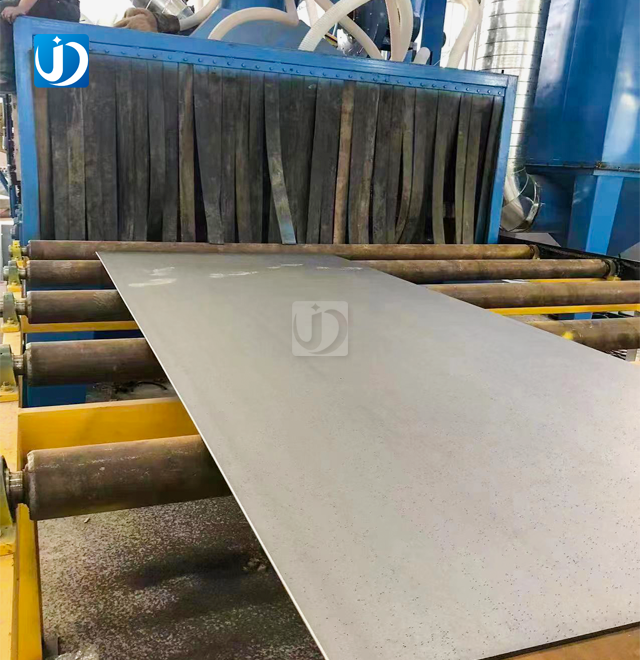
There is a shot blasting unit that moves steel shot, cut wire, or grit through a high-speed turbine wheel that spins at about 2,500 to 3,000 RPM. Media are thrown at the workpiece at speeds of 60 to 80 m/s by the centrifugal force. The enclosed chamber collects media to be recycled. This keeps dust levels low and media use low. This mechanical impact gets rid of mill scale, rust, and casting sand, leaving a flat anchor profile on the surface.
How Sandblasting Works
Abrasive blasting, which is another name for sandblasting, uses compressed air to push materials quickly through a tube and onto the area you want to work on. Depending on the finish they need, operators can use garnet, glass beads, silica sand, or aluminum oxide. The method is adaptable and movable, which makes it useful for repair work in the field or on surfaces that aren't smooth enough for an enclosed room.
Key Operational Differences at a Glance
Surface preparation is the same goal for both methods, but how they work is different in a way that affects every decision that comes after, from the size of the equipment needed to make sure it meets regulations. It is possible to do shot blasting more than once. The sandblasting process is open-loop and flexible. Figuring out this difference is the first thing that needs to be done for any serious procurement evaluation.
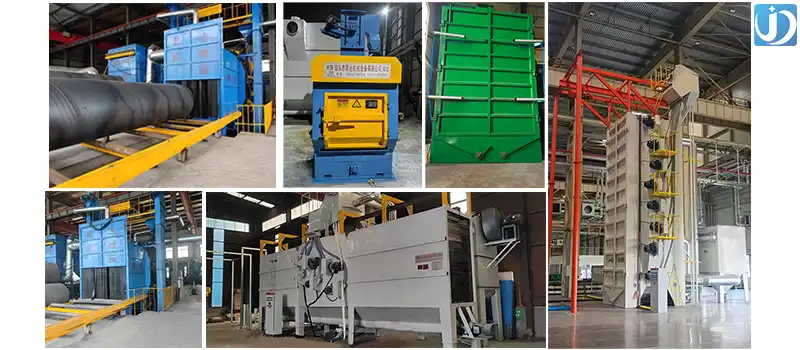
Technical Comparison of Shot Blasting Units and Sandblasting MachinesSurface Finish Quality and Speed
Shot blasting makes the surface shape very regular. SSPC (Society for Protective Coatings) guidelines say that automated shot blast systems can usually get finishes of Sa 2.5 or Sa 3.0 at throughput rates of 80 to 600 parts per hour, based on how the modules are set up. Sandblasting can get to the same level of cleanliness, but the level of consistency depends a lot on how skilled the operator is and how the nozzle is angled. When a lot of cars or fasteners need to be made, shot blasting is the most reliable method.
Dust Control and Environmental Compliance
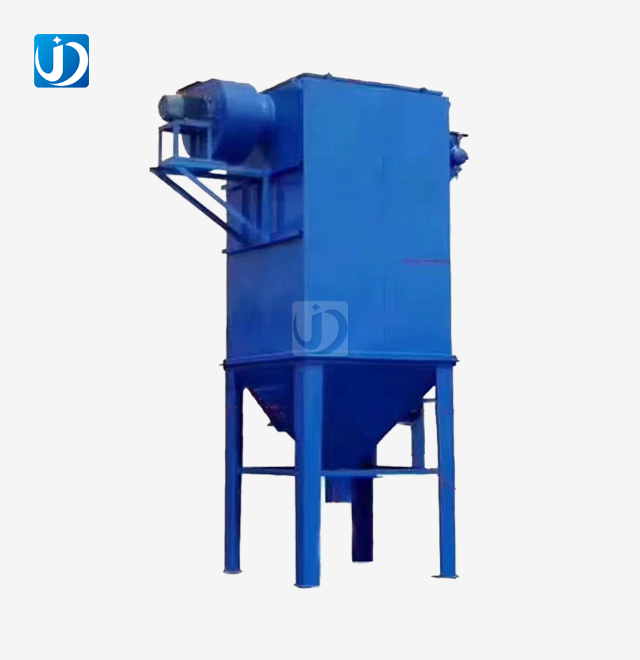
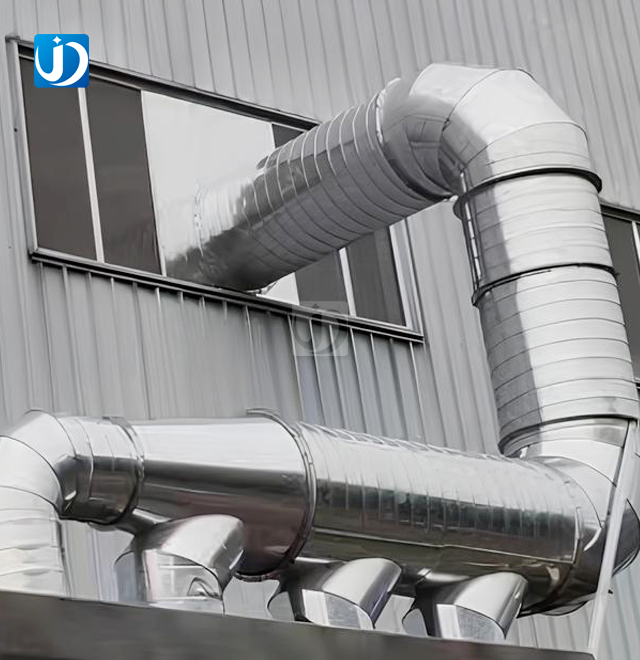
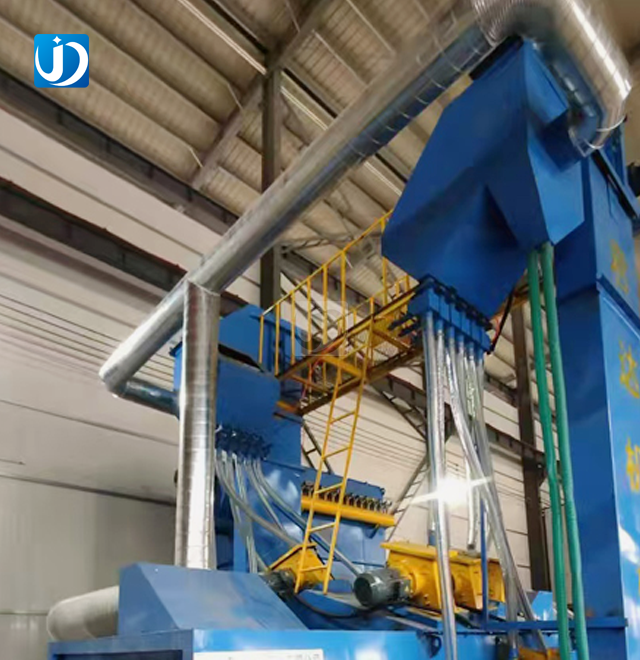
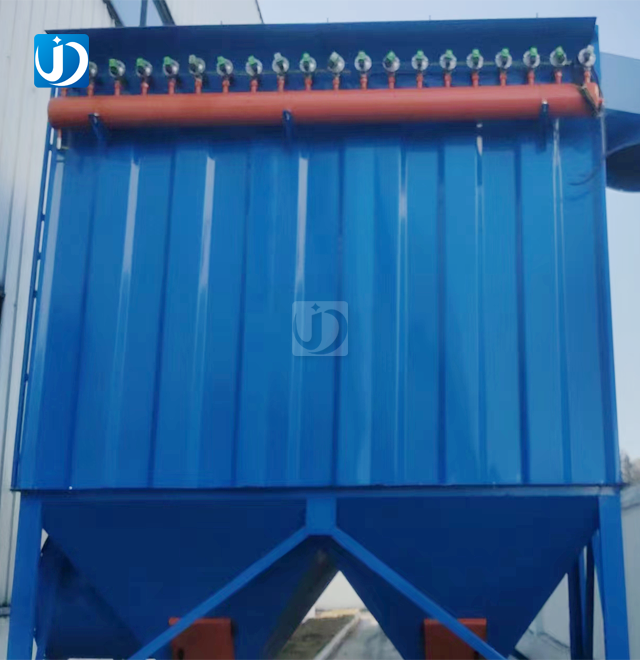
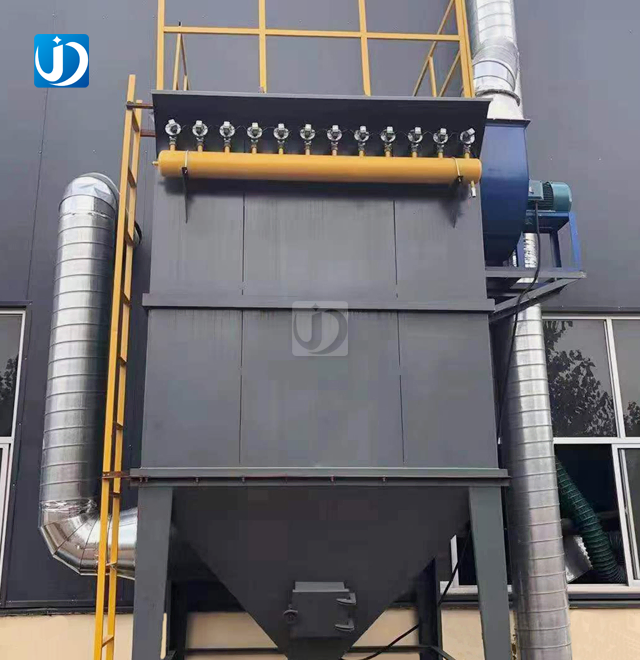
Shot blasting units have built-in dust collectors that collect particles in the air inside the blast chamber. The system recycles media that can be used again and separates fine dust into a bag or cartridge filter for collection. This closed-circuit design keeps the air quality in the workplace below the annoying dust levels allowed by OSHA. In the past, sandblasting, especially with silica sand, has been very bad for your health. In the United States, OSHA and NIOSH have strict rules about crystalline silica that can be breathed in (29 CFR 1910.1053). Sandblasting outside needs full respiratory protection and control means.
Automation and Integration
Profinet, EtherCAT, and Modbus are some of the PLC communication protocols that can be used with modern shot blasting equipment. It is easy to connect a blast module to a vision screening system, a robotic arm, or a conveyor line because of this. Sandblasting tools, on the other hand, are mostly operated by hand or with some automation, which means they can't be used in fully automated production lines.
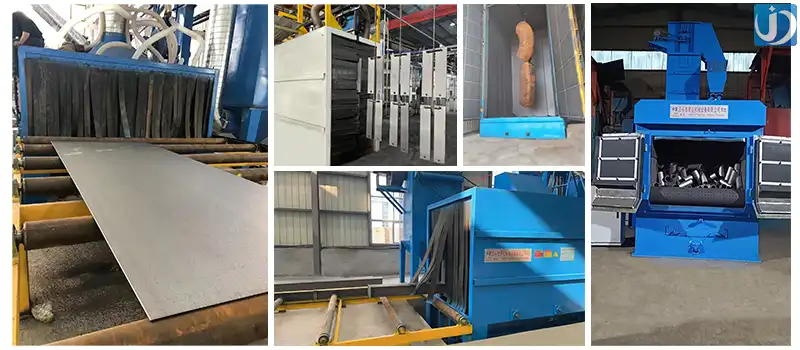
Benefits and Limitations for Global B2B ProcurementWhere Shot Blasting Leads
When accuracy is important and there are a lot of things to do, shot blasting is the best method. B2B buyers are interested in it because of these main strengths:
- Throughput consistency: A modular shot blasting unit handles 80–600 parts per hour with repeatable surface profiles, reducing downstream rejection rates.
- Lower media cost per cycle: Steel shot is recycled through the separator system, so media cost per part drops sharply compared to single-use abrasives in sandblasting.
- Production line compatibility: With open PLC interfaces, a shot blasting module integrates into existing conveyor or robotic systems without redesigning the production floor.
These strengths fix the problems that Tier-1 and Tier-2 auto parts plants have the most, like inconsistent surface prep, relying too much on labor, and slow lines.
Where Sandblasting Still Makes Sense
Sandblasting is still useful in some situations. Small shops and one-time restoration jobs can do it because the equipment is less expensive. Because it is portable, it can be used on big structures like bridges, ship hulls, or storage tanks, where it would not be possible to bring parts to a blast chamber. The versatility of sandblasting can make up for its lack of consistency for companies that only make a few of different part shapes and sizes.
Limitations to Acknowledge
When you use shot blasting, you need to pay more money up front and set up a bigger area. Sandblasting has ongoing costs for health and the environment, especially as rules about silica dust get stricter in the US and Europe.
Making the Right Choice: Criteria for Selecting Between Shot Blasting and Sandblasting
Assess Your Production Volume and Part Geometry
If your plant works with more than 100 exact or very similar metal parts per hour, an automatic shot blasting unit will almost always save you money on costs per part than sandblasting by hand. A multi-wheel layout with top, side, and bottom blast wheels can cover blind spots that a single nozzle might miss on complicated castings with deep recesses.
Evaluate Interface and Integration Requirements
IATF 16949 plants need to have written down process controls. They can log blast settings, media flow, and cycle times straight to the MES or SCADA system with a shot blast module that has a Profinet or EtherCAT output. With hand sandblasting, it's hard to get this level of tracking.
Factor in Long-Term Operating Costs
A full cost-of-ownership study should look at how much media is used, how much energy is drawn (7.5–55 kW per module based on configuration), how much repair work is needed, and how to get rid of the dust. When compared to open-blast ways, closed-loop media recovery in a shot blast system usually cuts abrasive costs by 40–60% over three to five years.
Case Studies and Applications in Industry
Automotive Transmission Components
A Tier-1 company that makes transmission parts got rid of manual blasting stations and put a modular blast unit right into its production line. It went from making about 30 parts an hour to making over 120 parts an hour. The uniformity of the surface got better enough to cut the number of coating fails by more than half. This directly cut down on the cost of rework.
Fasteners and Bearing Rings
Continuous conveyor-type blast systems are used by companies that make a lot of fasteners. Parts roll through the blast zone on a rubber belt or wire mesh. Steel shot removes oxide scale from surfaces that have been heated and at the same time creates compressive stress, which increases fatigue life. This is called shot peening. With regular sandblasting, you can't get this dual function.
Restoration and On-Site Fieldwork
A marine maintenance contractor who worked on offshore platforms chose garnet blasting over shot blasting because they could not use fixed tools on the job site. The team was able to meet the Sa 2.5 profiles needed by the coating specification by working at heights and in tight spaces with portable compressor-driven units.
Conclusion
Shot blasting unit and sandblasting are both good ways to prepare surfaces, but they are used in different ways. Shot blasting, especially when done in a modular, embedded way, gives modern automated production lines the speed, consistency, and ability to work with other parts that they need. Sandblasting is still useful for small-scale, movable jobs or work that needs to be done outside. Manufacturers who are thinking about switching from manual or hired blasting to in-line automation should look at modular shot blast technology as the most cost-effective and scalable way to go.
FAQ
What media does a shot blasting unit typically use?
Most industrial shot blasters use cut wire, steel shot, or steel grit. The choice of media depends on the part material and surface profile that you want. Steel grit makes an anchor pattern that is better for heavy coatings and steel shot makes a finish that is smoother.
How long do blast wheel blades last?
When it comes to machine load and media type, blade life varies. Blades usually last between 200 and 1,000 hours before they need to be replaced when they are used normally with steel shot. This time frame gets shorter when you run harder grit media.
Can a shot blasting module connect to my existing PLC system?
Yes. Modern units work with most industrial PLC and SCADA platforms directly because they support Profinet, EtherCAT, and Modbus protocols.
When should I choose sandblasting over shot blasting?
Sandblasting is more useful when the parts are too big for a closed chamber, when the job needs to be done on-site, or when the amount of work being done is too low to justify buying automated blast equipment.
What maintenance does a shot blast system require?
A weekly check of the blast wheel's blades and covers, regular cleaning of the separator and dust collector, and regular checks on the quality of the media are all part of routine upkeep. Most makers give thorough lists of spare parts and maintenance plans.
Partner with Junda Machinery for Your Next Shot Blasting Unit Project
Junda Machinery has been designing shot blasting solutions for companies around the world that make cars, fasteners, and bearings for 20 years. We have a range of modular shot blasting units with power outputs from 7.5 kW to 55 kW. They all have open PLC interfaces (Profinet, Ethernet, and Modbus), full IATF 16949 documentation, and support for ODM and OEM labels. Visit jundablast.com or email our engineering team at junda001@jundablast.com to get a technical advice and help you find the right shot blasting unit provider for your production line.
References
1. Society for Protective Coatings (SSPC). SSPC Surface Preparation Standards. SSPC, 2020.
2. U.S. Occupational Safety and Health Administration (OSHA). Occupational Exposure to Respirable Crystalline Silica: Final Rule (29 CFR 1910.1053). OSHA, 2016.
3. Wheelabrator Group. Shot Blasting Technology: Principles and Industrial Applications. Wheelabrator, 2019.
4. National Institute for Occupational Safety and Health (NIOSH). Hazard Review: Health Effects of Occupational Exposure to Respirable Crystalline Silica. NIOSH Publication No. 2002-129, 2002.
5. International Automotive Task Force (IATF). IATF 16949:2016 — Quality Management System Requirements for Automotive Production and Relevant Service Parts Organizations. IATF, 2016.
6. Cogburn, John. Abrasive Blasting Operations: Engineering Control and Work Practices Manual. U.S. Department of Health, Education, and Welfare / NIOSH, 1978.

USER EVALUATE
Real feedback and practical experience shared by worldwide partners who purchased our machinery and environmental treatment devices.