
Steel Plate Shot Blasting Treatment for Rust and Mill Scale Removal
Steel plate shot blasting treatment removes rust and mill scale by throwing steel abrasive at the plate surface at high speed, usually with centrifugal wheels. The impact strips oxide layers, cleans the metal to a grade such as Sa 2.5 under ISO 8501-1, and leaves an even anchor profile for primers and paints. We see many fabricators choose this method because it works in one pass on a roller conveyor, recycles its abrasive, and keeps dust under control. This article covers how the process works, how it compares with other methods, and how to choose a line.
Understanding Steel Plate Shot Blasting Treatment
How Shot Blasting Removes Mill Scale and Rust?
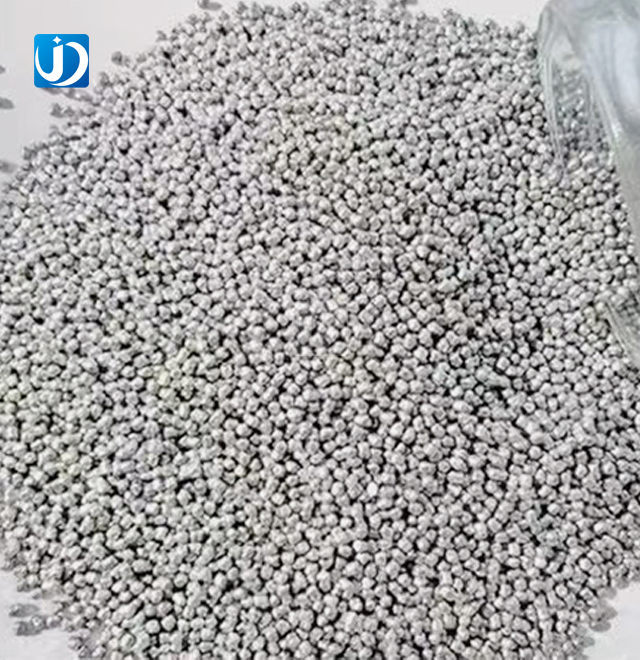
Mill scale is a hard blue-gray oxide layer that forms when hot-rolled plate cools down. It covers the mill. When you paint over scale, it often fails soon because it cracks, flakes, and holds water. Steel shot is thrown at the plate by wheels in a shot blasting machine. The projection speed on our lines is between 65 and 85 m/s. It breaks up the scale and gets rid of the rust in the cracks and along the edges. Then, a recycling system takes the dust and scale off of the recyclable abrasive and puts it back on the wheels. This way, the cleaning power stays the same during long shifts.
What the Blasted Surface Looks Like
The plate has a flat silver finish and a surface design, which is often called the anchor pattern, after it has been blasted. Depending on the size of the abrasive, the roughness is usually between 40 and 80 microns Rz. This profile gives the primer a mechanical grip. ISO 8501-1 and, in the US, SSPC-SP 10 are used to rate how clean something is. Sa 2.5 is very close to white metal and is the grade that many industrial coating specifications ask for. In one pass, our plate lines get to Sa 2.0–Sa 2.5. Blasting also leaves behind compressive stress at the surface, which helps the material resist fatigue. Look at the finishing data sheet to find out the exact grade.
Where Blasted Plate Is Used
Builders of ships blast the hull plate so that marine paints can stick to the clean steel. Bridge builders treat the girder and deck plate so that they don't rust over time. Manufacturers of pressure vessels and wind towers blast the plate before welding and inspecting it. This is done so that the surface is clean, which helps testers find flaws and keeps dirt out of the join zones. On our line, we also work with heavy plate, hot-rolled plate, and H-beams. The normal roller widths are 1.5–3.5 m, and special builds can go up to 5 m. One thing that all of these areas need is a stable surface before they seal or join.
Steel Plate Surface Preparation Techniques ComparedShot Blasting vs. Sandblasting
In sandblasting, abrasive is pushed with compressed air, usually through a nozzle that you hold in your hand. The results rely on how skilled the user is, and a lot of compressed air is burned during the process. Abrasive is thrown with wheels during steel plate shot blasting treatment, and the plate width is covered all at once. Steel shot is also used over and over again. Workers aren't exposed to as much respirable crystalline silica because of OSHA rules. This is one reason why many shops stopped using silica sand. Even though steel abrasive doesn't have any free silica in it, a dust collector is still useful for getting rid of scale and rust particles. Wheel blasting gives more consistent results per hour for flat plate at volume.
Grinding and Acid Pickling
Abrasive disks are used to grind away scale. Spot fixes can be done with it, but it's slow, uneven on wide plates, and hard on the teams. In chemical baths, acid cleaning breaks down scale. It cleans well, but it needs to be serviced, rinsed, and thrown away with acid. Pickled steel is also smooth when it's done, so many coatings still need an extra step to make them grip. Using shot blasting to remove scale, make the profile, and make dry waste that a dust collector can collect is all done in one pass. Buyers who are debating between chemical lines and mechanical cleaning should look at how much it costs to handle waste as well as how much the machine costs.
Operating Cost, Wear, and Environmental Factors
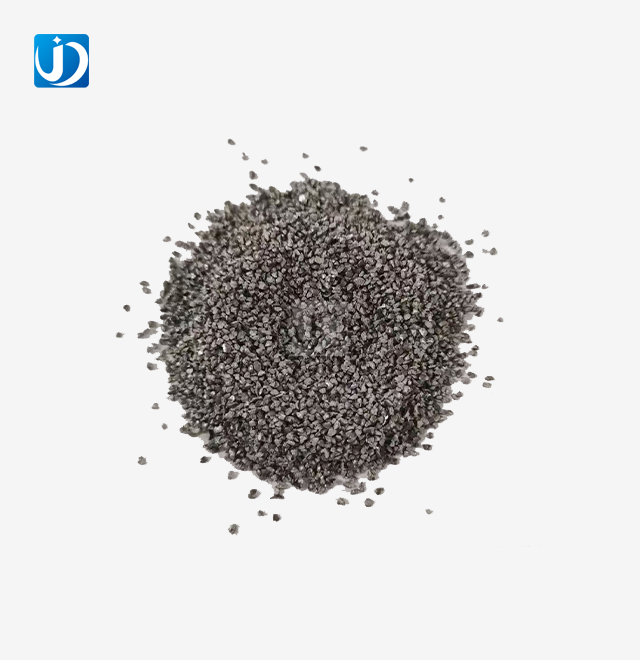
People who buy things from me look at four things when I compare methods: rough use, wear parts, energy use, and waste. Since steel shot is used in shot blasting and moves around, most of the abrasive loss comes from breaking down into fines. Blades and seals wear out and need to be replaced on a regular basis, so the parts supply of a provider is important. The installed power on our plate lines is between 45 and 220 kW, and the throughput is between 3 and 28 t/h. As the line stays full, the cost per ton goes down. When sandblasting, the abrasive is only used once and then thrown away. Pickling adds working with chemicals. The easiest waste stream to handle is one that is dry, enclosed, and removes dust.
The Steel Plate Shot Blasting Process ExplainedInspection and Equipment Setup
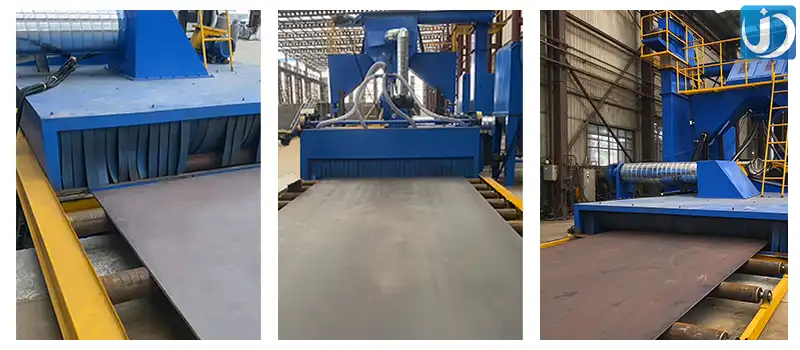
Start with the plate that comes in. Make sure there is heavy rust, oil, grease, and metal spatter on the surface. It's not always possible to blast away oil, so degrease first using a method like SSPC-SP 1. Then put plates on the roller conveyor, either by hand or automatically. To get the right plate thickness and grade, set the speed of the conveyor, the speed of the wheels, and the flow of the abrasive. They usually run a test plate and look at it next to photos from ISO 8501-1. These settings are saved by a PLC, so when the order is placed again, it starts with parameters that have already been tested.
Blasting and Quality Checks
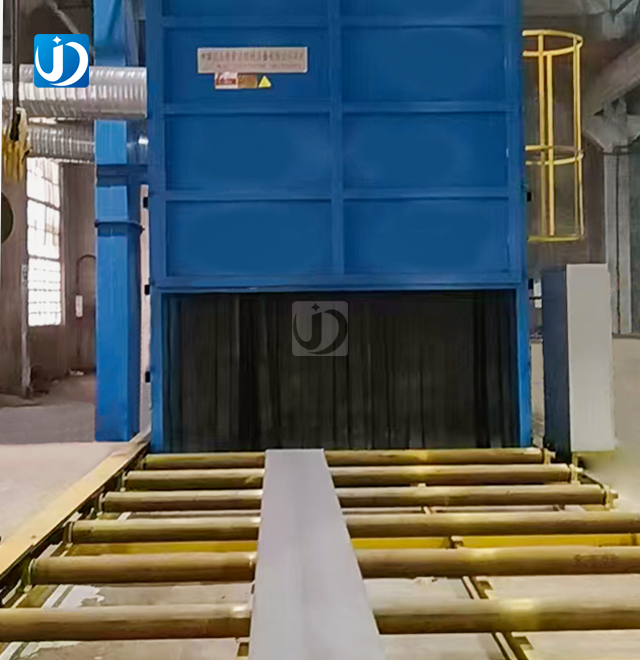
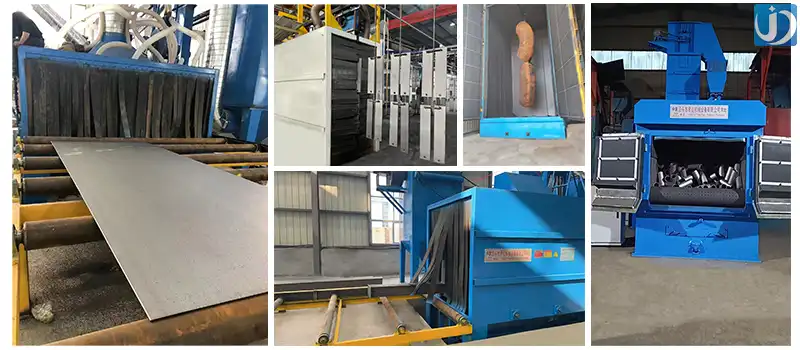
Plates go through a roller room that is completely sealed off. In this chamber, wheels rub against the surface. There must be no more dust or grit left on the surface before the plate goes on. Inspection comes next. Checkers use ISO 8501-1 to see how clean the surface is, ISO 8503 to measure the profile with a gauge or replica tape, and ISO 8502 to check for dust with tape. The Bresle method is used to check soluble salts for work in the ocean. Many standards for marine coatings have strict chloride limits, so check the number with the company that made your coating. Customers and classification societies often ask for high-quality files that are made from recorded results.
Common Problems and Machine Types
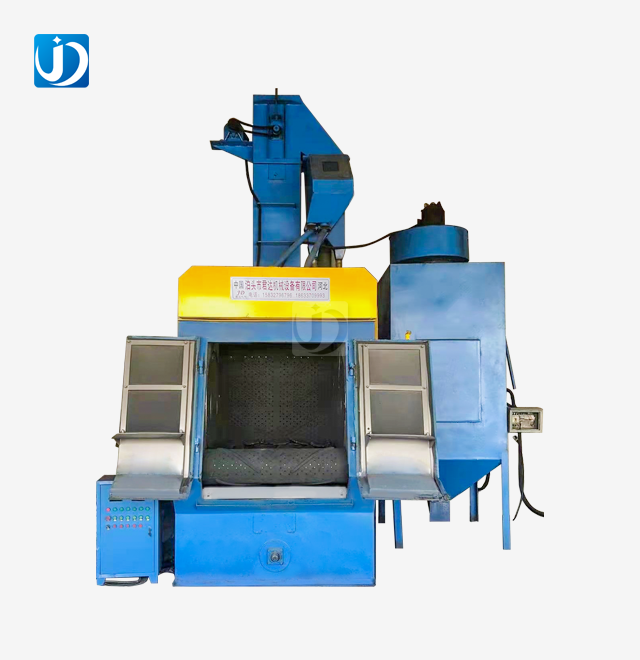
Most of the time, uneven blasting is caused by old blades, a bad mix of abrasives, or a conveyor speed that is set too high. With regular blade checks, grit top-ups, and tuned speed, most problems can be fixed. Abrasive that has broken down or weak separation can cause the liner to wear out quickly. Machine types are also different. Spot work is best done with air blasting, and complex shapes can be blasted by robots. To make roller-through lines with wheels that can handle steady flow, we build them for handling plates. They can handle flat plates, wide plates, and H-beams. Another risk is flash rust, so prime the plate right away after blasting, especially in shops that are damp.
How to Choose the Right Steel Plate Shot Blasting Service or Equipment?
Match the Line to Your Plate and Output
Start by figuring out the size, weight, width, and thickness of your plates for steel plate shot blasting treatment. Standard roller widths are between 1.5 and 3.5 m, and Junda Machinery can make them up to 5 m if needed. The next step is to set your goal in tons per hour. Our lines go from 3 to 28 t/h, so ask any supplier to show you measured throughput on your plate type. It's best if the video or report comes from a third party. Another thing to check is the floor space. A continuous line with a dust collector and an abrasive loop needs space. Lastly, look at the finishing line further down the line. The PLC signs and conveyor speed should match so that plates can go from being blasted to being painted without having to be moved by hand.
Check Certifications, Parts, and Support
Here are the things I tell buyers to check before they sign:
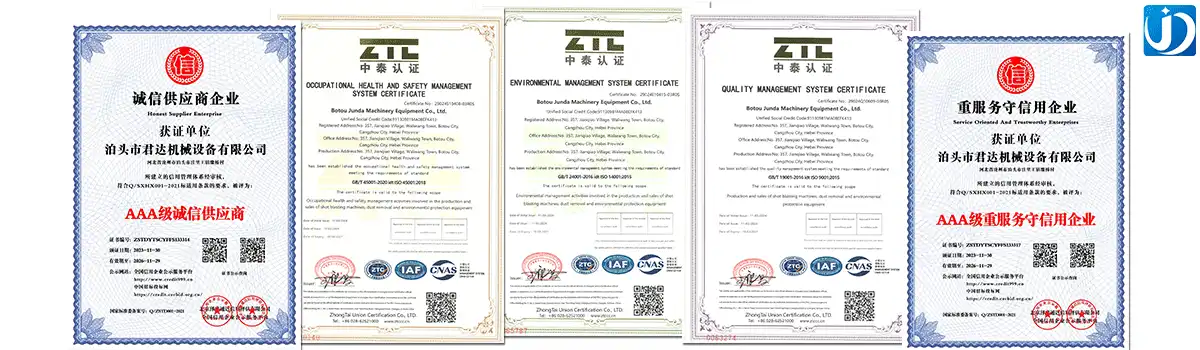
- Documentation: To get documentation, you should ask for test results, expert files, and quality system certificates. Junda Machinery holds ISO 9001, ISO 14001, and ISO 45001 certifications. They also offer technical documents and qualification files that meet export requirements and can help with CE certification. Also, make sure you talk to your local inspection early on about voltage and safety standards so that approvals don't slow down installation.
- Wear parts: Ask how often blades, liners, and shot should be replaced and when they can be delivered. Long term, Junda Machinery provides original replacement parts. A clear parts list helps your maintenance team plan changeovers, keep stock on hand, and avoid unexpected stops that leave the coating line behind the blaster idle.
- Service: Make sure you know about commissioning, operator training, and English manuals before you place your order. Junda Machinery offers remote installation help, maintenance guides, troubleshooting, and expert service from outside of China when needed. It also responds to questions within 6–8 hours. When you compare suppliers, written service terms help you do it fairly.
Weigh Total Cost and Supplier Track Record
It costs one line in the budget to buy something. Add in the grit, the power, the dust filter elements, the work, and the break. Handling work is cut down on a line with automatic filling and PLC control. This can be more important over ten years than a small difference in machine cost. Look at how long a supplier has been in business, their patents, their software systems, and whether they are ready to let you visit their plant or watch a live video. Steel plate shot blasting treatment equipment has been made by Junda Machinery for 20 years. The company has two utility model patents and seven software copyrights. Depending on the requirements, standard personalized tools can be made in about 15 days.
Future Trends and Innovations in Steel Plate Shot BlastingAutomation and Line Integration
Handoffs of plates are becoming more automated. Automatic loading, PLC-based sorting, and direct links to paint lines further downstream get rid of the need to stack by hand, which reduces damage and downtime. These tasks can be done on our lines, and the timing of the conveyor can match the speed of the coating line. Data links are often asked for by plants that use production management systems, so talk to your supplier about your interface needs during the design phase. Flash rust can't form as easily when blasting, sanding, and painting all happen at the same time. This saves the quality of the paint.
Digital Monitoring and Intelligent Control
Software can now keep an eye on the machine. Junda Machinery created a system to track how well dust is being removed, a clever management and control system, a system to collect and analyze data, a system to keep an eye on the production process, and a platform for organizing and maintaining things. The maintenance crews can use the data from these tools instead of guesses to fix problems with filters and record data about how they're running. When a fault shows up, remote guidance cuts down on the time it takes to fix it. Less sudden stops and better records for checks are good for buyers.
Energy Use, Dust Control, and Abrasive Recycling
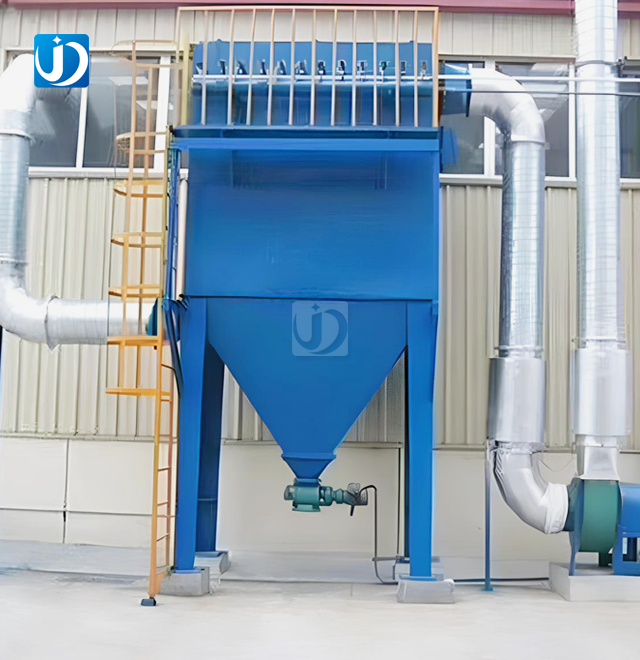
People's standards of safety at work and in the environment now affect what they buy, so dust gathering and abrasive recovery are important. The dust stays inside the chamber because of a closed roller structure, and the air is filtered by the dust removal unit before it is let out. Steel shot recycling gets rid of rough trash. Electricity: The motor size should match the plate size. Our power lines have 45–220 kW of installed power, so a shop that uses thinner plates and has a modest number does not need the biggest unit. When you right-size the line, it uses less power and lasts longer. Ask providers for information on how well their filters work and how often they should be serviced.
Conclusion
Steel plate shot blasting treatment eliminates mill scale and rust by hurling steel abrasive at the plate, resulting in Sa 2.0–Sa 2.5 cleanliness and the controlled shape required by coatings. Compared to sandblasting, grinding, and pickling, it covers a large surface area evenly, reuses abrasive, and creates dry waste that a dust collector can collect. However, blades and liners need to be replaced on a regular basis. A good process includes checking for cleanliness, profile, dust, and salts, as well as setting up, blasting, and inspecting. Buyers should make sure that the rollers' width and throughput are a good fit for their plates, check the company's certifications, parts supply, and service, and then compare the total cost of running the business. New lines are shaped by automation, digital monitoring, and dust control, which also keep quality high.
FAQ
How soon should I coat the plate after blasting it?
Prime as soon as you can. In damp air, steel that has been blasted can show flash rust in just a few hours. Keep the plate in a dry place until it gets to the paint line, as shown on the data sheet from the coating maker.
Can shot blasting be used instead of chemicals to clean?
Most of the time, yes for scale and rust on plate. Blasting gets rid of both and adds the profile paint that is needed. Still, oil and grease need to be cleaned up first.
What kinds of certifications should I ask a supplier for?
You should ask for technical documents and test reports along with ISO 9001, ISO 14001, and ISO 45001 certificates. Make sure the seller can show that their line fits the requirements of ISO 8501-1 or SSPC-SP 10.
How often does the plate need to be treated again?
Only when rust or dirt shows up again before the coating, like after being stored for a long time or being in humid conditions.
Request a Steel Plate Shot Blasting Treatment Quote from Junda Machinery
Junda Machinery has been making steel plate shot blasting treatment equipment for 20 years, is ISO 9001 certified, and has full lines for export, including help with installation and testing. Our engineers will get back to you within 6–8 hours if you send your plate sizes, goal output, and finishing line information to junda001@jundablast.com. Visit jundablast.com to see our tools for shot blasting and getting rid of dust.
References
1. ISO 8501-1: Preparation of Steel Substrates Before Application of Paints and Related Products, Visual Assessment of Surface Cleanliness, 2007
2. SSPC-SP 10/NACE No. 2: Near-White Metal Blast Cleaning, 2007
3. ISO 8503-1: Surface Roughness Characteristics of Blast-Cleaned Steel Substrates, 2012
4. ISO 8502-3: Assessment of Dust on Steel Surfaces Prepared for Painting (Pressure-Sensitive Tape Method), 2017
5. ISO 12944-4: Paints and Varnishes, Corrosion Protection of Steel Structures by Protective Paint Systems, Types of Surface and Surface Preparation, 2017
6. OSHA Respirable Crystalline Silica Standard, 2016

USER EVALUATE
Real feedback and practical experience shared by worldwide partners who purchased our machinery and environmental treatment devices.