
Steel Shot Blasting vs. Sandblasting: Key Differences and Applications
Sandblasting and steel shot blasting are both used to clean metal, but they do different things and are good for various jobs. The blast wheel of a steel shot blasting machine rotates, hurling steel grit at steel components. This makes it useful for rust removal, descaling, and shot peening huge quantities of steel. A sandblaster forces abrasive out of a nozzle using compressed air. This makes it excellent for tiny, on spot or on site jobs. In brief, go for wheel-based steel shot blasting for batch production that needs repeating, and select air blasting for flexible, small-volume tasks. Below I will show you how to apply each method with your parts, talk about U.S. safety laws, and compare the two.
This tutorial is for Junda Machinery, a firm in Botou, Hebei, that has been developing shot blasting instruments for 20 years. It is intended for buyers and quality managers who wish to learn more about a surface preparation procedure before they decide to adopt it.
Understanding Steel Shot Blasting and Sandblasting Technologies
Both use rough impact, but the manner they apply that roughness impacts everything that follows.
How a Steel Shot Blasting Machine Works
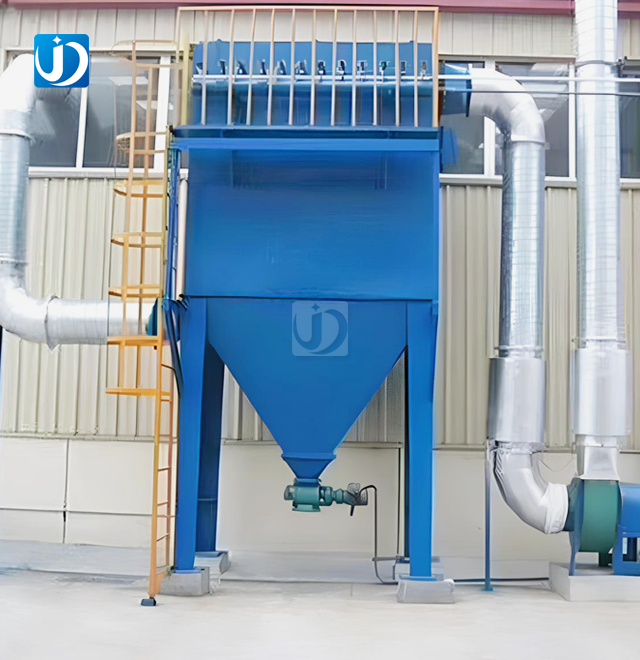
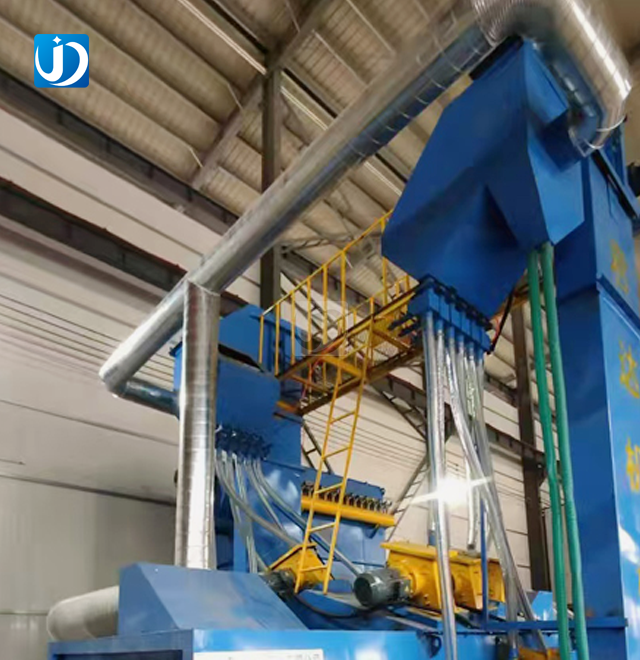
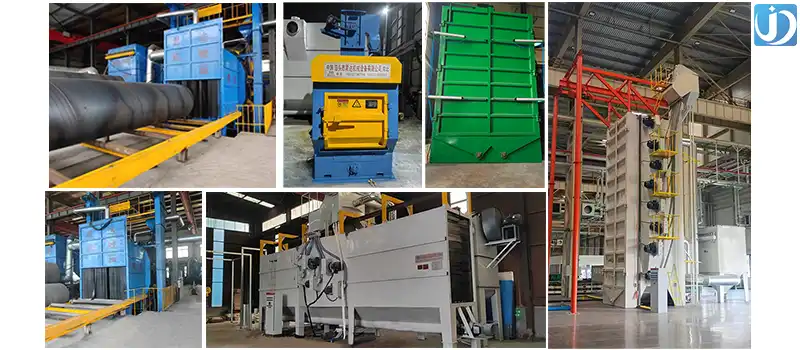
A steel shot blasting machine throws the abrasive into a fast spinning rotary blast wheel. The blades hurl sharp shards of steel at the subject, where they impact and chip away layers of rust, scale and oxide. Our machines can throw at rates of between 60 and 85 m/s, have power outputs ranging from 28 to 185 kW and can manage up to 18 t/h. There is no opening to the outside, and the grit and dust stay inside. Dust collector cleans the air . Spent shot is removed and separated from other trash by a recycling system . It then feeds the clean shot back into the hopper. The blast pattern hits each part the same, from the first to the thousandth, as long as the wheel arrangement remains the same.
How Sandblasting Works
Sandblasting uses pressurized air to force abrasive through a hose and out a nozzle. Pointing the nozzle is generally done by hand by an operator but can also be done by machines and robots. The original sand is used, however many businesses use garnet, glass beads, aluminum oxide or slag. Fine control over the region allows an air blaster to get into tiny spots, remove paint from a panel, or etch a pattern. That independence comes at a cost. The coverage depends on the pace, distance and angle of the hand therefore outcomes can be varied for different persons and shifts. It needs energy to create compressed air . Many installations toss the abrasive away after usage .
Environmental and Safety Rules in the United States
If you run a plant in the United States, start with silica dust. The OSHA 2016 standard for respirable crystalline silica has a maximum permissible exposure level of 50 micrograms per cubic meter, averaged over 8 hours. Since 1992, NIOSH has warned companies to replace silica sand with safer abrasives as it breaks apart and creates fine dust when it strikes something. Both methods create dust from the coating and the base metal and hence require air flow and filtering. Users are protected from the blast zone by a closed steel shot blasting machine with a dust catcher. Open sandblasting requires containment, respiratory protection and air monitoring. Check local and state laws as well, since they can often have extra restrictions.

Key Differences Between Steel Shot Blasting and Sandblasting
When you know how each process works it helps to realize how they are different in terms of media, finish and expense.
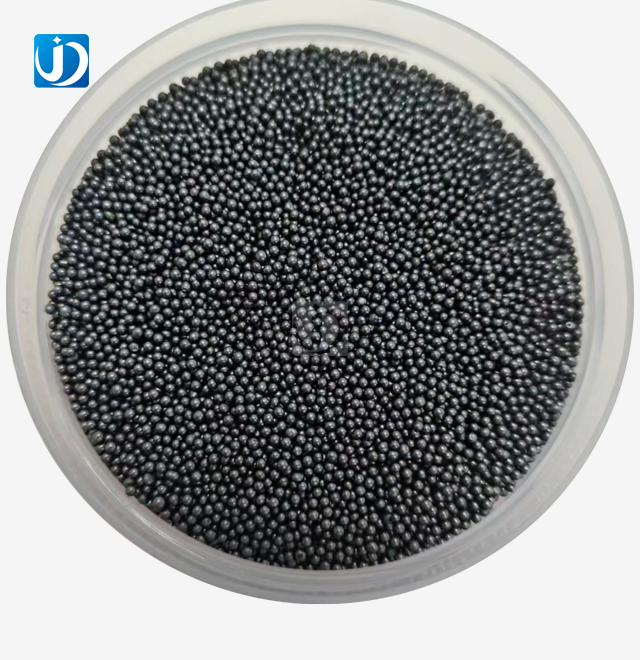
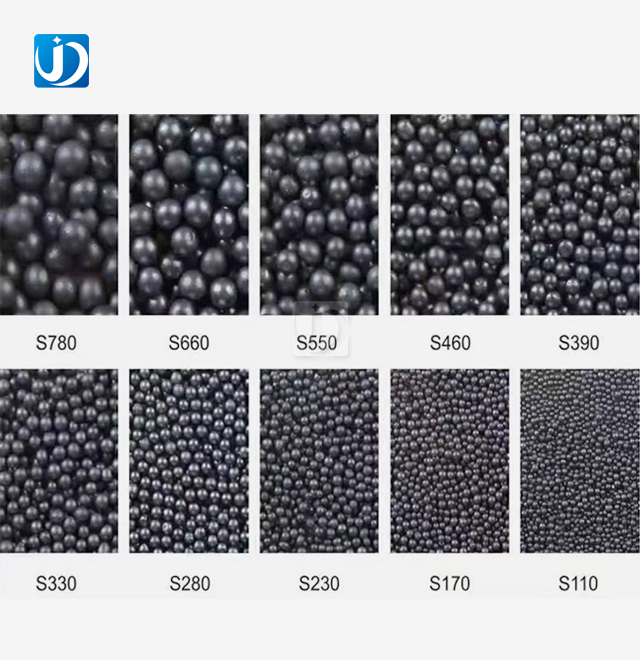
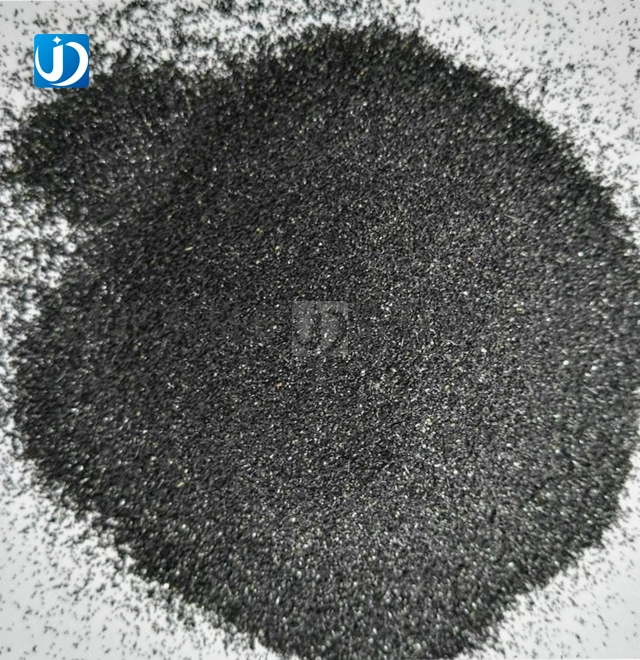
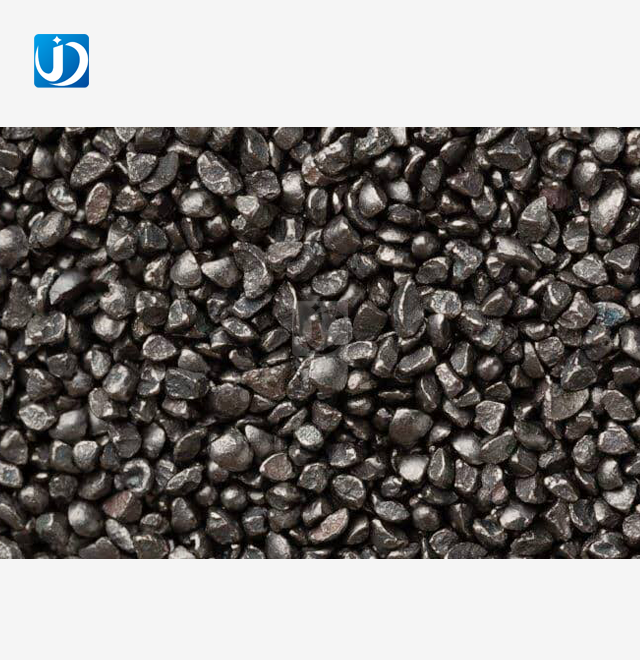
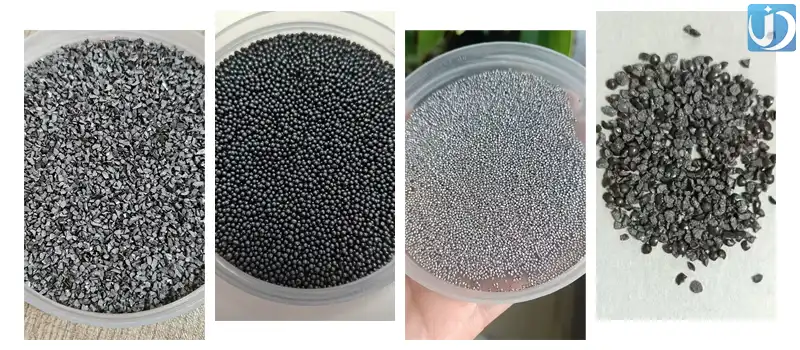
Abrasive Media: Steel Shot, Steel Grit, and Sand
How effectively paint sticks depends on how clean and rough the surface is. ISO 8501-1 cleanliness standards are Sa 1 through Sa 3. SSPC-SP 10/NACE No. 2 describes near-white metal blast cleaning, which is similar to Sa 2½. ISO 8503-1 tells you how to measure the roughness of blast cleaned steel. A wheel-driven machine constantly moves the workpiece with constant wheel speed and flow of abrasive and the same profile throughout the batch. You can get the same finish with hand-held sandblasting, but it is contingent upon the person utilizing it. Our variable speed control allows you to regulate the speed of the wheel according to the size of the part, the material, the amount of rust and the size of the shot. PLC related control decreases the dependence of operator’s expertise.
Surface Finish and Consistency
Paint will stay or not depending on how clean and rough the surface is. ISO 8501-1 grades cleanliness from Sa 1 to Sa 3 and SSPC-SP 10/NACE No. 2 describes near-white metal blast cleaning, which is closely related to Sa 2½. ISO 8503-1 describes procedures for assessing the roughness of blast-cleaned steel. A wheel-driven machine maintains a constant wheel speed, abrasive flow, and part movement, and so repeats the same profile throughout a batch. Same grade can be achieved by hand held sandblasting however it is operator dependent. Our adaptive speed control allows programming wheel speed according to part size, material, rust level and shot size. PLC connected control requires minimal operator skill.
Operating Cost and Energy Use
A separator in a steel shot blasting machine recycles the media. This means you buy less new abrasive per ton of parts. Sandblasting systems that use the abrasive only once must continuously buy new media. Energy is also changed. The power consumption ranges from 28 to 185 kW depending on the size of the blast wheels. Air blasting requires a compressor to run and compressed air is one of the more expensive things a plant has to have. The number of workers is crucial, too: an automated line requires fewer personnel each shift than blasting by hand. You should examine the overall cost per ton of cleaned parts. Wheel machines use more floor space and are more expensive to purchase initially.
Applications of Steel Shot Blasting and Sandblasting in Industry
There are places for each method in different fields of work, and the best one to use depends on the task at hand.
Where Steel Shot Blasting Fits Best
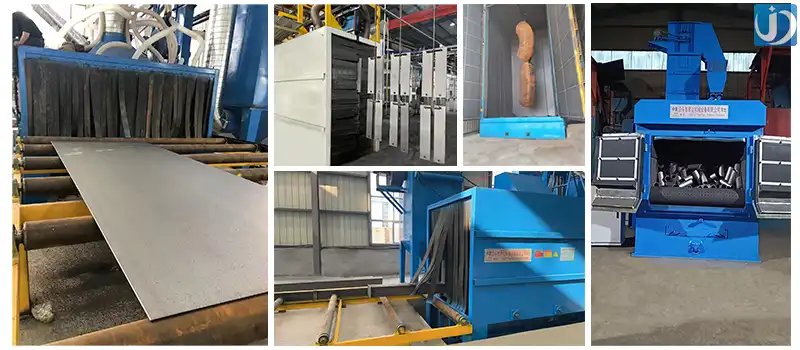
Shot blasting works well for steel and cast parts that move through a large area. Structural steel members, foundry castings, car parts, construction equipment parts, and metal profiles are all common jobs. Before coating or grinding, the machine gets rid of rust, mill scale, and oxide layers. Shot peening is another use for it. When things hit each other over and over, they leave behind compressive stress at the surface. This keeps parts from cracking from fatigue under cyclic loads. When the same groups of parts need to be cleaned every day, a steel shot blasting machine that is fed by a conveyor belt speeds up the process. It also keeps noise, dust, and abrasive inside the enclosure, which makes the shop floor better.
Where Sandblasting Fits Best
And sandblasting has a place where accuracy and portability are important. Some common jobs are removing paint from a car panel, cleaning a bridge or tank on the spot, getting a small repair area ready, or etching glass and stone. With this method, the user controls the nozzle, so it can reach corners, welds, and uneven shapes that a set wheel pattern might miss. Mediums that are softer, like glass beads or fine garnet, clean smooth surfaces without going too deep. Air blasting is often used for these tasks in aerospace and naval shops because the parts come in a lot of different sizes and shapes. It works well for small amounts of work, but when the same task is done thousands of times, it slows down production.
Choosing by Workpiece and Volume
Have three questions ready to go. What are you cleaning, how many parts do you go through each shift, and how strict are the rules for the finish? A machine with wheels is likely one that has a lot of heavy steel or iron parts. Thin sheets, soft alloys, and one-time repairs are all signs of air blasting with a softer abrasive. Part size is also important. A machine that looks like a tunnel moves pieces of work through the chamber on a belt that goes under several blast wheels. We customize the structure of the blast wheels, the style of conveying, and the way dust is collected based on your parts and output. This way, the machine fits the job instead of the job having to fit the machine.
Comparison of Steel Shot Blasting Machines and Sandblasting Equipment
Equipment you buy affects more than just the process itself. It also affects floor room, dust control, and daily maintenance.
Equipment Types and Configurations
There is a lot of different kinds of shot blasting tools, from small batch units to automated lines. Parts are moved through tunnel machines on a conveyor belt that goes under several blast wheels that are set up to cover the whole area. With their modular design and PLC-linked control, our machines can run for long periods of time without stopping. There are many kinds of tools used for sandblasting, from portable pressure pots used on the job site to blast cabinets and blast rooms. A pressure pot and pump can go to the job site, but a wheel machine stays in your plant. This is one of its strengths. Pick by where you are. Wheel blasting works well with large parts that come to the machine. This method works best when the machine has to go to the part.
Dust Collection and Abrasive Recycling
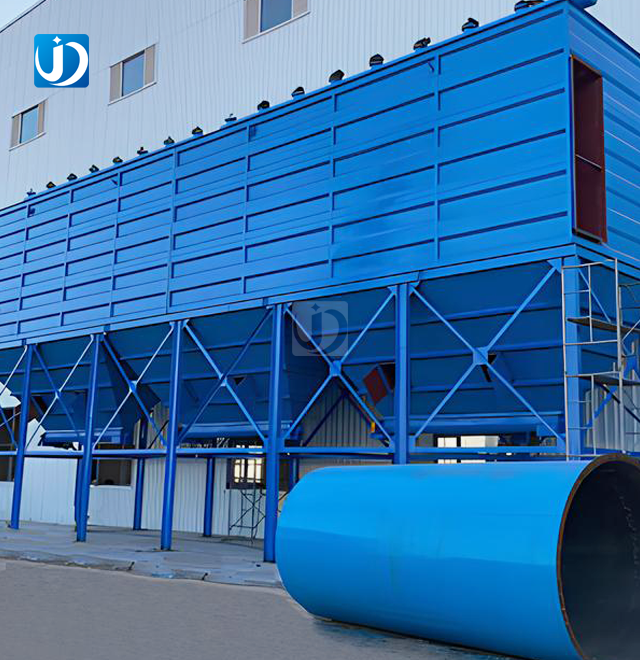
Each type of machine needs to handle dust in its own way. The closed chamber, abrasive recycling system, and dust collector on our steel shot blasting machine all work together as a single loop. The used abrasive is sent to a separator, which cleans it of dust and broken pieces. Shot that can be used again is sent back to the wheel. The air is cleaned by the cleaner before it leaves the building. Quality of separation is important because media that is dirty or broken lowers the quality of cleaning and increases consumption. Similar collectors are used in sandblasting cabinets, while containment and movable extraction are used for open blasting. Ask each supplier about filtration specs and how the separator gets rid of fines when you compare quotes.
Maintenance, Warranty, and Support
It's important to have spare parts ready from the start because wheel blades, liners, separators, and filters wear out over time. Junda Machinery backs up the whole machine with a warranty and offers remote installation, commissioning, troubleshooting, training for operators, and maintenance advice. We offer English-language operation manuals and maintenance videos, and if a project needs one, we can also find an engineer from another country. Original spare parts are always in stock, and we answer questions within 6–8 hours. For someone in the U.S., these support points are just as important as the machine itself, since a line that isn't being used costs more than a small part. Regularly replacing the nozzle, hose, and valves on air blasting tools is also important, so find out if parts are available for all of your options.
Making the Right Decision: Steel Shot Blasting or Sandblasting?
A clear checklist and a trusted supplier make this choice much easier.
Questions to Ask Before You Buy
Answer a few questions on paper before you sign. What level of roughness and surface grade does your coating need? How many tons or pieces do you need to clean every hour? What parts will use the same machine? How much will the stone and electricity cost per ton? When your best operator leaves, who will run it? If the answers show steady volume and steel or iron parts, a wheel machine can lower cost per ton by reusing abrasives and fixing them less often. If they show small amounts of mixed materials, air blasts might work better. Ask providers to test your sample parts or send you a video of a test, and then look at the results on the surface.
How Junda Machinery Supports Your Project
Junda Machinery has certifications for ISO 9001, ISO 14001, and ISO 45001, and we can also help with CE certification for markets that need it. We have two utility model patents and seven software copyrights. These include a system for monitoring how well dust is being removed and a system for controlling the production process. Depending on the specifications, making standard customized equipment takes about 15 days. For ODM and OEM projects, we can change the machine's size, how it collects dust, its control systems, how it's painted, and the voltage standards so that they meet local needs. We can also add private labels. We also take care of export paperwork and help with FCL, LCL, and oversized shipments, as well as delivery from door to door.
Notes for Abrasive Distributors and OEM Buyers
If you sell steel shot and grit along with tools, the tools and abrasive must be the same. You can tell if a customer's setup works well by looking at data on wheel speed, abrasive size, and usage. This information helps them place repeat orders for abrasives. Our adaptive speed control lets operators match the speed of the wheel to the size of the shot. This way, a single machine can serve customers who need different grades of abrasive. You can protect your reputation with a full machine warranty and a package of spare parts. This is because a customer line that is stuck means fewer rude reorders. Buyers from OEM and ODM can ask for private labeling, intelligent tracking software, and electrical settings that are right for their market. Send us the abrasive specs and typical workpieces, and we'll come up with a configuration that works for you.

Conclusion
Blasting with steel shot and sand are both ways to prepare surfaces, but they are used for different things. A steel shot blasting machine on wheels can cover the same area over and over, reuse its steel abrasive, and keep dust inside a filtered enclosure. That works for peening, descaling, and removing rust from a lot of steel and cast parts. Sandblasting uses compressed air and a hand-guided nozzle. It can be used for small batches, paint stripping, work that needs to be done on-site, and delicate surfaces. However, the results rely more on the person doing the work, and the abrasive is often thrown away. The silica rule from OSHA and the guidance from NIOSH make the choice of abrasives and controlling dust very important for U.S. operations. Which method to use relies on the type of material, the amount that needs to be done, the desired finish, and the cost per ton of things like abrasives, energy, labor, and upkeep.
FAQ
Does steel shot blasting give a better surface finish than sandblasting?
Not always better, but it is more consistent on steel parts. A wheel machine repeats the same coverage on every piece, while sandblasting quality depends on the operator. For delicate or non-ferrous surfaces, air blasting with a softer abrasive often gives a finer finish.
What maintenance does a steel shot blasting machine need?
Inspect blast wheel blades and liners, check the abrasive separator, replace dust collector filters on schedule, and monitor the abrasive mix. We provide English operation manuals and maintenance videos, plus remote guidance, so your team can follow each step.
Can steel shot blasting replace sandblasting?
It can replace sandblasting for steel and cast parts that move in steady volume, such as structural members and castings. It cannot replace sandblasting for on-site work, thin or soft metals, or jobs that need a fine etch. Many plants keep both methods and assign each to the work it handles best.
Request a Quote from Junda Machinery
Looking for a steel shot blasting machine manufacturer that supports your project from design to training? Junda Machinery builds shot blasting equipment with enclosed chambers, abrasive recycling, dust collection, and adaptive speed control, backed by a full-machine warranty and English technical materials. Email junda001@jundablast.com with your workpiece photos and output goals, or visit jundablast.com for product details. We reply within 6–8 hours.
References
1. OSHA, Respirable Crystalline Silica Standard for General Industry and Maritime, 2016.
2. NIOSH, NIOSH Alert: Request for Assistance in Preventing Silicosis and Deaths from Sandblasting, 1992.
3. ISO, ISO 8501-1: Preparation of Steel Substrates Before Application of Paints and Related Products, Visual Assessment of Surface Cleanliness, 2007.
4. ISO, ISO 8503-1: Surface Roughness Characteristics of Blast-Cleaned Steel Substrates, 2012.
5. SSPC and NACE International, SSPC-SP 10/NACE No. 2 Near-White Metal Blast Cleaning, 2007.
6. ASM International, ASM Handbook, Volume 5: Surface Cleaning, Finishing, and Coating, 1994.

USER EVALUATE
Real feedback and practical experience shared by worldwide partners who purchased our machinery and environmental treatment devices.