
Troubled by surface discoloration after blasting? Cast stainless steel shot delivers clean blasting results
Surface discoloration after blasting usually traces back to the media, not the operator. Carbon steel abrasive can leave tiny iron fragments on stainless steel, aluminum, and copper alloy parts. Those fragments later rust, stain, or show up as uneven color after anodizing. Cast stainless steel shot solves this problem because it leaves no rust-prone carbon steel residue on the workpiece, and it still delivers a clean, uniform matte finish. In this article, I explain why discoloration happens, how stainless shot compares with other media, where it works best, and what to check before you buy.
Understanding Surface Discoloration Issues in Blasting
What Causes Discoloration After Blasting?
Most discoloration is caused by three issues. The first is iron that is embedded. When carbon steel shot hits metal that isn't made of iron or steel, small pieces can stick to the surface and rust when they get wet. The second is making a mess. If you use too much media or settings that are too harsh, you can burnish the surface and make the gloss uneven. Third, cross-contamination happens inside the machine, where stuff from previous jobs gets mixed in with the media that is being used. ASTM A380 talks about how to get rid of iron pollution in stainless steel parts. This is necessary because iron in stainless steel lowers the layer of chromium oxide that protects it. The first thing I always do when I get a rust report is look at what media was played on that machine before.
How Iron Residue Affects Stainless, Aluminum, and Copper Parts
At least 10.5% chromium makes a thin, self-healing metal film that keeps stainless steel from rusting. Since carbon steel shot doesn't have this film, any pieces that get stuck in stainless steel become small sources of rust and can cause pitting. When iron is lodged in aluminum, it can leave dark spots and odd color after it is anodized. Parts made of copper alloy can have the same kind of spots around pieces. By following ASTM A967, passivation can get rid of free iron, but it adds a step to the process and heavy contamination may still need to be fixed. It is easier to keep iron out during the blasting stage than to fix it later.
Why Discoloration Becomes a Quality and Complaint Problem?
A part that has changed color is more than just an eye sore. When ASTM B117 or ISO 9227 salt spray tests are done, rust spots show up, and parts that fail are thrown away. Customers who carefully look at the product's appearance send it back because the color changed after anodizing. Rework costs more time and money, and one complaint can stop a line while the team figures out what went wrong. Process managers who deal with these complaints usually want proof from real parts, like salt spray results and Ra readings, instead of a promise. I believe that method is smart, and my suggestions are based on it.
Why Cast Stainless Steel Shot Is the Ideal Solution?
Corrosion-Resistant Grades for Stainless and Non-Ferrous Work
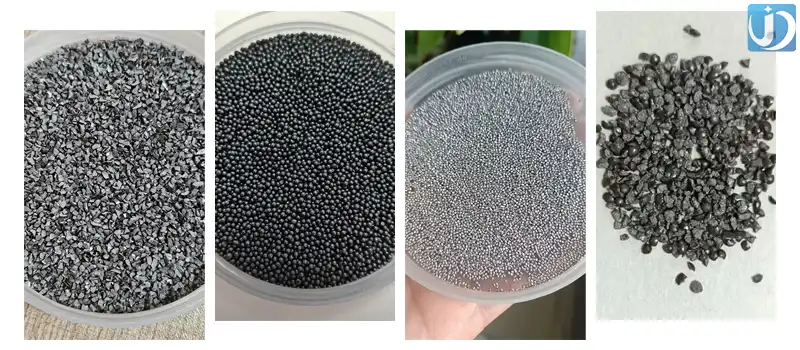
The types of cast stainless steel shot we offer are SUS202, SUS304, SUS316, and SUS430. Austenitic grade SUS304 has about 18% chromium and 8% nickel. It is a popular choice for general corrosion protection. Adding molybdenum to SUS316 makes it more resistant to chlorides. Iron-based grade SUS430 doesn't have nickel and is magnetic. Manganese is used instead of some of the nickel in SUS202. Because the shot doesn't rust, small pieces that fall off don't cause rust like carbon steel pieces do. The surroundings of the part, the finish goal, and your machine all affect the grade you choose.
Size and Hardness Control for Consistent Ra
To get a consistent finish, the pieces must be the same size and hardness. We have shot that is between 0.2 and 3.0 mm thick and between 380 and 700 HV hard. Fine sizes, like 0.2 to 0.3 mm, work well with satin and matte finishes. Larger sizes, on the other hand, can remove heavy burrs and scale. The 380 to 450 HV grade works best for soft metal parts because the harder shot can dent the surface. The surface profile stays the same from batch to batch because the sizes are not spread out too far, and you can check this with sieve analysis under SAE J444.
Round, Dense Shot with Low Breakage
Cast shot is round and has a density of at least 7.7 g/cm³, which means that each particle has enough mass to remove burrs and clean up. The surface is also smoothed out by round particles, while angular grit cuts into it. Broken shot has sharp edges that can scratch parts that are finished in mirror polish and clog separators, so low breakage is important. You don't just pay for one pass through the blast machine; the shot goes through it again and again. Cost per cycle and redo rate should be used instead of price per kilogram when I compare choices.
Comparing Cast Stainless Steel Shot with Other Blasting Media
Versus Carbon Steel Shot and Steel Grit
Carbon steel shot works well on iron casts, but it can't be used instead of stainless media on aluminum and stainless steel parts before they are anodized, passivated, or plated. Steel grit has sharp, angular edges that cut quickly and remove a lot of scale from metal parts. However, it has the same iron risk and leaves a rougher appearance. There is less cutting speed with cast stainless steel shot, but the surface is clean, matte, and doesn't leave behind any material that can rust. I only suggest carbon steel when the part is made of iron and will be painted or coated soon after being blasted.
Versus Glass Beads and Aluminum Oxide
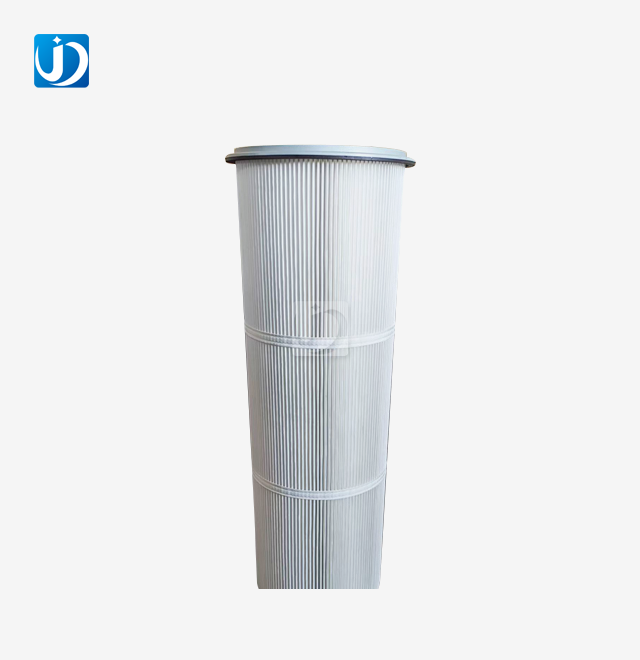
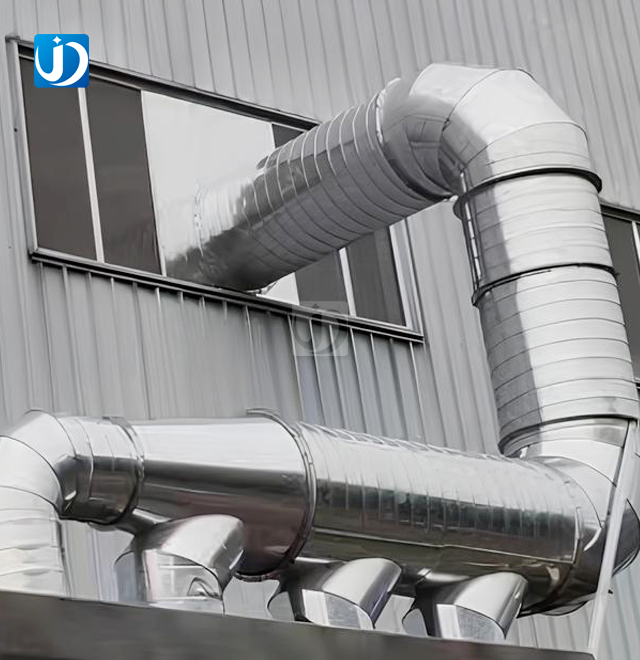
Glass beads give a satin finish a bright look, but they break easily and make dust that makes it hard to see inside the cabinet. Even though aluminum oxide cuts quickly, its sharp bits can get stuck in soft metals and make them harder. Since neither material adds iron, the trade-off is dust, broken media, and how often you have to replace them. In recirculating systems, metal shot breaks down more slowly. This means that fewer top-ups are needed and the results are more stable over time. If you pair a metal shot setup with the right-sized dust collector, it will also keep the work area clean.
Versus Cut Wire Shot and Coal Slag
Stainless cut wire shot lasts a long time, but the ends of the cuts are sharp at first and need to be worn in before they round off. Cast stainless steel shot comes round from the first turn, which gives a uniform roughness right away and works for general deburring and finishing jobs. Coal slag is only used once and makes a lot of dust, so it's not usually good for making precise parts. Three questions tell us what the right answer is. What kind of metal is it? What kind of finish does the picture need? After blasting, what comes next? If you answer those, it's usually easy to see which media to choose.
Practical Applications and Typical Use CasesAluminum Extrusions and Die Castings Before Anodizing
The cast stainless steel shot gets rid of parting lines, burrs, and oxide on aluminum extrusions and die molds while giving them a uniform matte finish. Parts that go through anodizing are less likely to get iron spots and color changes because the media doesn't leave any carbon steel behind. For soft aluminum, pick the 380 to 450 HV grade. For a satin look, pick a fine size. First, do a small amount of work, and then compare the Ra numbers and how it looks after anodizing. Because of strict standards for looks, this group includes housings for consumer electronics and precision hardware.
Stainless Fabrications for Food and Medical Equipment
Stainless steel that has been welded has heat tint and weld scale. Both can be removed by blasting with cast stainless steel shot, which doesn't add iron and meets the clean surface requirements of equipment used in food processing and medicine. ASTM A967 passivation usually comes next, and clean media keeps things from getting dirty before that step. SUS304 or 316 is good for parts that are more likely to rust. Make sure the blast machine is only used for stainless steel work. Sharing equipment is a common way for rust to form after blasting.
Copper Alloys, Architectural Stone, and Machine Matching
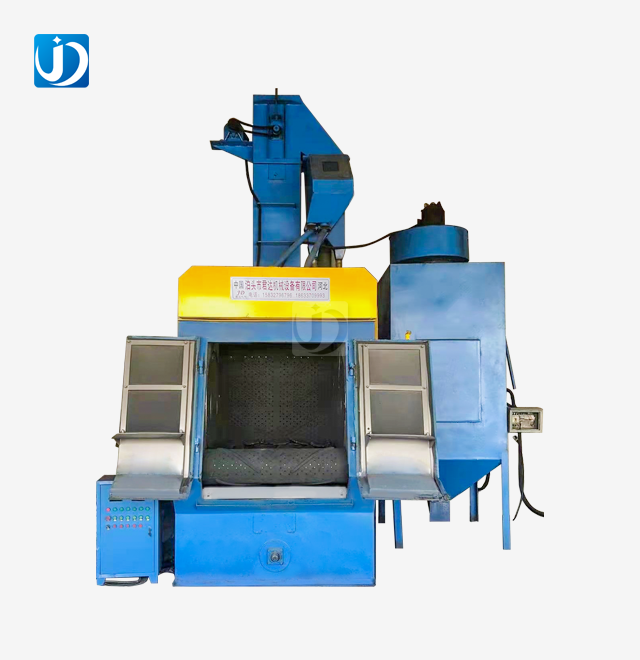
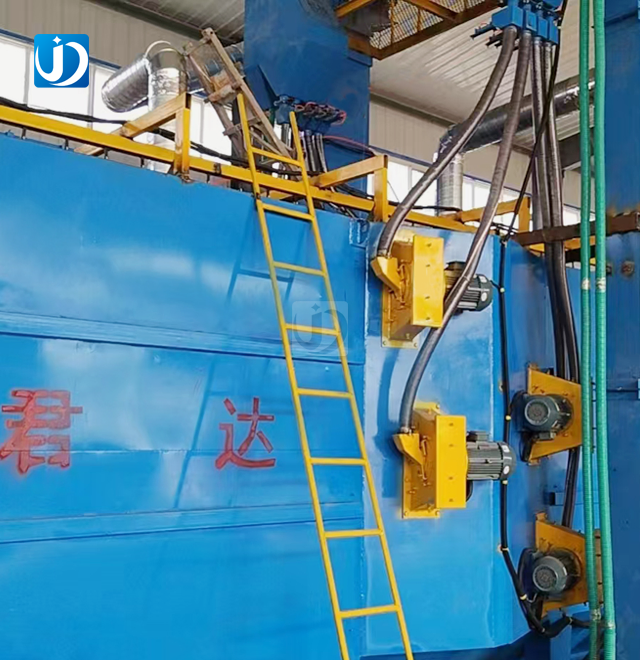
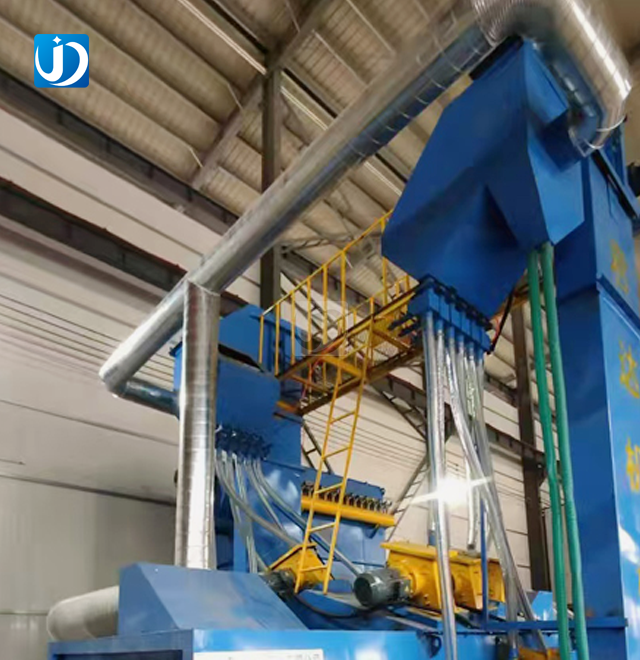
Cast stainless steel shot works well to remove burrs and give copper alloy fittings a uniform matte finish. Another use is for building stone. The shot can give granite and marble a brushed, non-slip surface, and since there is no iron contamination, the stone won't rust over time. I look at both media and machines because they work together. Junda Machinery has been making shot blasting equipment and dust removal systems for 20 years. Our team can talk to you about choosing the right media, as well as machine configuration, voltage standards, and dust collection.
How to Procure Quality Cast Stainless Steel Shot?
Verify Material and Quality Documents
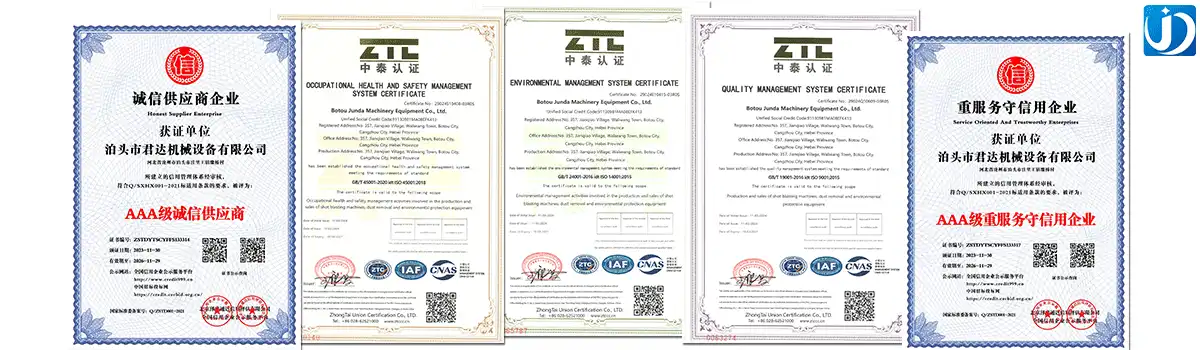
For each batch, ask for a material test certificate and a chemical study by optical emission spectroscopy to prove the amount of chromium and nickel. Ask for a sieve analysis, a microstructure check for holes and cracks, and the results of a fatigue test. These will tell you how long the shot lasts. ASTM A380 tells you how to test a sample to get a free-iron check on finished parts. Junda Machinery is certified by ISO 9001, ISO 14001, and ISO 45001, and we offer technical papers and test results to meet the needs of exporters. We give out batch MTC papers for private label sales.
Run a Trial Before You Commit
When you switch providers, you have to retune the machine, so make sure it works before you commit. Start with a small test batch, run it on your own equipment, and then compare the Ra readings, how it looks, and the salt spray results to the media you already use. For many projects, the process starts with checking a sample, then moves on to a trial order, and finally gets approval from the quality department. The whole process can take up to four months. Keep track of the covering time, blast pressure, or wheel speed, as well as the media mix, so that the results can be repeated. First, clean out the machine, because any carbon steel that is still there will bend the trial.
Plan Order Details, Packaging, and Export Logistics
Agree with the seller right away on the grade, size, hardness grade, packing, and amount of the order. Shot comes in either 25 kg bags or bulk bags. Which one you should choose depends on how much you plan to use it. Find out the minimum order size and wait time before you make a decision. We help with customs declaration, certificate of origin, and export documents, and we work with international freight forwarders for both FCL and LCL shipments. Private labeling and English stickers can be asked for by distributors.
Conclusion
Most surface discoloration after blasting is caused by iron residue left behind by carbon steel media. This iron residue rusts, stains, or makes the color uneven after anodizing. Cast stainless steel shot doesn't leave that residue behind because the metal doesn't rust. Users can choose the grade, size, and sharpness of the media to fit the part. It has a clean matte finish, doesn't break easily, and can be used over and over in rotating machines, unlike carbon steel shot, steel grit, glass beads, aluminum oxide, cut wire shot, and coal slag. Aluminum before anodizing, welded stainless steel equipment, copper alloy parts, and architectural stone are all common uses. Checking batch records, doing a controlled trial, putting the blast machine to work on stainless steel only, and comparing cost per cycle instead of price per kilogram are all reliable ways for buyers to get accurate results.
FAQ
Why does my part rust after blasting with stainless shot?
Most of the time, the machine ran carbon steel shot first. To keep things from getting dirty, either clean it all up or set aside one machine just for cast stainless steel shot media.
Should I choose SUS304 or SUS430?
Nickel is in SUS304, which makes it more resistant to corrosion. There is no nickel in SUS430, and it is magnetic. Test a sample first to make sure the grade is right for the part.
What hardness suits soft aluminum parts?
The best grade is 380 to 450 HV. Cast stainless steel shots that are harder can dent soft aluminum and make Ra less stable.
What size gives a satin finish?
To get a fine smooth finish, sizes between 0.2 and 0.3 mm are best. Larger sizes are better for aggressively removing scale and heavy burrs.
Can the shot run in both wheel and air blast machines?
Yes. It works well with spinning wheel tools and pressure-fed air blast nozzles because it is round and strong.
CTA: Request Cast Stainless Steel Shot from Junda Machinery
If you need a provider of cast stainless steel shot who knows about discoloration issues, please feel free to contact Junda Machinery. We have sizes ranging from 0.2 mm to 3.0 mm in SUS202, 304, 316, and 430 grades. Our company is ISO 9001 certified, and we respond within 6 to 8 hours. Please email junda001@jundablast.com with the type of part material, finish goal, and machine type. To find out more, you can also go to jundablast.com.
References
1. ASTM International, ASTM A380/A380M: Standard Practice for Cleaning, Descaling, and Passivation of Stainless Steel Parts, Equipment, and Systems, 2017
2. ASTM International, ASTM A967/A967M: Standard Specification for Chemical Passivation Treatments for Stainless Steel Parts, 2017
3. ASTM International, ASTM B117: Standard Practice for Operating Salt Spray (Fog) Apparatus, 2019
4. International Organization for Standardization, ISO 9227: Corrosion Tests in Artificial Atmospheres – Salt Spray Tests, 2022
5. SAE International, SAE J444: Cast Shot and Grit Size Specifications for Peening and Cleaning, 2005
6. ASM International, ASM Handbook, Volume 5: Surface Engineering, 1994

USER EVALUATE
Real feedback and practical experience shared by worldwide partners who purchased our machinery and environmental treatment devices.