
What Are the Benefits of Using a Pipe Air Blasting Machine?
A pipe air blasting machine delivers measurable gains in surface preparation quality, production speed, and operational safety. By propelling abrasive media at high velocity across the full pipe circumference, it removes mill scale, rust, and old coatings to reach Sa 2.5 cleanliness — the standard required before applying protective coatings. Compared with manual wire brushing or chemical pickling, this mechanical process is faster, more consistent, and far cleaner for workers. For procurement managers in oil and gas, chemical processing, or scaffold tube refurbishment, these machines represent a direct answer to inspection failures, rework costs, and labor shortages.
Understanding Pipe Air Blasting Machines and Their Industrial Role
What Is a Pipe Air Blasting Machine?
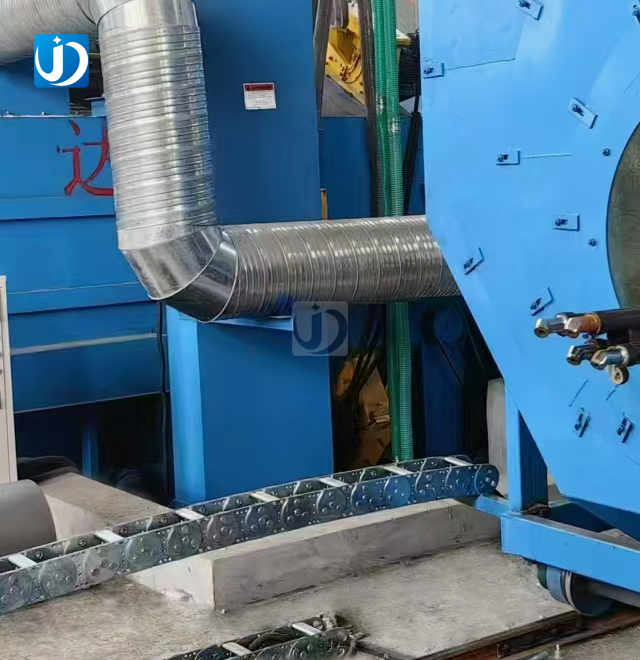
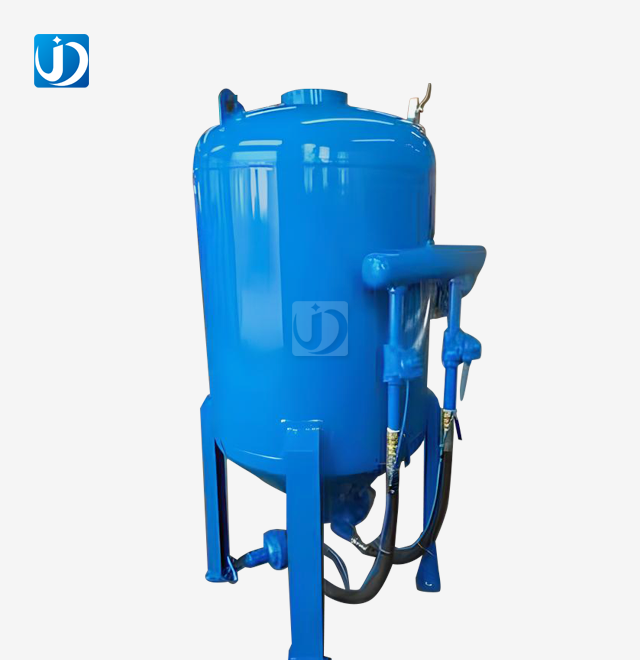
A pipe air blasting machine, which is also sometimes called a pipe shot blasting machine, is a way to treat the outside of things that are shaped like tubes. To do this, steel shot or grit is thrown very quickly at the pipe surface by centrifugal blast wheels or pneumatic nozzles. After being cleaned and shaped, the surface is now ready to be galvanized or covered with a covering that stops corrosion. The pipe blasting systems made by Junda Machinery can handle pipes that are 20 mm wide up to 3000 mm wide, for instance. Chemical pipes, oil and gas pipes, support tubes, and smooth steel pipes are all in this group.
Where These Machines Are Used Across Industries
Pipe surface blasting tools are used by companies that build pipelines, steel pipe mills, scaffold rental businesses, and chemical plant engineers. ISO 8501-1 and SSPC-SP10 say that pipes used in oil and gas projects must pass a Sa 2.5 check before they can be coated. The goal of fixing scaffold tubes is to get better value for money per meter. The Rz value of the base shape determines how long the coating lasts on chemical pipes. It's important to have a machine that can be set up in different ways because different uses need different pipe sizes and output goals.
Why Manual and Chemical Methods Fall Short?
When you brush the wire by hand, Sa 2.5 doesn't stay at that level very often. When you clean with chemicals, you make waste that is dangerous and takes a long time to break down. The surface needs to be rough (Rz 40–70 µm) for modern epoxy and FBE coatings to stick, but neither method can do that. Several studies mentioned in NACE SP0169 show that coating issues are more often caused by bad surface preparation than by poor coating quality. With a machine, this can be fixed right where it starts: with abrasive blasting.
Top Benefits of Using a Pipe Air Blasting Machine
One step in the process is to prepare the surface. It's what makes a finishing system last for five or twenty-five years. A pipe air blasting machine offers several advantages for industrial pipe surface preparation:
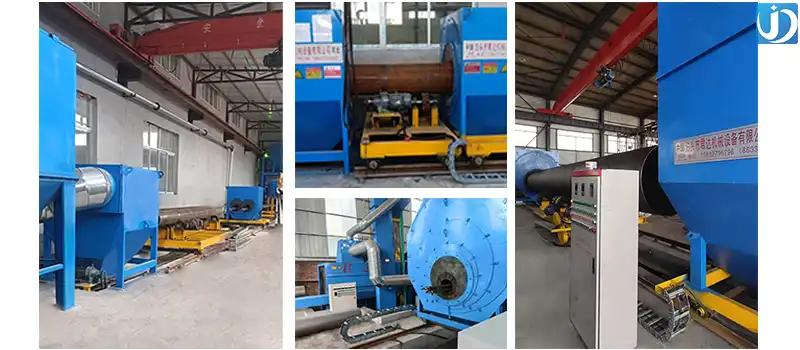
- Consistent Sa 2.5 cleanliness on every pipe: The V-shaped roller conveyor rotates the pipe as it travels forward, while blast wheels arranged in a ring formation cover the full 360° circumference. Shadow zones — the common failure point of single-direction blasting — are eliminated. Each pipe exits the machine with a verified, uniform surface profile.
- Significant reduction in labor cost and dust exposure: One automated line replaces multiple manual blasting operators. Workers are removed from direct abrasive contact. Integrated pulse-jet cartridge dust collectors capture particulate matter down to 0.5 microns, keeping emissions below 20 mg/m³ — a figure that meets most regional environmental codes in the United States and internationally.
- High abrasive recovery efficiency: Closed-loop steel shot recycling systems separate dust from reusable media and return clean abrasive to the blast wheel automatically. This reduces material consumption and keeps operating costs predictable over long production runs.
- Adaptable to different pipe sizes and lengths: Standard models handle pipe diameters from small-bore scaffold tube up to large-diameter transmission pipe. Extended-length models accommodate 12-meter pipes — a common requirement for oil and gas pre-coating yards.
How Pipe Air Blasting Machines Work to Deliver These Benefits?
The Core Mechanical Components
The blast wheel is where it all begins. Blades made of high-chromium alloy (HRC ≥ 60) make the abrasive move faster so that it makes the anchor profile that coating standards need. A blade will last between 500 and 800 hours if everything is normal. The direction control cage, or "hot spot," needs to be set up correctly. When the cage is not in the middle, the cleaning of the surface is not even.
The Operational Workflow
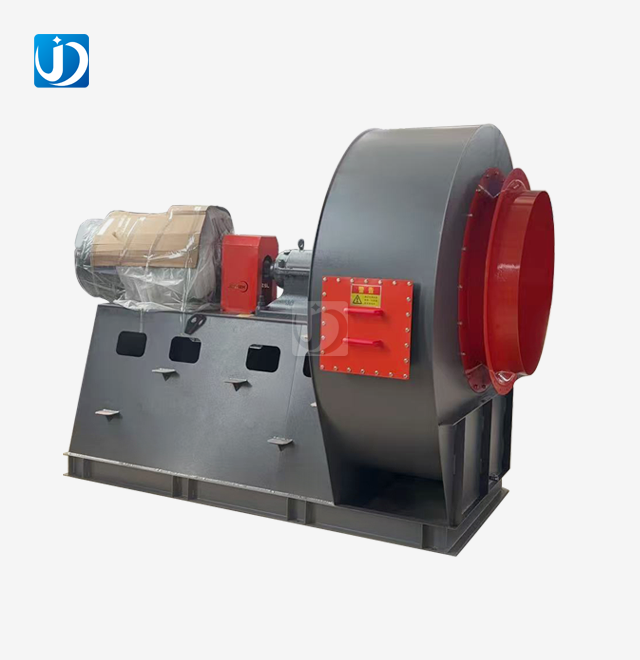
A pipe is put into the machine on V-shaped rollers that turn it and move it through the blast zone. A variable frequency drive (VFD) lets the person using it set the conveyor's speed and change the time it moves to get the right amount of rust and cleanliness. The sand and dust go through a separator after blasting is done. The cleaned shot goes back into the blast wheel's hopper, and the fine dust is sent to the filter system. The pipe can be looked at clearly or with a measure after it comes out.
Key Performance Factors
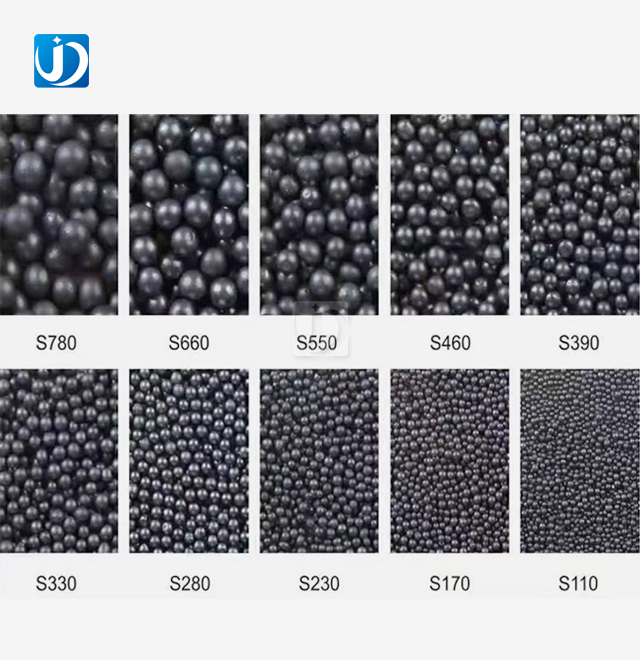
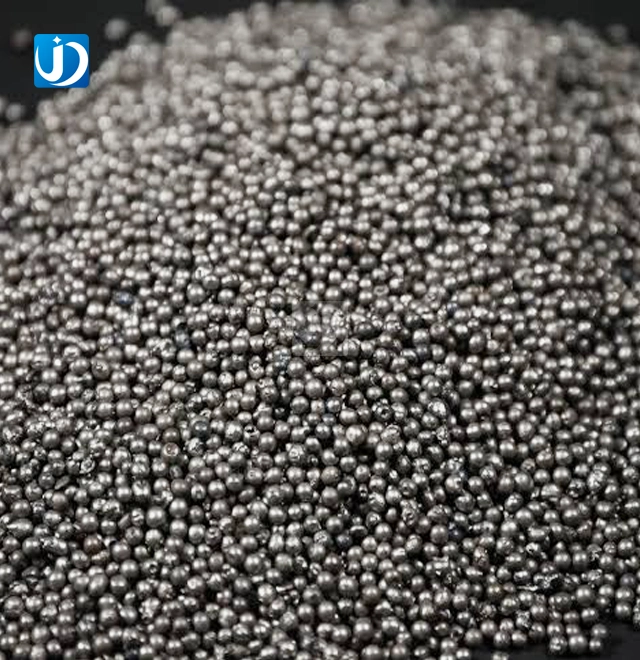
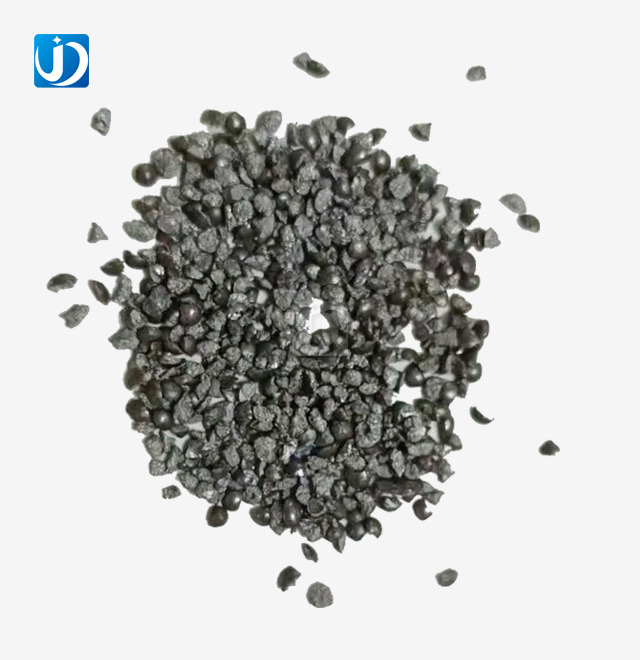
It's important to make an abrupt choice. S330 or S390 steel shot works well for general descale. If you need a finish with a higher Rz value, adding angled grit makes the anchor profile wider. The dwell time and, by extension, the level of cleanliness are closely linked to the speed of the machine. It is possible to keep the rough quality and dust pollution in check by making sure the separator and filter are in good shape.
Maintenance and Safety Guidelines to Maximize Machine Benefits
Routine Inspection Priorities
You should check the rotor, the blades, and the plates of the blast wheel for wear every shift. Liner made of high-chromium steel protect the inside of the blast box. Getting new ones before the old ones run out saves money on fixes and keeps the building from getting damaged. The machine tells you how much abrasive should be in the storage hopper. It should stay in that range when using a pipe air blasting machine.
Safety Protocols for Operators
Workers need to wear eye and hearing protection, as well as dust respirators that are rated for fine metallic particles, as part of their personal protective equipment (PPE). The steps for electrical lockout and tagout must be taken before an interior check or part repair can happen. The emergency stop buttons should be checked at the start of every shift.
Troubleshooting Common Issues
Most of the time, a hot spot that isn't in the right place or a pipe that spins at different speeds is to blame for uneven surface cleaning. Most of the time, a compartment or filter device that is worn out or jammed is to blame for too much dust inside the cabinet. By taking care of these issues quickly, you can keep production steady and avoid machinery damage.
Making an Informed Purchase: Choosing the Right Pipe Air Blasting Machine
Matching Machine Specifications to Your Project Requirements
Before you buy a machine, make sure you know the width range of the pipes, the longest pipe length, the level of cleanliness needed, and the number of pipes that need to be cleaned each hour. A standard machine can't do the job because it needs an extended-frame type that can handle 12-meter communication lines. The blast wheel's power, which can range from 7.5 kW to 75 kW depending on how it's set up, should match the pipe's width and the rate of production.
Evaluating the Manufacturer's Support Capability
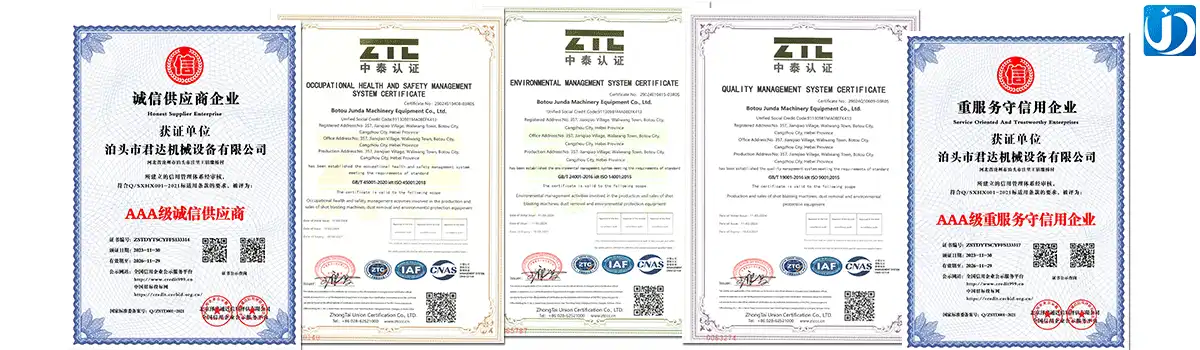
As important as the machine itself is the help you get after you buy it. Find a company that gives you English-language directions, online help with installation, and a steady supply of extra parts. It is up to the owners and outside inspectors to agree to the project, so Junda Machinery sends all the technical paperwork, such as inspection reports and quality certificates. It is made in a way that meets worldwide standards, as shown by the ISO 9001, ISO 14001, and ISO 45001 labels.
Total Cost of Ownership
One part of what something costs is how much you pay for it. How much it really costs to fix one meter of pipe relies on how often the blades are changed, how much grit is used, how much power is used, and how often the filters are serviced. Over the course of two to four years, a machine with wear parts that last longer and a higher grit recovery efficiency is often cheaper than one that needs to be repaired more often.
Conclusion
There's more to a pipe air blasting machine than just getting things done. It's what makes coatings stick and inspection results can be used again and again. Being able to respond to different pipe sizes, getting consistent Sa 2.5 readings, and controlling dust emissions all help to keep projects on schedule and lower the risk of having to do extra work. Anyone who works with steel pipes, scaffold tubes, or pipelines knows how important it is to have the right tools. Without them, a project might not pass the first inspection. To make sure that happens, the last thing you need to do is pick a maker that has strong technical support, good paperwork that has been checked, and a steady supply of spare parts.
FAQ
What pipe diameters can a pipe blasting machine handle?
Junda Machinery makes machines that can work with pipes every size from 20 mm to 3000 mm across. While the pipes are being made, the conveyors and rollers' shapes are changed to fit the range that was given. If you're not sure what size pipe you need, always ask the maker before you place an order.
How is the Sa 2.5 cleanliness level verified after blasting?
In this field, the usual way to do it is to look at photos side by side with ISO 8501-1 reference photos. With digital roughness gages, you can see how the Rz surface is shaped. You can get dry-run test data and inspection records from Junda Machinery to meet the needs of the owner or a third party.
Can the same machine process both the outer and inner pipe surfaces?
External blast wheels take care of the outside width. You need a separate hydraulic or pneumatic lance system to work on the inside of a surface. If the project needs to clean the inside, which is common for pipes that carry oil and gas, make sure the machine supplier can do it.
How long do blast wheel blades typically last?
The service life is between 500 and 800 hours when used normally with high-chromium metal blades. After that, it needs to be replaced. The blades wear out faster if there is a lot of rough material in the separator or if it isn't taken care of regularly.
What causes uneven cleaning on the pipe surface?
Most of the time, it's because the directional cage position wasn't set up right or the pipe rotation speed wasn't stable while it was being moved. Both can be fixed if the person is trained and the right setup is made.
Get a Custom Pipe Blasting Solution from Junda Machinery
June Machinery has been making pipe air blasting machines for 20 years. They are based in Botou, Hebei. For twenty years, they've been making machines that do more than run. We can help you find the best option for your flow rate goal, pipe diameter range, and Sa 2.5 documentation needs, whether you need a basic model or a one-of-a-kind setup for 12-meter pipes. You can email us at junda001@jundablast.com or visit jundablast.com for more information and a price that fits your project.
References
1. NACE International. NACE SP0169: Control of External Corrosion on Underground or Submerged Metallic Piping Systems. NACE International, 2013.
2. ISO. ISO 8501-1: Preparation of Steel Substrates Before Application of Paints and Related Products — Visual Assessment of Surface Cleanliness. International Organization for Standardization, 2007.
3. SSPC: The Society for Protective Coatings. SSPC-SP10/NACE No. 2: Near-White Metal Blast Cleaning. SSPC, 2007.
4. Keane, J.D., et al. Good Painting Practice: SSPC Painting Manual, Volume 1. SSPC: The Society for Protective Coatings, 2000.
5. Momber, A.W., and Kovacevic, R. Principles of Abrasive Water Jet Machining. Springer, 1998.
6. Chandler, K.A. Marine and Offshore Corrosion. Butterworth-Heinemann, 1985.

USER EVALUATE
Real feedback and practical experience shared by worldwide partners who purchased our machinery and environmental treatment devices.