
What is a steel shot blasting machine?
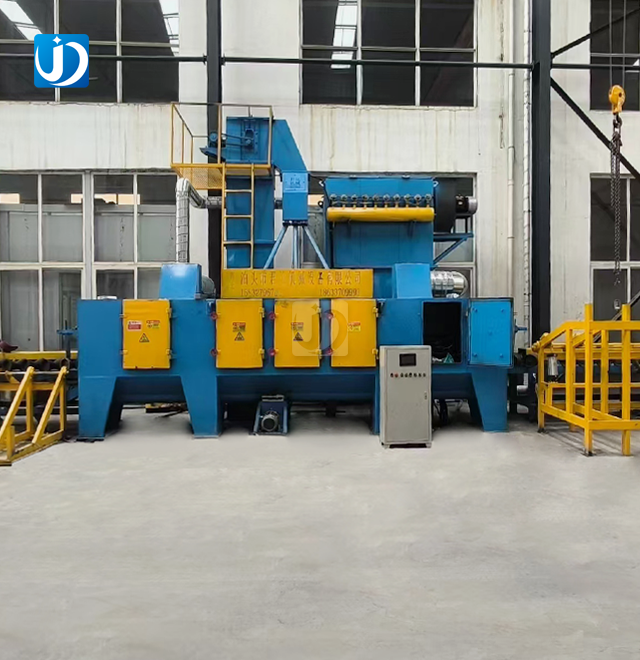
A steel shot blasting machine is enclosed industrial equipment that fires round steel abrasive at metal parts to strip rust, scale, sand, and old coatings before painting or welding. This guide answers the questions our engineering team hears every week from plant managers in Vietnam, India, Indonesia, and South Korea: how the machine works, which type fits a given part, what it costs in 2026, and how to check a supplier before wiring money. Read it once and you will know exactly what to ask before you sign a purchase order.
What Is a Steel Shot Blasting Machine?
Definition and Operating Scope
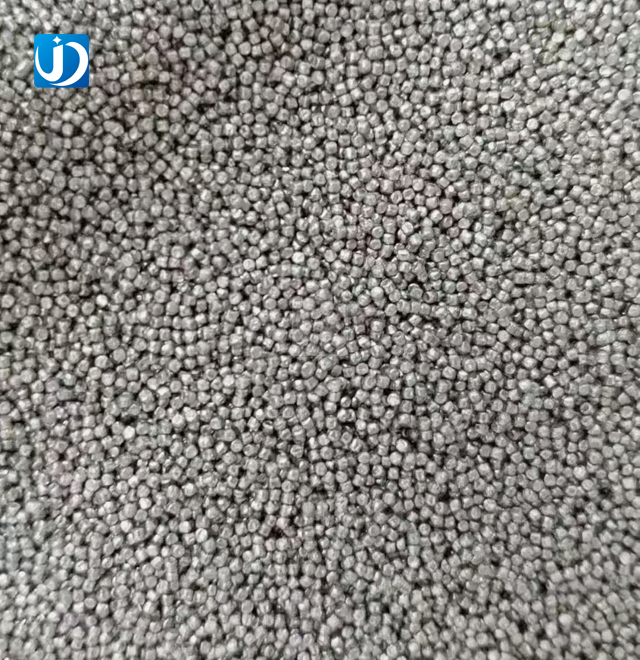
A "steel shot blasting machine" is a closed piece of gear with one or more blast wheels. Each wheel spins very quickly and throws (the "shot") small round pieces of steel onto the surface of a part. It gets rid of rust, mill scale, casting sand, and old paint without chemically breaking them down.
This kind of machine does five main jobs for plants. They clean pieces that have been cast or forged right out of the mold. They remove the mill dust and rust from the steel before coloring it. They get the surface ready so that the primer and finish will stick and not come off in six months. A uniform look is given to the parts before they are sent to a customer. Some tools use controlled shot peening to make springs and gears last longer when they are designed and tested to do so.
What It Is — and Is Not
Blasting, peening, and sandblasting are words that people often mix up. They're connected, but not the same process, and it's very bad when they get mixed up in a buy order.
| Equipment or process | Primary purpose | Typical abrasive |
|---|---|---|
| Steel shot blasting | Cleaning and surface preparation | Spherical cast or cut steel shot |
| Shot peening | Controlled compressive stress improvement | Carefully sized and controlled shot |
| Sandblasting / abrasive blasting | Surface cleaning or profiling | Mineral, metallic, or synthetic abrasive |
| Tumbling | Contact-based deburring | Ceramic or plastic media, sometimes no stream at all |
Anyone who sells you a standard steel shot blasting machine should never call it a shot-peening system without being able to show you validated intensity data and Almen-strip test results. If a price says that the work will be done without that papers, make sure you get it before you pay.
How a Steel Shot Blasting Machine WorksThe Step-by-Step Blasting Process
Blasting with any machine follows the same sequence. Load parts by hand or belt. Room door locks when closed. Air pressure doesn't spin the blast wheel and fire steel shot at the tool. Rust, scale, and sand may be shot off. Used abrasive and other trash fall via a grate into the recovery hopper. Separators separate excellent photos from dust and damaged ones. Good shots return to a waiting bin. Dust particles in the room are caught by the dust catcher before reaching the working floor. These elements are removed for inspection following the rotation.
Main Process Variables That Affect Results
Clean and smooth or rough and lumpy batches depend on many factors. Shot power relies on wheel speed and motor strength. Shot size, hardness, and flow rate affect clean difficulty. Coverage depends on portion duration and movement. Corners and recesses may be overlooked depending on wheel placement and angle. Loading density matters too. Too many pieces will block the shot from reaching concealed areas. Your monthly grit cost depends on how effectively your separator works and how much excellent shot it wastes.
Case Study: Cutting Rework by 32% at a Vietnamese Steel Structure Plant
An early 2025 medium-sized steel structure builder in Bac Ninh, Vietnam, approached us with a major issue: their coating subcontractor returned around one in five painted beams that didn't stay. The previous machine only worked in one setting for thin or rusted parts.
We switched the client to a steel shot blasting machine with a roller hopper and a PLC recipe system that controlled the wheels' speed. They don't have to guess anymore; instead, they pick a saved program based on how thick and bad the rust is on the part. With the help of their own production logs, which they gave our team, the plant saw a 32% drop in coating-adhesion repair tickets and an 18% drop in shot consumption per tonne processed over the course of 90 days. According to their quality manager, the change wasn't because of how skilled the operators were on any given shift. It was because of how well every run was covered.
How We Verify Quality After Each Run?
Claim uniformity without proof. To ensure the coating adheres, take before and after photos, grade the surface's cleanliness relative to a standard, and measure its roughness. Trial sections should be run at production speed, not a sluggish demo pace. Write down the machine settings after each test so another shift can receive the same results.
Main Types of Steel Shot Blasting Machines
Tumble Belt, Drum, and Rotary Table Machines
| Machine type | Suitable parts | Strengths | Limitations |
|---|---|---|---|
| Tumble belt | Small to medium castings, bulk parts | High batch output, wide exposure | Poor fit for fragile or tangling parts |
| Rotary table | Individual components, repeat batches | Controlled positioning, easy inspection | Less flexible for very large parts |
| Drum type | Small components, foundry parts | Compact footprint | Part-on-part contact can mark surfaces |
This type of batch machine works best in a plant that makes a lot of different small parts instead of one big one.
Hanger, Roller Conveyor, and Continuous Systems
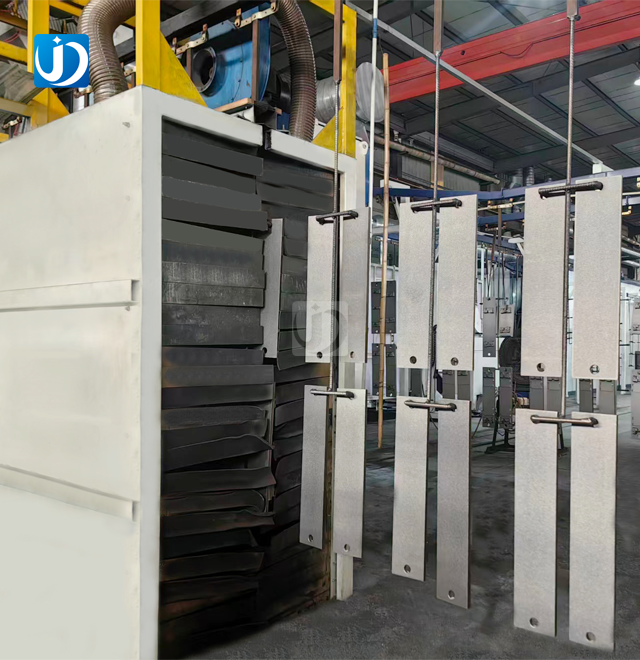
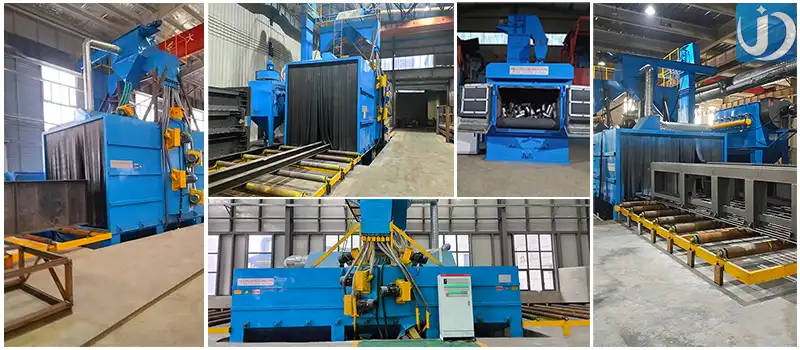
A hanger machine is good for big or fragile parts like engine blocks, gearbox housings, and structural nodes because the parts hang separately and don't touch each other very often during the cycle. This type of machine moves steel plates, beams, and profiles along rollers inside a room instead of letting them sit in a lot drum. Continuous inline steel shot blasting machine systems work well in foundries and steel service centers that handle a lot of steel every day. Loading, blasting, and emptying all happen on the same line, instead of in separate steps.
Automatic Versus Manual Machines
Few specs alter job cost and uniformity as much as this one. Handloading works for flexible workers and low-volume businesses. For mid-volume runs with the same component families, semi-automatic indexing works effectively. High-volume organisations with many employees who come and go might struggle to match human precision. Good options include robotic loading and PLC-controlled continuous operation. Larger OEM purchasers increasingly need traceability during audits. Weighing, barcode tracking, and production recording aid. Use your takt time and floor space to determine your automation level, not a selling brochure.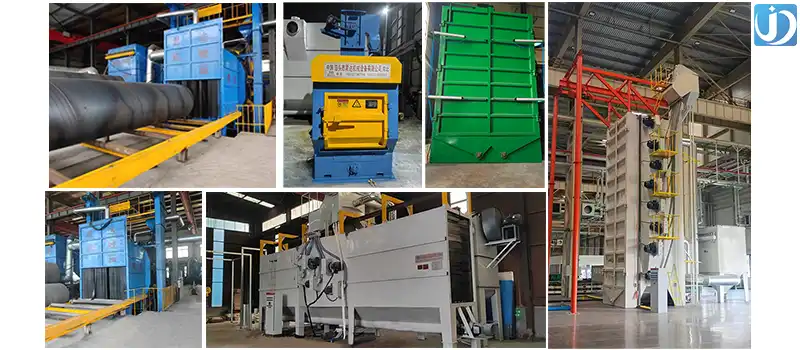
Steel Shot Blasting vs Sandblasting: Key DifferencesMaterial, Surface, and Operating Comparison
| Factor | Steel shot blasting | Sandblasting / mineral abrasive |
|---|---|---|
| Abrasive shape | Round metallic particles | Often angular mineral or synthetic media |
| Reusability | High with a good separator | Depends heavily on media type |
| Surface effect | Cleaning plus mild peening effect | Cleaning with a stronger surface profile |
| Dust output | Lower in an enclosed recovery system | Often higher, especially with friable media |
| Common use | Castings, plates, forgings, structural steel | Coating removal, repair, specialty jobs |
When Steel Shot Is the Better Choice
Steel shot is superior for cleaning ferrous metals, foundry sand, and other operations where reusing an abrasive saves money. Round particles flow effortlessly through motorised separators, but rough mineral media sticks to screens faster, making it ideal for mechanised manufacturing processes.
Risks of Choosing the Wrong Process
The improper grinding method could cost you in the long term. Surfaces with rough media may make thin coatings cling poorly. Media remnants create adhesion issues months after painting. Silica-based media raises health concerns, while steel shot doesn't. The solution is simple: test blast, inspect the surface under the actual coating standards, and write down the acceptance criteria before ordering a complete production run.
Which Metals and Parts Suit Steel Shot Blasting?Suitable Materials and Components
A lot of different types of iron work can be shot-blasted with steel using a steel shot blasting machine. This includes structural steel plates, beams, and channels; cast iron pump housings and machinery parts; carbon steel forgings; auto suspension and chassis parts; welded fabrications; and some aluminum castings when the operator slows down the wheel and uses finer shot. When working with thin sheets, precisely machined parts, or shapes that are easily broken, you should always ask your seller to run a sample before you commit to a full batch.
Three Procurement Use-Case Scenarios
Buyers approach this transaction differently depending on their company model. Repeatable cycle time, robotic loading, and item readiness for coating are key for creating OEM parts. Distributors and equipment resellers need customisable platforms, multilingual manuals, and always-available replacement parts. The most significant factors in a foundry or fabrication facility are robust construction, simple maintenance, and abrasive recovery to maintain monthly expenses.
Application-Specific Test Questions
Ask your vendor for a few things in writing before signing. Ask about the machine's maximum and minimum part sizes, batch weight, and part materials and hardnesses. Ask about hourly flow, cleanliness grade, acceptable part-to-part contact, and price quote-assumed loading technique. Things usually alter after ambiguous responses.
Steel Shot Blasting Machine Price Range in 2026
What Determines Machine Price?
Size of chamber, number of blast wheels and their motor power, maximum batch weight, automation level, dust collector size, and separator design determine machine costs. Electrical standards in your nation, installation assistance, and export packaging increase the landing cost. Due to wheel count and control layout, two machines that seem the identical in a brochure might cost 30% different.
Price Ranges by Machine Category
Instead of giving you a single number, prices for a steel shot blasting machine usually break down by group. You should always check with your provider for the most up-to-date numbers, though, since specs change from project to project.
| Machine category | Price driver | Capacity basis | Typically included | Typically excluded |
|---|---|---|---|---|
| Compact batch machine | Chamber size, single wheel | Parts per batch | Machine, standard controls | Freight, installation |
| Tumble belt / rotary table | Wheel count, batch weight | Batch weight, cycle time | Chamber, wheel, recovery system | Automation add-ons |
| Hanger / conveyor system | Handling automation | Parts per hour | Handling plus blasting system | Building work, integration |
| Custom production line | Full engineering scope | Line takt time | Engineered full system | Site utilities, civil works |
Total Cost of Ownership
Price is merely one element of the maths. Save money each month on steel shot, cases, blast wheel worn parts, and filter cartridges. Add electricity, loading/unloading labour, and preventive maintenance hours. Freight, customs fees, installation, and user training make up the first-year cost. Southeast Asian purchasers often pay 15–25% more than the machine's stated price.
Procurement and Quotation Checklist
Ask for the complete scope in writing before accepting a quotation. Request a thorough description of technical requirements, cycle-time assumptions that support the throughput claim, and utility power and compressed air demands. Check the Incoterm, shipping country, packing method, payment arrangements, and firm manufacturing lead time. Written confirmation of the guarantee period and what it doesn't cover, together with a list of replacement parts and optimum stock levels for the first two years of company. If the vendor won't write down these details, beware.
Steel Shot vs Aluminum Oxide vs Glass Bead Media
Media Comparison at a Glance
| Media | Shape and behavior | Typical use | Advantages | Limitations |
|---|---|---|---|---|
| Steel shot | Round, reusable | Heavy-duty cleaning, peening | High impact, long life, low waste | Can damage thin or soft parts |
| Aluminum oxide | Angular, aggressive | Coating removal, profiling | Strong cutting action | Higher dust and media use |
| Glass bead | Round, gentle | Cosmetic finishing | Even satin finish | Slower on heavy scale |
Steel Shot Media Selection Guide
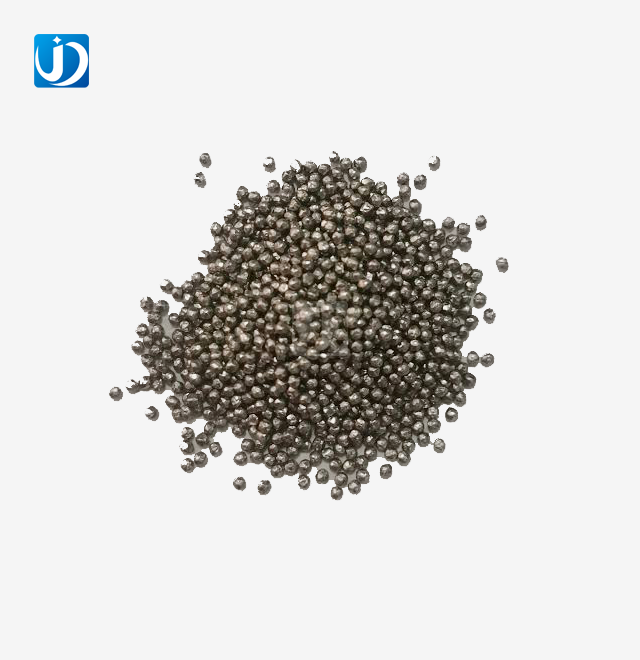
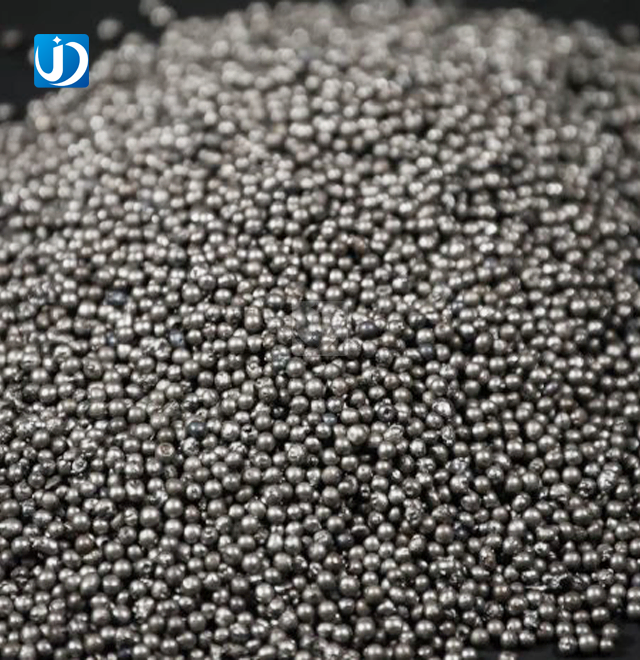
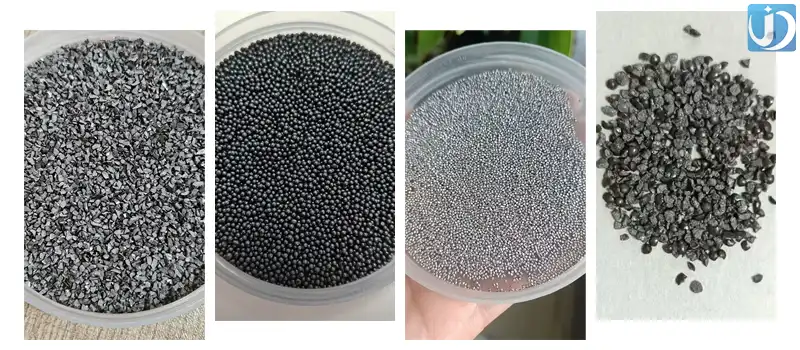
Steel shot blasting machine shot grades depend on particle size, hardness, and metal content. New shot cuts faster but costs more per kilogram. Used and conditioned shot frequently finishes better for less money. If your shots aren't the right size and hardness for your separator, you'll clog the recover screen or trash excellent shots in the dust stream. Most suppliers base quotations on ISO 11124-3 and SAE steel abrasive size and hardness band standards. Check with your supplier for the latest information before ordering.
Abrasive Consumption and Replenishment
Shot consumption measures impact damage, separator performance, dust extraction, and door shot leakage. Plants may spot separator issues before they become month-end budget overruns by tracking how much abrasive they apply every hour. They say this single monitoring habit is the easiest method to identify a broken divider before it costs money.
Typical Cleaning Rates and Throughput
How Throughput Is Calculated
Multiply the number of handled pieces or batch weight by cycle time to determine throughput. This time covers loading, blasting, unloading, and checking, not just blast wheel minutes. Suppliers that quote throughput based on blast time provide a high figure that doesn't match shop floor data.
Capacity Comparison Factors
When comparing machines, go beyond tonnage. Check the batch size, weight, parts per hour, and square meters cleaned per hour for plates or profiles. Consider the blast wheels' power, number, how the part sits within the chamber, and how long it takes to load and unload your parts, not a sample.
Trial-Blast Acceptance Criteria
Before buying a machine, put down the target cleanliness, highest permitted residual scale, acceptable surface roughness, maximum cycle duration, and abrasive quantity per tonne of material handled. Sharing a cleaning rate without providing part form and contaminants is practically worthless. Never accept a number without asking what caused it.
Safety Measures and Dust Extraction Requirements
Core Machine Safety Controls
A well-made steel shot blasting machine comes with a number of safety features that can't be skipped. Some of these are interlocked doors for entry, emergency stop circuits, guarding around all four wheels, and built-in overspeed security in the wheel drive. Safety controls for noise, lockout/tagout processes, and safe entry for repair workers make up a good safety package. Personal safety equipment and training for users are just as important as the hardware itself, because even a well-guarded machine can hurt people who don't follow basic steps.
These controls keep your workers safe and your production plan on track. This is important because a production stoppage due to an injury costs a lot more than the safety features that would have stopped it.
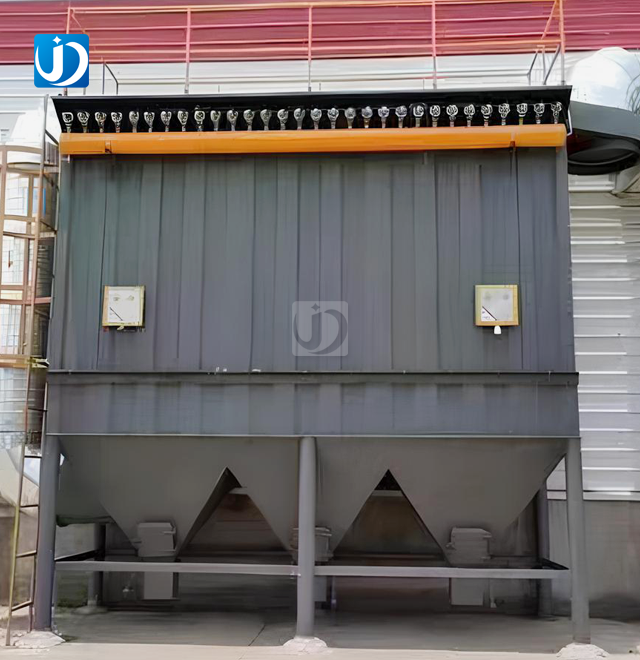
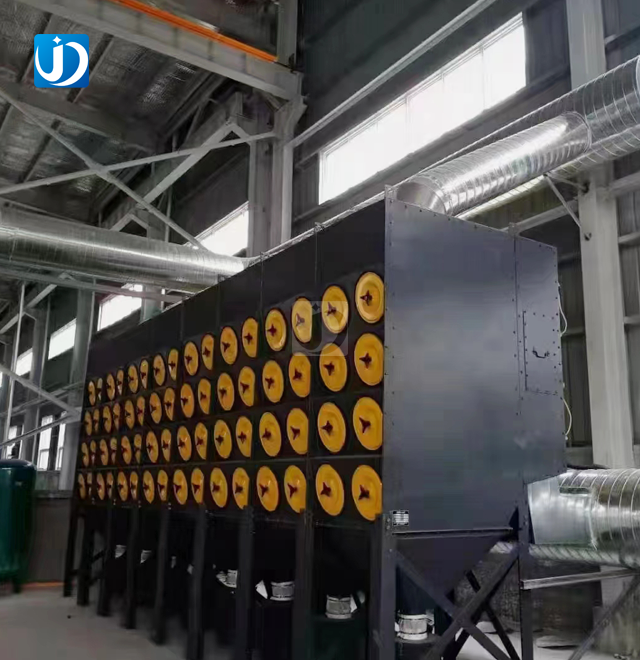
Dust Collector and Airflow Requirements
Dust collectors must manage airborne fines, and the chamber must maintain negative pressure to prevent dust from entering the workplace. Ask your provider to measure airflow, static pressure, filter type and grade, and collector housing spark or fire-risk controls. Maintenance should include duct leak checks and filter replacements from the start, not after the first breakdown.
Compliance Documentation
Depending on the jurisdiction, you may require an EU Declaration of Conformity, ISO 12100 risk assessment, CE conformity documentation, or electrical test reports. UL or CSA-approved parts may be needed for North American installations. The materials and electronics components must be REACH and RoHS-certified. Only when used in a regulated procedure for food, medicines, or medical devices must a metal blasting equipment be FDA-compliant.
How to Choose Your First Steel Shot Blasting Machine and Evaluate Supplier Capability?
First-Machine Selection Checklist
Starting with your part is wrong. First, determine the part's material, size, weight, and form. Limit batch size, manufacturing pace, and cleanliness to what your consumer desires. Next, match numbers to hanger, drum, tumble belt, table, or conveyor layouts. Finally, ensure the floor space and building height are suitable. Before requesting a price, specify where the dust collector will go, how often it will be used, how many shots you intend to use, and how simple maintenance will be.
Supplier Capability Evaluation
Not every provider that says they can make something actually can. When looking at different choices, use a simple scorecard:
| Evaluation criterion | Evidence to request |
|---|---|
| Engineering capability | Layouts, calculations, drawings, reference projects |
| Process performance | Trial-blast report, cycle-time data |
| Manufacturing quality | Inspection plan, weld-quality controls |
| Compliance | Risk assessment, conformity documents |
| Delivery reliability | Production schedule, packing plan |
| Service support | Manuals, spare-parts list, remote support |
If a supplier can show proof for every row in this table, you should really talk to them. Someone who can only offer business pictures is not.
About Junda Machinery
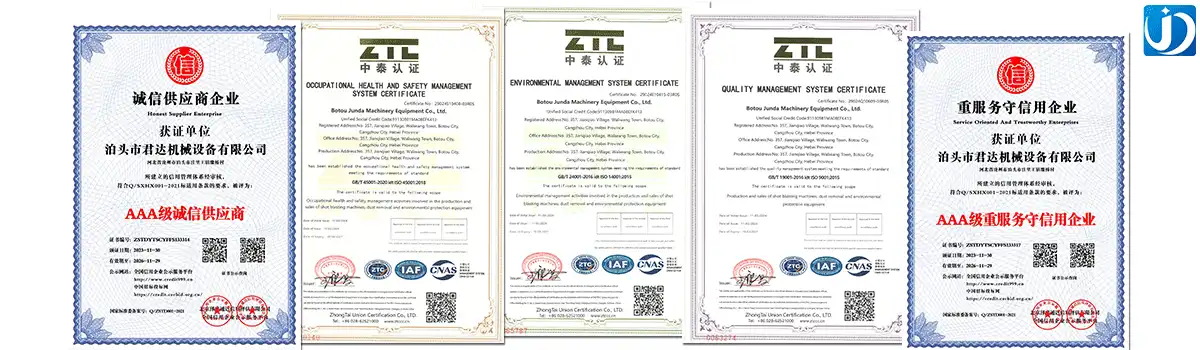
Junda machines is situated in Botou, Hebei Province, a long-time Chinese hub for casting machines and dust-control equipment. Our team has designed and built steel shot blasting devices for 20 years. We have ISO 9001, ISO 14001, and ISO 45001 certifications, two utility model patents, and seven software copyrights for PLC control systems and intelligent dust tracking. Standard machines leave our facility in 15 days, and we answer technical queries in 6–8 hours, which is crucial when you need to cover an output gap rapidly to fulfil a client deadline.
Quality Verification, Commercial Terms, and Common Pitfalls
Compare quotation machine dimensions and liner material against real ones before accepting delivery. Check blast wheel balance and motor parameters, and utilise real-world trial data to validate separator performance. Before the machine ships, check the dust collector airflow, electrical part ratings, and factory acceptance test results. Before placing a deposit, a documented specification and sample practice run may help you prevent capacity claims that are too low, ambiguous scope that leads to modification orders, and logistics costs that are too high due to confusing Incoterms.
Conclusion
In a protected area, a steel shot blasting machine uses fast-moving steel grit to clean, prepare, or condition metal parts. It depends on the shape of the part, the weight of the batch, the finish that is needed, the amount of automation, and the rules that must be followed in the final target country. Don't just look at the price on the quote; before you make your first purchase, compare trial-blast results, real throughput numbers, total ownership cost, and the quality of the supplier's documentation.
FAQ
What is a steel shot blasting machine used for?
It removes rust, mill scale, foundry sand, and old paint from metal parts. It also prepares surfaces for coating and, when properly engineered, supports controlled shot peening for fatigue improvement.
How does a steel shot blasting machine work?
A spinning blast wheel throws steel shot at the workpiece using centrifugal force. The machine then recovers reusable shot, separates out dust and broken particles, and sends clean media back to the wheel.
What is the difference between steel shot blasting and sandblasting?
Steel shot blasting uses reusable round metallic media and suits high-volume industrial cleaning. Sandblasting typically uses angular mineral media, gives a stronger surface profile, but often creates more airborne dust.
Which steel shot blasting machine works best for castings?
Tumble belt machines suit small and medium bulk castings well. Hanger machines fit large or delicate castings better since parts hang separately and avoid contact damage during the cycle.
Can aluminum castings go through a steel shot blasting machine?
Some aluminum castings can run through with fine, low-impact shot and reduced wheel speed. Always run a trial first, since excess impact energy can deform or embed media in softer aluminum surfaces.
How much does a steel shot blasting machine cost in 2026?
Cost depends on machine type, capacity, automation, dust extraction size, and delivery location. Get an itemized quote based on your actual part samples, throughput target, and shipping terms rather than a general estimate.
Ready to Configure Your Steel Shot Blasting Machine?
Guessing at specs wastes budget and delays your production line. Send us your part drawings, target throughput, and destination country, and our engineers at Junda Machinery will build a configuration recommendation with real numbers — not a generic brochure spec. As a steel shot blasting machine manufacturer with two decades of production history, we back every quote with trial data and a written warranty. Reach our team directly at junda001@jundablast.com.
References
1. International Organization for Standardization, ISO 11124-3:2018 — Metallic blast-cleaning abrasives, Cast steel shot and grit, cited in the media selection section above.
2. International Organization for Standardization, ISO 12100:2010 — Safety of machinery, Risk assessment and risk reduction, cited in the compliance documentation section above.
3. Occupational Safety and Health Administration, 29 CFR 1910.94 — Ventilation, Abrasive Blasting, cited in the safety measures section above.
4. European Commission, Regulation (EU) 2023/1230 on Machinery, cited in the compliance documentation section above.
5. U.S. National Institute for Occupational Safety and Health, NIOSH Guidance on Abrasive Blasting and Dust Exposure Control, cited in the dust extraction section above.
About the Author
Michael Chen is a Shot Blasting Equipment Engineer with over a decade of hands-on experience designing and commissioning surface-preparation systems for foundry, structural steel, and automotive component plants across Asia. He has led machine trials, throughput audits, and dust-system upgrades for export clients throughout Vietnam, India, and Indonesia, and writes on abrasive blasting technology to help procurement teams make evidence-based equipment decisions.

USER EVALUATE
Real feedback and practical experience shared by worldwide partners who purchased our machinery and environmental treatment devices.