
Blast Wheel: Complete Guide to Types, Functions, and Applications
A blast wheel is the core rotating component inside a centrifugal shot blasting machine. It accelerates abrasive media — steel shot, steel grit, or cut wire — at high velocity and directs it onto a workpiece surface to clean, descale, or strengthen the metal. As one of the most frequently replaced wear parts in surface treatment equipment, selecting the right blast wheel directly affects machine performance, part longevity, and production consistency. This guide covers everything procurement managers and engineers need to know about blast wheel types, working principles, and real-world applications.
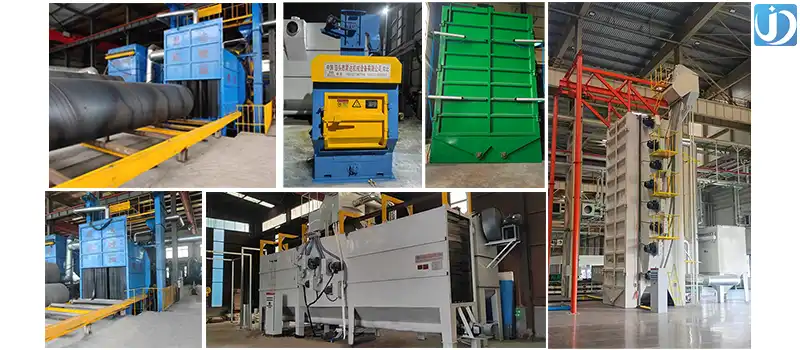
Understanding Blast Wheels – Types and Fundamental FunctionsWhat Is a Blast Wheel?
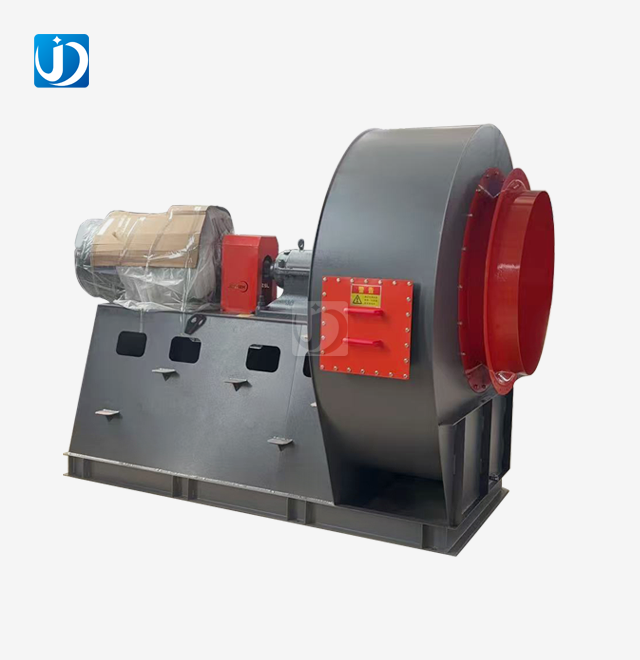
Some very fast impellers work together to move rough bits toward a surface. This is called a blast wheel. A propeller, a control cage, and blades, which are sometimes called paddles, are the main parts that make it up. There are two types of blades: standard cast iron and high-chromium cast iron. The main part that wears down is the standard cast iron blade. Speeds range from 2,200 to 3,000 RPM, which keeps the machine turning and lets it make surface patterns that meet standards such as Sa 2.5 or Sa 3.0.
Centrifugal vs. Airblast Wheels
To throw rough materials into the air, centrifugal blast wheels use mechanical rotation. They use a lot less energy than airblast systems that use compressed air because of this. Airblast tools use compressed air, which means they need a lot more power to move each unit of abrasive. Being able to make more things at once and for less money, centrifugal wheels are better for high-volume industrial processes like building ships, cars, or steel structures.
Common Blast Wheel Models and Compatibility
Different machine makers use different ways to set up attachments. A lot of people call these models 034, Q034, and Q030. These numbers show how big the interface should be and what its rules are. If the model isn't right, it could make it fit wrong, shake, or wear out faster. The blast wheels made by Junda Machinery are made to work with a number of OEM machine systems. Two utility model patents back up the fact that they work with machines of different types.
How Blast Wheels Work: A Systematic Approach to Problem-Solving
The Mechanics of Abrasive Projection
It is picked up by the spinning impeller and sent to the blades when rough material comes in through the hole in the control cage. The media is sent out quickly by centrifugal force, and it is sent out in a controlled blast pattern. The "blast window" can face any direction because of where the control cage is set. Which way the coverage is spread out and how clean the surface is directly depend on this throw pattern. It also determines how deep the anchor profile goes.
Common Performance Problems
When used in production, two main things that cause blast wheels to break are worn blades and uneven movement. Most blades made of regular cast iron last between 200 and 400 hours. Too much shaking in a machine because it isn't balanced wears out its bearings faster and messes up other steps in the process. Contaminated abrasive media, such as dust, fines, and broken bits, lowers the surface quality and speeds up blade wear, so they need to be replaced more often.
Optimization Through Material and Balance
High-chromium metal blades (Cr18 or Cr27 grade) last three to five times longer than regular cast iron blades when used the same way. When dynamic balancing is done to a limit of G6.3 or higher, shaking is a lot less, and the machine works better. Maintenance plans went from once a month to three times a year at foundries and factories that make heavy equipment that made this change.
Blast Wheel Features and Advantages Compared to Other Surface Treatment Tools
High-Speed Centrifugal Technology
Centrifugal blast wheels operate at consistent rotational speeds without pressure fluctuation, which is a known drawback of pneumatic systems. This gives operators predictable, repeatable surface profiles across large batch runs. In automotive die-casting and aerospace forging lines, surface consistency directly affects coating adhesion and fatigue resistance — two quality metrics where blast wheels outperform air-driven alternatives.
Cost and Scalability Advantages
Here are the core performance advantages that distinguish centrifugal blast wheels from competing surface preparation methods:
- Energy efficiency: Centrifugal systems consume significantly less power per kilogram of abrasive thrown compared to compressed-air blasting, reducing long-term operating costs for high-volume facilities.
- Throughput capacity: A single blast wheel handles hundreds of kilograms of abrasive per minute, enabling continuous multi-shift operation without the volume limitations of nozzle-based systems.
- Wear part economics: Modular blade and liner designs allow targeted replacement of worn components rather than full wheel assembly swaps, lowering total maintenance expenditure per production cycle.
These advantages are particularly relevant for MRO distributors and OEM machine builders sourcing blast wheels for fleet-scale deployments, where cumulative savings across multiple machines are significant.
Integration With Automated Production Lines
Modern centrifugal blast wheels integrate with PLC-controlled shot blasting machines, allowing operators to monitor wheel speed, abrasive flow rate, and blade wear data in real time. Junda Machinery supports this through proprietary software systems including a Shot Blasting Machine Data Acquisition and Analysis System and an Intelligent Shot Blasting Machine Management and Control System — both covered under its 7 software copyrights. This automation layer reduces manual intervention and supports consistent ISO 8501-1 surface quality output.
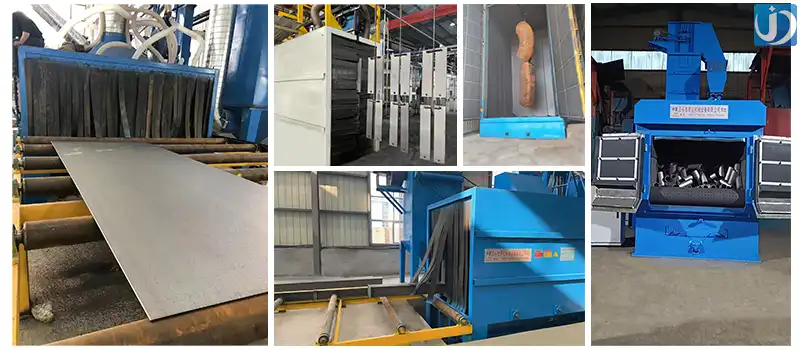
Choosing the Right Blast Wheel Solution: Decision Support for Procurement ManagersMatching Model to Machine Platform
It is important to make sure that the blast wheel's measurements will fit the host machine before you buy it. Some of the most important factors are the width of the blades, the size of the impeller bore, the pattern of the housing bolts, and the direction of the control cage. The engineering team at Junda can cross-reference models for machines made by different companies. Before placing an order, this helps the people in charge of buying make sure that the machines will fit. Before you buy new blast wheels or custom wheels for tools that are already in use, make sure you know this.
Material Grade and Operating Environment
Black iron blades will work for light duty or occasional use. When you need to clean construction equipment, foundries, or other places where work needs to be done all the time, high-chromium alloy blades are the best choice. If you work in a chemical plant or on surfaces that come into contact with food, you may need stainless steel or alloys that don't rust. When these things happen, Junda can change the materials it uses, and its ISO 9001 quality control system lets it keep track of each batch of materials.
Supplier Evaluation Criteria
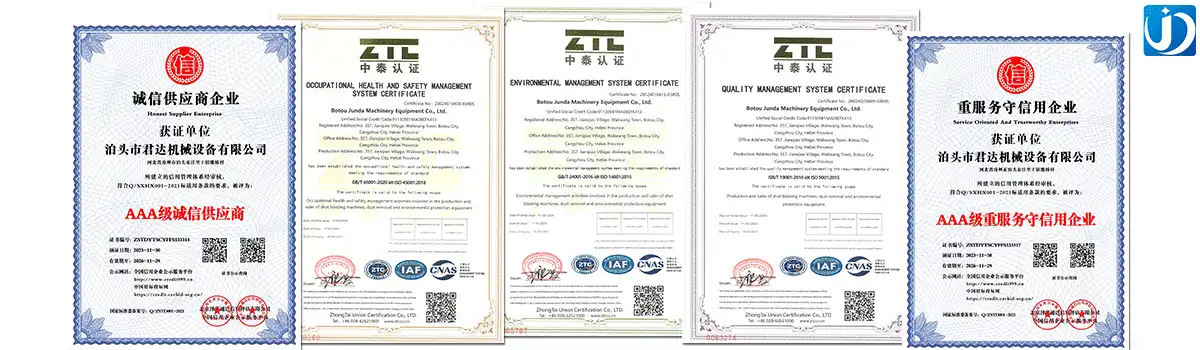
When choosing blast wheel suppliers, procurement teams should look at four things: how accurate the measurements are and how many models are available; the dynamic balance certification; the ability to find the material used in the blades; and the availability of spare parts after the sale. Since 1998, Junda Machinery has been making things. They are ISO 9001, ISO 14001, and ISO 45001 approved, and they keep a stock store for quick restocking processes. OEM and ODM customers can ask Junda's production team to make dynamic balance reports that meet G2.5 standards, as well as custom packaging and brand stamping.
Procurement and Maintenance Essentials for Blast WheelsProcurement Planning for Replacement Cycles
Blast wheels are components that wear out quickly. Every 200 to 1,200 hours, a machine with 4 to 8 fixed blast wheels will need new blades. This depends on the type of grit, the grade of the material, and the job cycle. How many tools they have and how many hours a week they run should help purchasing teams decide how much to stock. At Junda, they answer customer questions in 6 to 8 hours, and custom blast wheel orders usually take about 15 days to arrive.
Maintenance Best Practices
Regular checks are the most cost-effective way to keep something in good shape. Every 200 hours of use, maintenance teams should look at the wear patterns on the control cages and the thickness of the blades. Once a month, they should check the dynamic balance and replace the abrasive media filters as needed. Customers from other countries can get English-language operation manuals, maintenance videos, and technical support over the internet from Junda. There is on-site engineer help from outside the country if needed.
Warranty and After-Sales Support
Junda Machinery backs up all of their tools with a full guarantee and always has original spare parts on hand. What the warranty covers, how to get more information, and how to upgrade are all made clear during the sales process. And this is very important for OEM customers from other countries who need ISO-compliant documentation packages for their own quality systems and to follow export rules.
Conclusion
There isn't a standard blast wheel. Instead, there is a precise one that determines how long a machine works, how well the surface is finished, and how much it costs to run the whole thing. Make sure the sizes fit, you know how fast the blades wear down, and the balance standards are met before you choose the right model, material, and source. Buyers and OEM engineers can trust Junda Machinery to provide both standard and custom blast wheels. They have a large selection of products, designs that are protected by patents, and a manufacturing process that is ISO-certified. To start the evaluation process, get in touch with them through jundablast.com.
FAQ
What blast wheel models does Junda Machinery offer?
There are basic types of Junda blast wheels, like the 034, Q034, and Q030. There are also other styles to fit different types of machines. The tech team will help with cross-referencing before they confirm an order to make sure the software will work with certain host machines.
How often should blast wheel blades be replaced?
How long a blade lasts depends on what it's made of and how often it's used. Standard cast iron blades need to be changed about every 200 to 400 hours. If you use high-chromium alloy blades, this time can be extended to 800 to 1,200 hours or more, which means that your machine will be down much less often.
Can blast wheels be customized for special environments?
Yes, Junda can make materials that can withstand high wear, don't rust, and are safe for food. Changes to the housing size, the grade of the blade alloy, and dynamic balance certifications to the G2.5 standard can be made for OEM buyers who need exact paperwork.
How does dynamic balance affect machine performance?
Vibrations caused by poor dynamic balance can make the surface finish less consistent and speed up bearing wear. The standard variations for Junda's blast wheels are taken into account. You can ask for G2.5 balance records for uses that need to be 100% accurate.
Request a Blast Wheel Quote From Junda Machinery
Machine builders, MRO distributors, and foreign companies from all over the world buy blast wheel kits from Junda Machinery. They buy standard models, high-chromium wear parts, and brand-new OEM designs. Because Junda has been in business for 20 years, has ISO certifications, and has its own tracking tools, it can guaranty quality and short wait times. To find out more about the team, get samples, or get a price quote for buying in bulk, email them at junda001@jundablast.com or visit jundablast.com.
References
1. Wheelabrator Group. Shot Blasting Technology and Equipment Design Standards. Industrial Surface Treatment Review, 2019.
2. Society for Protective Coatings (SSPC). Surface Preparation Standards: SP-5, SP-10, SP-6. SSPC Publications, 2021.
3. ISO 8501-1:2007. Preparation of Steel Substrates Before Application of Paints and Related Products. International Organization for Standardization, 2007.
4. American Foundry Society. Abrasive Blast Cleaning of Castings: Process Parameters and Equipment Selection. AFS Technical Series, 2018.
5. Plaster, H.J. Blast Cleaning and Allied Processes. Industrial Newspapers Ltd., 1972.
6. European Committee for Standardization. EN ISO 11124: Preparation of Steel Substrates — Specifications for Metallic Blast-Cleaning Abrasives. CEN, 2018.

USER EVALUATE
Real feedback and practical experience shared by worldwide partners who purchased our machinery and environmental treatment devices.