
How Industrial Dust Extraction Equipment Helps Control Workshop Dust
Industrial dust extraction equipment is a straight way for shops that do shot blasting, sandblasting, and grinding to get rid of mixed dust in the air before it affects people or the environment. These systems clean the air in the workshop so it meets local emission standards by forcing dirty air through ductwork and filter media that were made just for them. In the US, this could mean the EPA's safe exposure limits. In other places, it could mean rules that are similar to those in the US. To start, people who make equipment, work as engineering contractors, or buy OEM parts need to know how dust collection technology works. At the same time, this will help them pick a system that keeps people, tools, and compliance records safe.
Understanding Workshop Dust and Its Impact
Factory dust is not just one thing. What your production line does changes what it is made of, how dangerous it is, and the size of the particles.
What Workshop Dust Actually Contains
When you sandblast or shot blast, you get rid of broken up abrasive media, rust bits, mill scale, and base-metal fines. You add small pieces of metal when you grind. All of these things make dust that is less than 10 microns wide and safe to breathe in. They are very small, so the body's defences can't stop them. They can get stuck deep in lung tissue.
Health and Equipment Risks
If you breathe in metal dust for a long time while using abrasives that contain silica, OSHA says you could get silicosis, COPD, and other dangerous lung diseases. Particles that are small and rough get into control screens, gears, and bearing housings. This speeds up wear and makes it more likely that the machine will stop working without warning.
Regulatory Pressure Is Real
In the United States, OSHA and the EPA both have rules about how much dust can be spread and how long people can be near it. If someone breaks the rules, they could be fined up to tens of thousands of dollars every day. If the dust collection system doesn't meet local standards when they sell shot blasting machines to shops that will use them, they are all to blame.
How Industrial Dust Extraction Equipment Works to Control Dust?
A dust extraction system is more than just a hoover; it's a specially designed air-handling circuit. Each part does a certain job of moving, collecting, and cleaning the air that is dirty.
Core Components Working Together
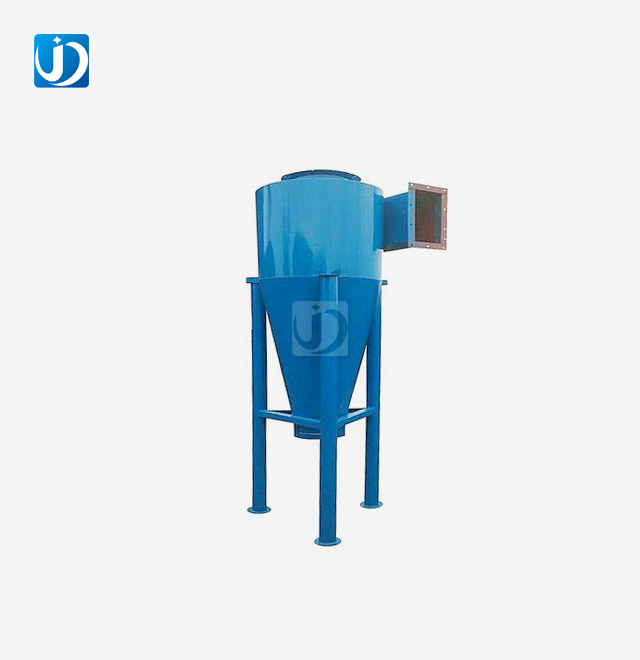
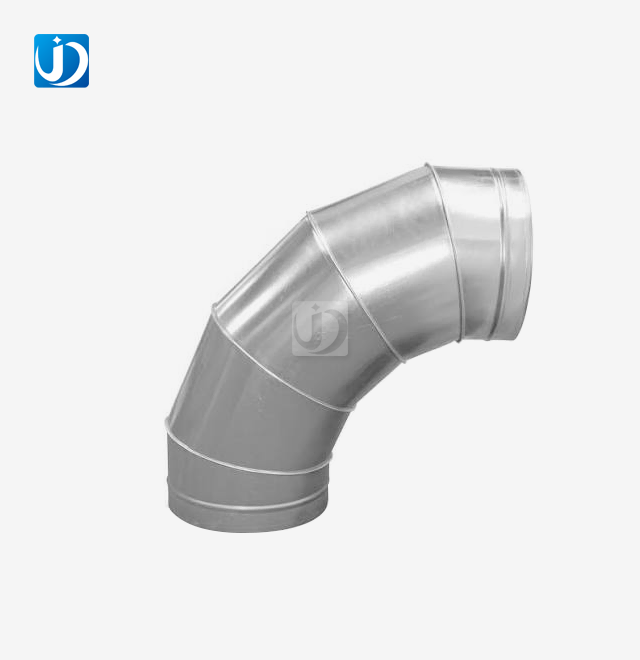
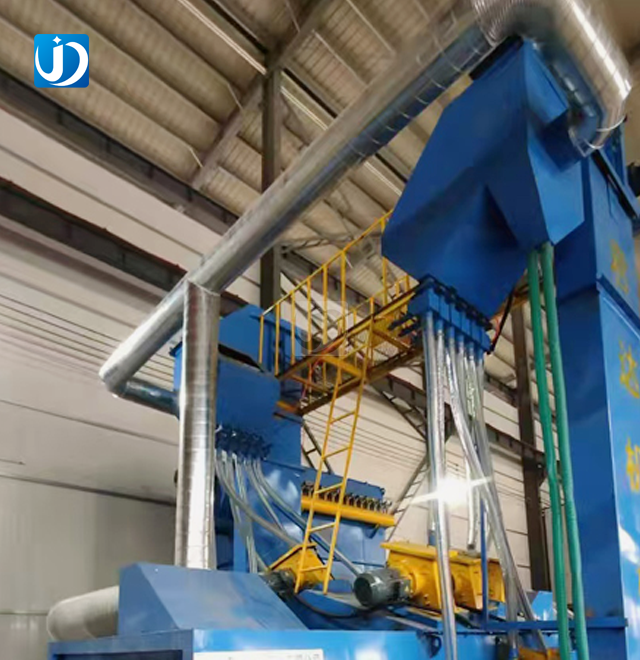
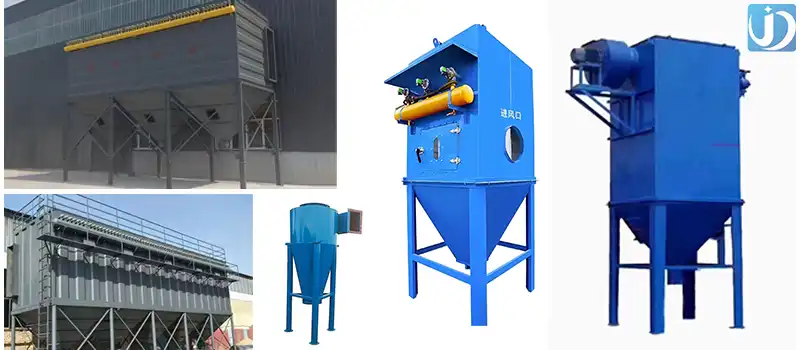
The method starts with a capture hood placed at the point where dust is released, which could be the opening of the blast cabinet, the grinding station, or the exit of the pass-through conveyor. A fan makes negative pressure, which moves dusty air through ductwork that is attached to it. The airflow then goes into a dust collector housing. There, cartridge filters, pulse-jet bag filters, or reverse-air filter elements separate the airflow from the particles. Through the outlet, clean air leaves, and the dust that has been collected falls into a hopper or drum.
Airflow Design and Filtration Efficiency
Transport speed inside the duct must stay above 3,500 to 4,500 feet per minute so that dense metal particles don't settle down and get clogged. The particle catch percentage at a certain particle size is used to rate how well a filter media works. Fine metal dust high-efficiency cartridge collectors in industrial dust extraction equipment can get concentrations well below 10 mg/m³, which meets most of the current emission standards in North America and Europe. Pulse-jet cleaning systems use bursts of 90–100 PSI compressed air to renew filter surfaces automatically. This extends the life of the filters and keeps the differential pressure in the working range without stopping production.
Portable Versus Stationary Configurations
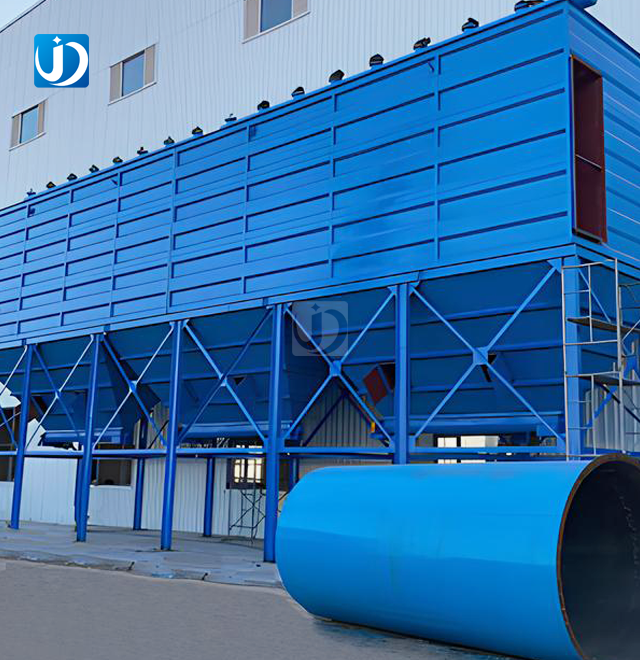
Portable dust collectors are good for smaller work cells or ones that are moved around a lot. For continuous production lines like roller conveyor shot blasting machines or tumble blast systems, where dust production is constant and airflow needs may exceed 30,000 m³/h, stationary central collectors with high airflow are the standard choice.
Benefits of Implementing Industrial Dust Extraction Equipment
To do more than just pass an inspection, a business should spend money on good dust collection. What they cost, how long they last, and how well-known a brand is all change because of these steps.
People who work in procurement always say the following are the main benefits they see:
- As long as the collector is the right size and is well taken care of, measured outlet emissions will stay below the limits set by regulations. This protects the workshop operator, the equipment manufacturer, and the end customer from legal action.
- Longer life of equipment: Getting rid of abrasive particles in the workshop air keeps them from getting into motors, conveyors, and control panels. Field data from surface treatment facilities regularly shows that bearing replacement rates drop by 20–30% after proper dust collection is put in place.
- Automatic cleaning makes filters last longer. Pulse-jet systems that clean filter elements on a timed or differential-pressure-triggered cycle keep airflow steady and extend the time between filter changes to six months or more when used for normal shot blasting.
- Continuity of operation: If the dust collector works well, the blast machine it serves can keep running. Unplanned shutdowns because of dust waste time and hurt relationships between customers and equipment providers.
Selecting the Right Industrial Dust Extraction Equipment for Your Workshop
You can't just pick the biggest dust collection system out there; the specs of the gear need to match how it will be used.
Key Sizing Parameters
To start with size, you need to know how much air you need to move. To do this, you can look at the fan's static pressure, the number and size of catch hoods, and the length and resistance of the pipes. When installing ducts, people often forget to think about how much pressure there is. This will mean that the fan won't be able to keep up the right catch speed at the hood face. To test the system and make sure it works right, differential pressure tracking gauges and pitot tube velocity mapping are both used.
Filtration Technology Selection
When you grind or blast metal, it turns into a thick, rough dust with pieces of different sizes. This kind of dust is easy for filters made of polyester spunbond or nanofiber surface-coated fibres in industrial dust extraction equipment to handle. This is because the layer on top stops water from getting into the deep bed. For a long time, this means that the cleaning power stays high. We need to use more HEPA filtration sometimes to make sure that pollution limits are met when there are dangerous metals or silica in the air.
Evaluating Suppliers for Long-Term Partnership
As important as it is to get the best unit price for people who make shot blasting machines is being able to trust their sources. If a machine company delivers often, keeps a lot of extra parts on hand, and can quickly answer questions from experts, they can quickly fix problems in the field and fill customer orders. Being certified by ISO 9001 means that the provider has written down how they keep quality high. When the conditions of use change, a provider that does its own research and development (R&D) can make changes to the specs.
Maximizing Efficiency and Longevity of Dust Extraction Systems
A dust collection system only works as planned if it gets regular maintenance over the course of its life.
Maintenance Intervals and Indicators
If the differential pressure across the filter bank consistently goes above the manufacturer's upper limit, which is usually 5–6 inches of water gauge, even when the filters are actively being pulse cleaned, they should be checked. Now that the filter has been fully replaced, airflow and catch efficiency are back to normal. In pulse-jet assemblies, the solenoids and diaphragm valves need to be checked every month. If a valve fails, it stops the cleaning cycle for that filter row, which leads to rapid blinding.
Safety Protocols for Metal Dust Environments
When the amounts of metal dust get high enough, they can catch fire or explode. NFPA 652 says that places that deal with flammable metal dusts need to do a Dust Hazard Analysis and make sure that collection equipment has explosion separation and venting. Electrostatic discharge ignition sources are taken away when all metallic duct sections are grounded and bonded to each other.
Using Technology to Monitor Performance
During times when production is low, variable frequency drives connected to duct pressure sensors change the speed of the fan motor to match real demand. This saves energy without affecting capture at the hood. Monitoring systems that are smart and keep track of airflow, filter differential pressure, and cleaning cycle data let maintenance teams know about problems early on, before they cause unplanned downtime.
Conclusion
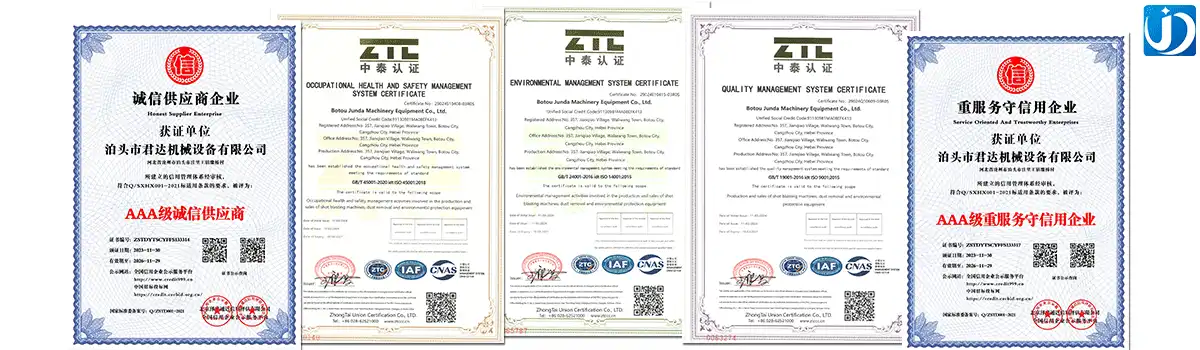
They make high-airflow industrial dust extraction equipment that works well for sandblasting and shot blasting. You can find them on their website at jundablast.com. Junda has been making tools for cleaning surfaces for 20 years. They are ISO 9001, 14001, and 45001 qualified, and they even have their own software for keeping track of jobs. Their systems are made to fit your machine's airflow interface without you having to do anything extra. Made-to-order items are sent out in about 15 days.
FAQHow often should I clean my dust collector's screens?
There should be a change in the filters if the differential pressure stays above 5 to 6 inches of water gauge for a long time, even after they have been cleaned. If you use good filter tubes for normal shot blasting and pulse-jet cleaning, they should last between six months and a year.
How much air flow does a shot blasting machine need?
You need a certain amount of airflow based on the machine type, the number of blast wheels, and the cabinet hole size. A normal tumble blast machine might need between 8,000 and 15,000 m³/h, but a big roller conveyor system can go over 30,000 m³/h. Always compare the number to the air needs the machine's maker says it needs.
Do you have to follow NFPA 652 when you collect metal dust?
Yes, as long as the dust being gathered is known to be explosive. Under NFPA 652, you need to do a Dust Hazard Analysis and make sure you have the right explosion safety measures in place, like isolation valves and relief release that falls under NFPA 68.
Can I connect a dust collector to the air flow setup I already have in my workshop?
Yes. Central dust collectors can connect to systems that already have ductwork, as long as the fan creates enough static pressure to beat the system's resistance. Before putting everything together, a trained expert should check the balance.
Ready to Upgrade Your Workshop Dust Control with Junda Machinery?
Do flying metal dust, growing maintenance costs, and unexpected equipment downtime impair manufacturing efficiency? Junda machines provides reliable shot blasting and sandblasting industrial dust extraction equipment to capture fine particles, regulate airflow, and safeguard workers and machines. Junda offers high-airflow dust collection solutions for your equipment's ventilation needs with 20 years of surface treatment equipment manufacturing experience and ISO 9001, ISO 14001, and ISO 45001 certifications. Automatic pulse-jet filter cleaning maintains filtration, and customised configurations meet workshop layout and production needs. Junda helps you plan projects with certainty with in-house tracking tools and 15-day shipping for made-to-order items. Ready to increase facility dust control? Contact our team at junda001@jundablast.com to discuss your airflow requirements, workshop conditions, and customized dust extraction solution.
References
1. National Fire Protection Association. NFPA 652: Standard on the Fundamentals of Combustible Dust. 2019.
2. Occupational Safety and Health Administration. OSHA Technical Manual, Section III: Chapter 3 – Ventilation Investigation. U.S. Department of Labor, 2021.
3. American Conference of Governmental Industrial Hygienists. Industrial Ventilation: A Manual of Recommended Practice for Design, 30th ed. 2019.
4. U.S. Environmental Protection Agency. AP-42: Compilation of Air Emissions Factors, Volume I, Chapter 13 – Miscellaneous Sources. 2020.
5. National Fire Protection Association. NFPA 68: Standard on Explosion Protection by Deflagration Venting. 2018.
6. Heinsohn, R. J., & Cimbala, J. M. Indoor Air Quality Engineering: Environmental Health and Control of Indoor Pollutants. Marcel Dekker, 2003.

USER EVALUATE
Real feedback and practical experience shared by worldwide partners who purchased our machinery and environmental treatment devices.