
Can steel shot blasting remove rust?
Yes — and it does so faster and more thoroughly than most surface treatment methods available today. A steel shot blasting machine propels spherical steel pellets at speeds between 60 and 85 m/s against metal surfaces, physically stripping rust, mill scale, and oxidation layers down to bare, clean metal. The process achieves cleanliness grades of Sa 2.5 to Sa 3.0 per ISO 8501-1, which are the standards required before protective coatings are applied. For industrial facilities processing steel structures, castings, or automotive components, this method delivers repeatable surface quality that chemical pickling and manual grinding simply cannot match at scale.
Understanding Steel Shot Blasting and Its Rust Removal CapabilityHow the Mechanism Works
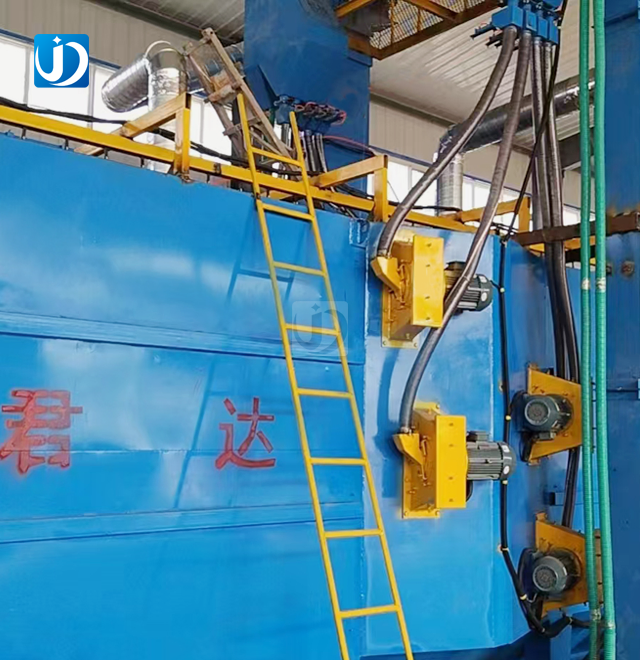
Kinetic energy is turned into mechanical damage during steel shot blasting. Centrifugal blast wheels that spin quickly throw sharpened steel pellets onto the surface of an item. Each pellet impact removes rust, scale, and other contaminants, leaving behind a textured anchor profile that makes paint stick much better. Protective coats last two to three times longer on surfaces that have been prepared to Sa 2.5 than on surfaces that have only been cleaned by hand tools.
Steel Shot vs. Steel Grit — What's the Difference?
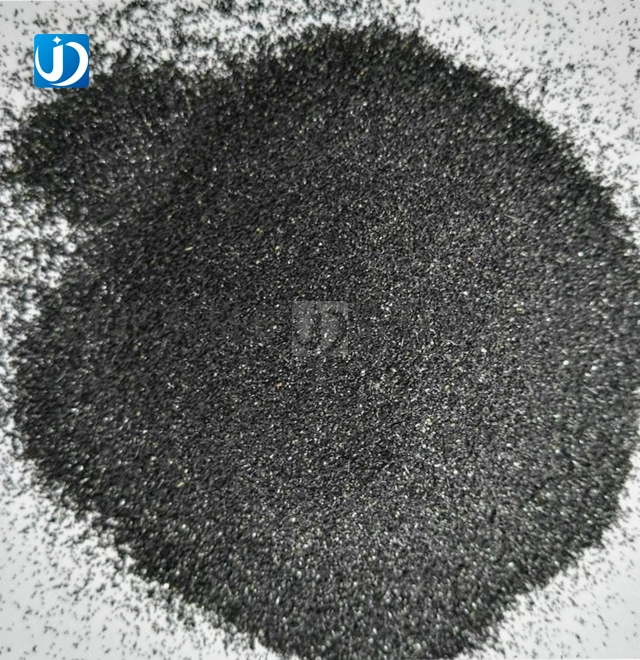
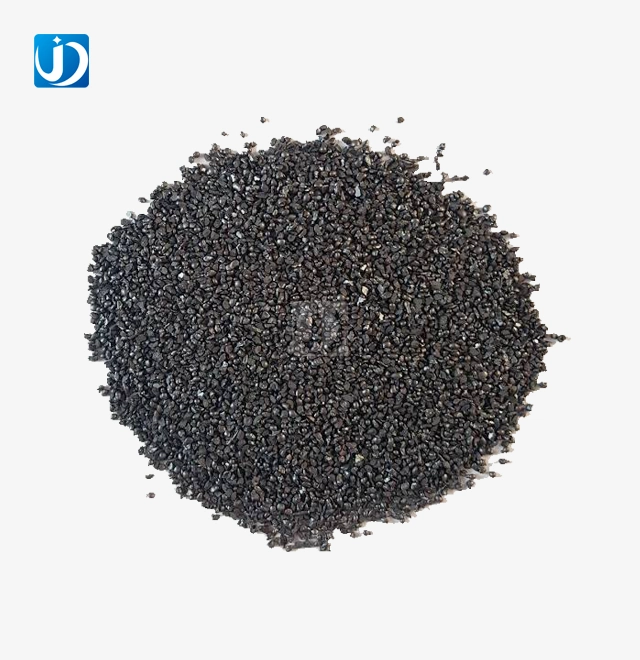
Steel shot uses spherical media to make a surface that is peened and has a smooth profile. Angled particles in steel grit cut deeper and make an anchor pattern that is more aggressive. Shot media is the best way to get rid of general rust on structural steel because it matches cleaning speed with surface regularity. When a stronger anchor profile is needed, like Rz values above 70 μm, mixing shot with grit gives workers the freedom to choose the exact surface texture their coating system needs.
Why It Outperforms Chemical and Manual Methods
Chemical pickling creates dangerous acid waste that needs to be disposed of in a certain way. Manual grinding is slow, depends on the person doing it, and doesn't work well with complicated shapes. Both problems are solved by shot blasting. The method doesn't make any liquid waste, reuses used media with the help of a built-in recycling system, and can treat surfaces at rates of 1 to 18 tons per hour. For a production line that makes different kinds of workpieces every day, that speed and uniformity mean that the cost of handling each one is less.
Types of Steel Shot Blasting Machines and Their Applications
Tumble Belt and Rotary Table Machines
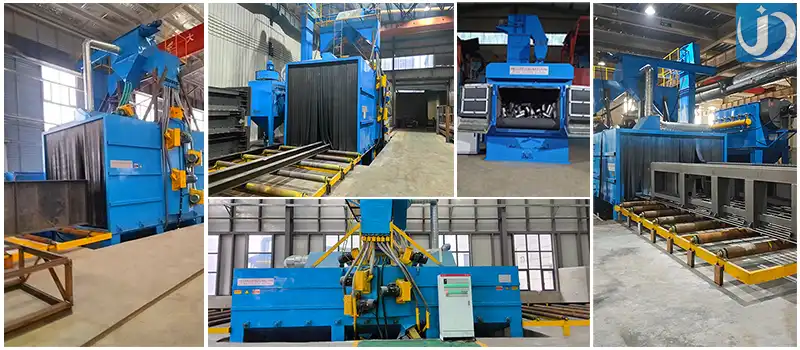
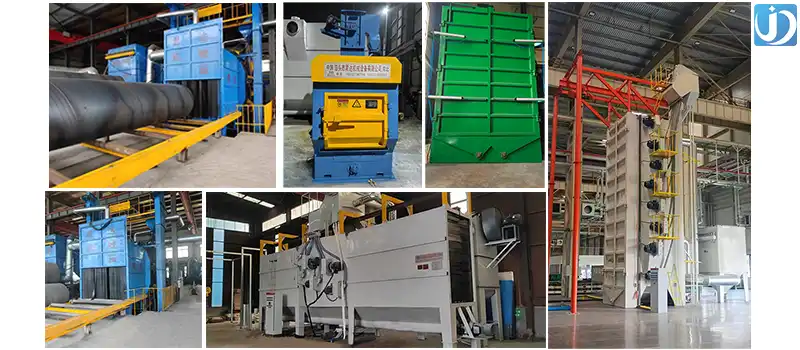
Tumble belt steel shot blasting machines are great for working small castings, hardware, and car bolts in groups. Parts keep falling through the blast zone, so the whole surface is exposed without having to be moved by hand. Heavy, flat parts like gear blanks and bearing housings can be worked on rotary table machines, which rotate them steadily under fixed blast wheels to make sure they get even coverage. Both configurations are common in foundries and hardware production lines that make a lot of products at once.
Tunnel and Roller Conveyor Machines
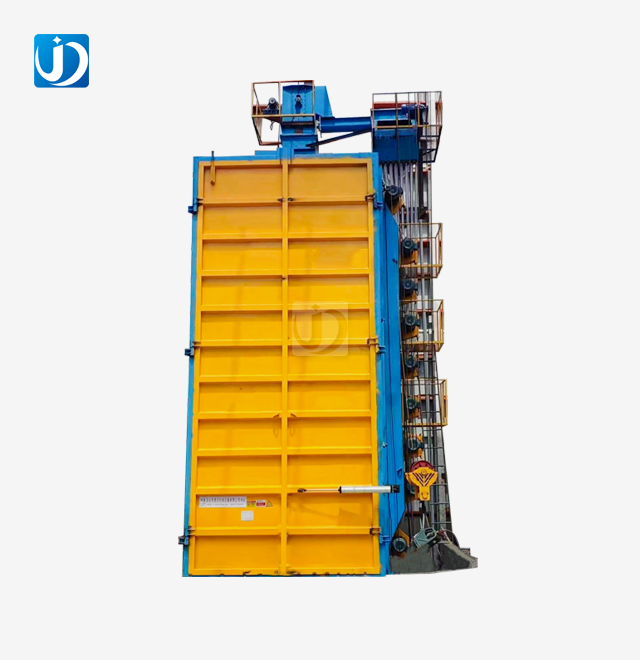
Tunnel shot blasting tools work on long shapes, structural beams, pipes, and sheet metal all the time. A roller belt moves the workpieces through the blast chamber, and multiple blast wheels placed around the tube cover the whole area in one pass. This design gets rid of dead spots and lets you reach throughput rates that you can't get with batch or manual methods. For steel fabricators getting H-beams or pipe sections ready to be painted, tunnel machines are the standard way to make things.
Maintenance and Safety Tips for Consistent PerformanceRoutine Wear Part Inspection
When used normally, blast wheel blades made from high-chromium metals (HRC ≥ 60) usually last between 500 and 800 hours. When blades are worn, they slow down the shot and make coverage less even, which shows up as different surface profiles across a batch. Instead of waiting for performance to drop clearly, checking blade wear at regular times keeps cleaning quality stable and stops a single broken part from affecting a whole production run.
Shot Media Management
The surface result is directly related to the state of the steel shot. Before going back into the blast wheel, broken or too-large pieces should be sorted by the steel shot blasting machine's built-in filter. A well-maintained abrasive recovery system can separate materials more than 99% of the time, which means that prices for replacement parts are always known. In order to avoid uneven results, operators should restock shots when the working volume falls below the recommended charge weight. This is because under-loading the system lowers the impact density.
Operator Safety and Dust Control
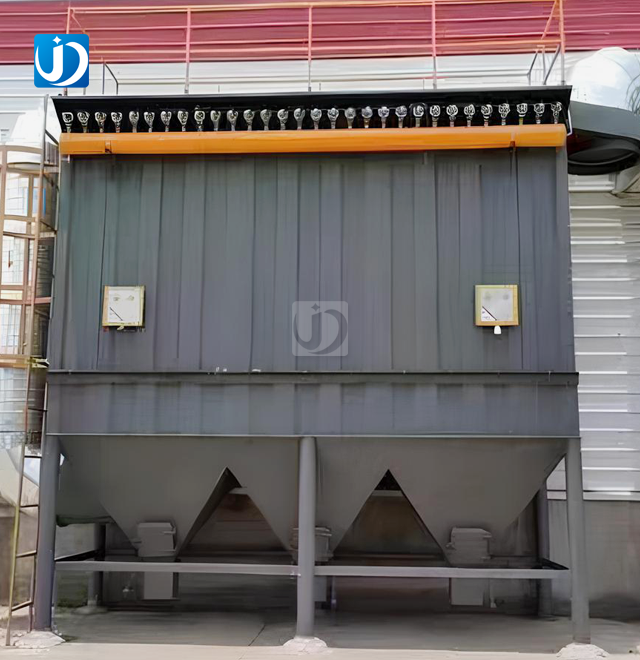
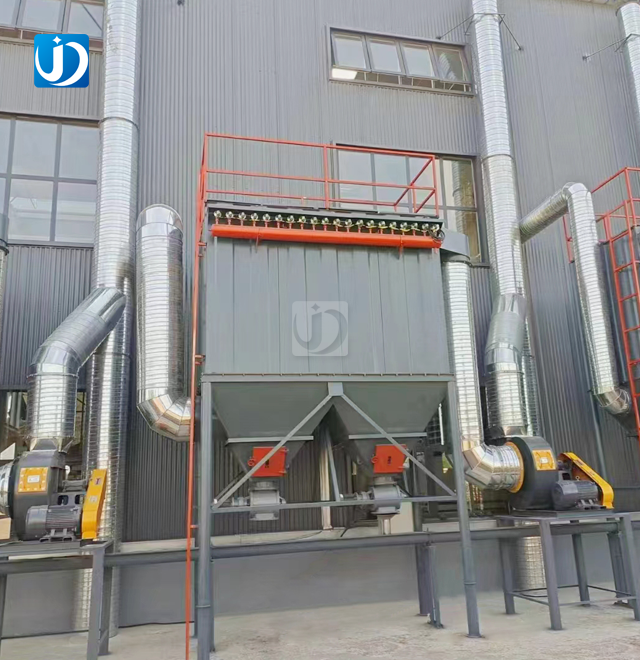
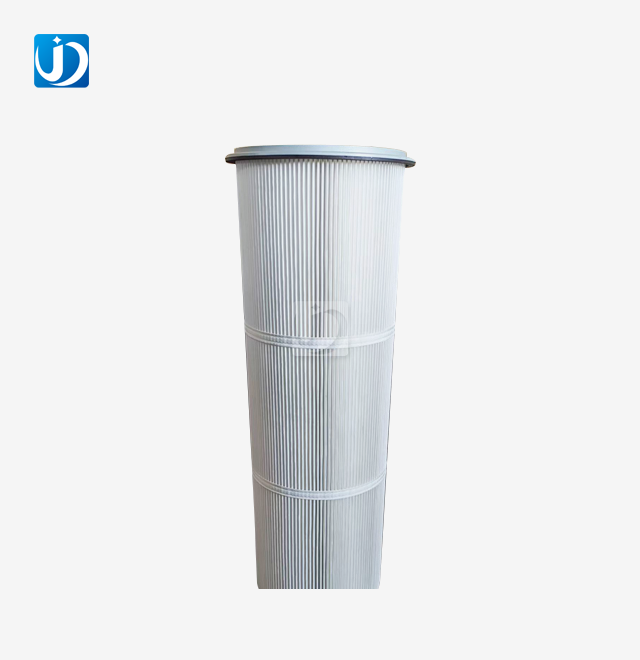
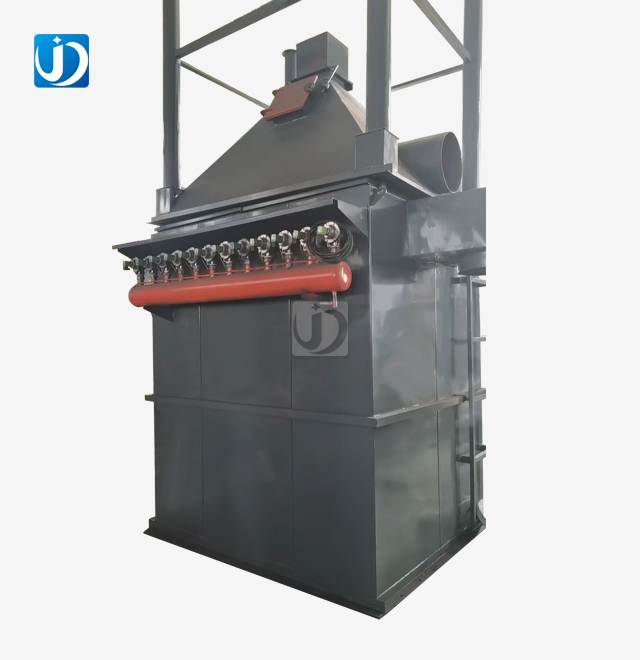
For blasting, you need a multi-stage pulse-jet cartridge filter system that can catch particles as small as 0.5 microns and keep emissions below 20 mg/m³, which is the legal limit for protecting the environment. People who work near the blast zone should wear the right breathing protection, hearing protection rated for settings above 85 dB, and glasses that won't break easily. Junda Machinery gives out English-language maintenance videos and operation manuals so that safety rules can be reliably followed by teams from around the world.
How to Evaluate and Procure the Right Machine
When picking out the right gear, you need to think about more than just the price. Before making a purchase, procurement managers should look at these main review factors:
- Blast wheel power and count: Junda Machinery's range covers 28 kW to 185 kW installed power, with wheel configurations selected based on workpiece geometry and required throughput.
- Adaptive speed control: Full-range variable frequency drives adjust conveyor speed and blast intensity to match different rust grades, material types, and workpiece dimensions — critical for facilities processing mixed product lines.
- Abrasive recovery efficiency: A closed-loop shot recovery and classification system directly controls consumable spend. Higher separation efficiency means less wasted media per ton processed.
- Dust collection compliance: Verify that the system meets local emission standards before installation, particularly if the facility operates near residential areas or under strict environmental permits.
- Aftersales support: Confirm that the supplier stocks original spare parts, provides remote commissioning guidance, and offers English technical documentation for international teams.
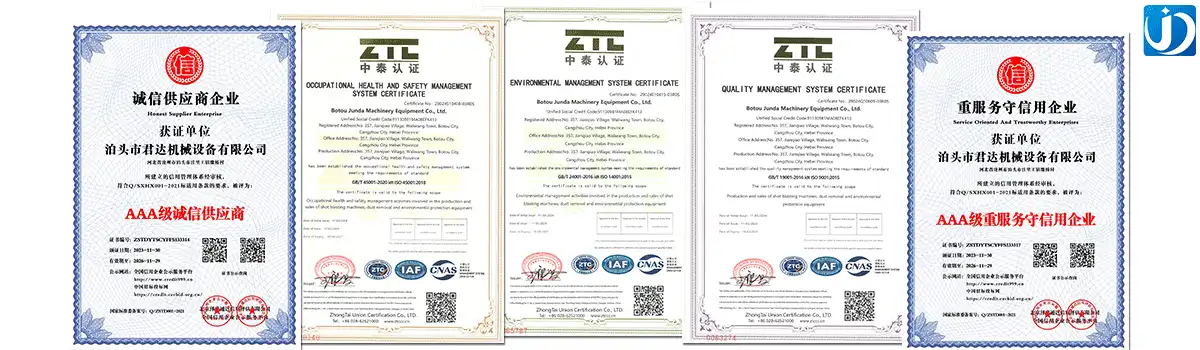
All of these things affect whether the technology pays for itself in the time frame that was planned or causes frequent problems with production. Junda Machinery has been making steel shot blasting machines for 20 years in Botou, Hebei. They have ISO 9001, ISO 14001, and ISO 45001 certifications and can help international buyers get CE certification. Normally designed equipment is sent out in about 15 days, and customer questions are answered in 6 to 8 hours.
Conclusion
Steel shot blasting machine balls get rid of rust quickly, regularly, and effectively, faster than any chemical or physical method that can be used on an industrial scale. To get that result every shift, you need to make sure that the right machine setup is used for the type of workpiece, that the quality of the shot media is maintained, and that PLC automation takes away the role of human error. Surface preparation doesn't have to be a slow part of your production process for steel bars, car castings, or hardware parts. With the right blasting system, it can be a controlled, measured step.
FAQ
1. Is steel shot blasting safe for all metal surfaces?
Shot blasting is safe for carbon steel, alloy steel, and cast iron when media size and blast pressure are calibrated correctly. Thinner materials or precision-machined surfaces require lower wheel speeds and finer shot grades. Consulting equipment specifications and running trial parts before full production protects workpiece integrity.
2. How often should steel shot media be replenished?
Replenishment frequency depends on throughput, rust grade, and shot grade. Heavy rust removal depletes media faster than light scale removal. Most production environments top up media every shift and perform a full inventory check weekly. The machine's classifier automatically removes broken fragments before they re-enter the blast wheel.
3. How does shot blasting compare to chemical rust removers for environmental compliance?
Shot blasting produces no liquid waste and no acid fumes. Spent media is recovered, classified, and reused. Chemical pickling generates acid rinse water that requires neutralization and regulated disposal. For facilities operating under tightening EPA or equivalent standards, mechanical blasting is the lower-compliance-risk option and carries lower long-term disposal costs.
4. What cleanliness grade does shot blasting achieve?
Industrial shot blasting equipment routinely achieves Sa 2.5 (near-white metal) and Sa 3.0 (white metal) per ISO 8501-1, which are the grades specified by most industrial coating systems and structural steel paint specifications.
5. What causes uneven cleaning across a workpiece?
Uneven results typically come from an improperly positioned blast wheel directional control cage, inconsistent conveyor speed, or depleted shot inventory. PLC monitoring flags deviations in real time, allowing operators to correct parameters before an entire batch is affected.
Get a Customized Rust Removal Solution from Junda Machinery
Junda Machinery sells industrial steel shot blasting machines that are made to work in environments with continuous production. We match each setup to your particular workpiece and throughput needs thanks to our 20 years of manufacturing experience, ISO-certified quality management, and our own clever control system. To get technical advice, a free trial, or a product brochure right away, email our engineering team at junda001@jundablast.com.
References
1. Keane, J. D., Flinn, R. A., & Hadfield, R. A. — Steel Structures Painting Manual: Surface Preparation Specifications, Steel Structures Painting Council (SSPC), 1993.
2. ISO 8501-1 — Preparation of Steel Substrates Before Application of Paints and Related Products — Visual Assessment of Surface Cleanliness, International Organization for Standardization, 2007.
3. Nasser, A., & Abdel-Wahab, M. — Effect of Surface Preparation on Coating Adhesion and Corrosion Resistance, Surface and Coatings Technology, Elsevier, 2018.
4. Momber, A. W. — Blast Cleaning Technology, Springer, 2008.
5. SSPC-SP 10 / NACE No. 2 — Near-White Blast Cleaning Standard, Society for Protective Coatings, 2020.
6. Visser, W., & van der Zwaag, S. — Abrasive Wear and Media Degradation in Centrifugal Blast Wheel Systems, Wear, Elsevier, 2015.

USER EVALUATE
Real feedback and practical experience shared by worldwide partners who purchased our machinery and environmental treatment devices.