
The Definitive Guide to Baghouse Dust Collectors
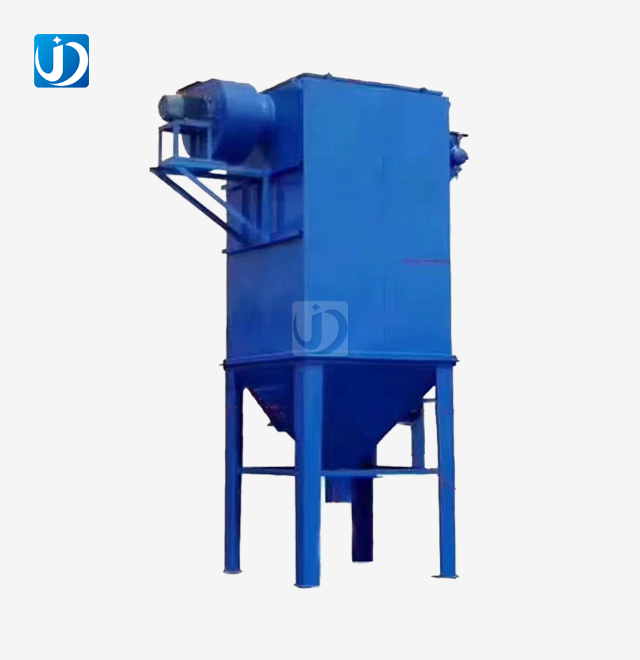
Controlling airborne particulate matter is not an option if your facility grinds metal, blasts it, does foundry work or processes chemicals. It is required by law and is good business practice. A baghouse dust collector is a type of industrial air filtration device that uses fabric filter bags to catch fine dust particles from gas streams, consistently collecting more than 99.9% of the particles. Everything you need to know about these systems is in this guide: how they work, their real-world benefits, how they compare to other options, and what to look for when buying one for your business.
Understanding Baghouse Dust Collectors: Basics and Key ConceptsHow the Filtration Process Works
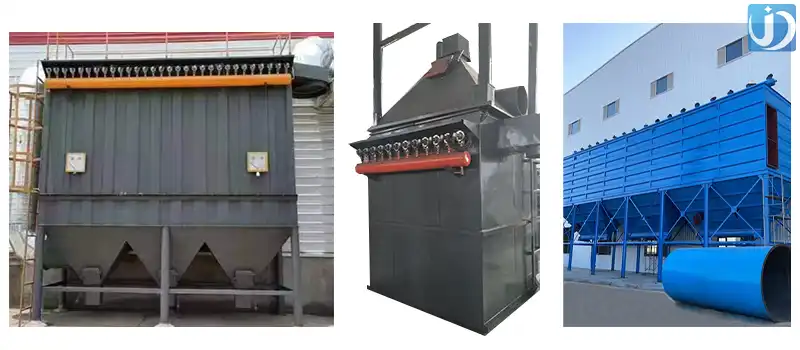
Lack of pressure from the fan draws dusty air into the tube when it turns on. Open cloth bags hung in the air let air flow through them. Things fall out of the bags and make a cake of dust. Through the top plenum and the ductwork that goes out, fresh air leaves the system. It starts cleaning right away when a certain difference in pressure is reached.
Core Components You Should Know
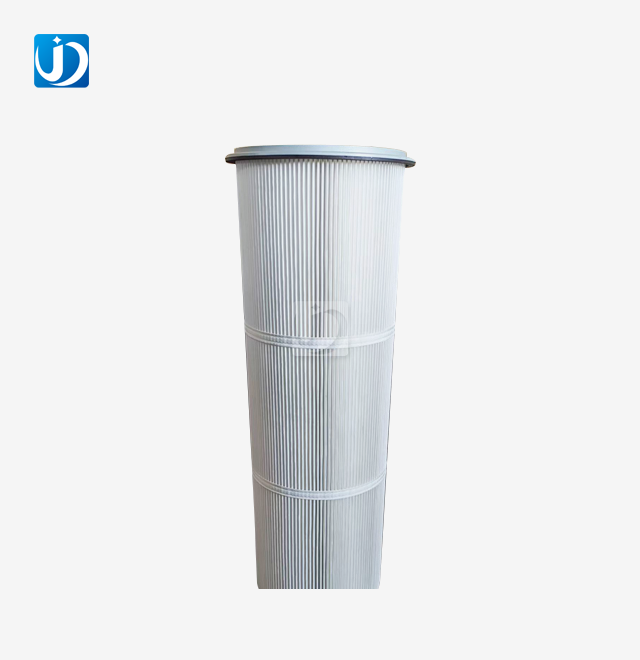
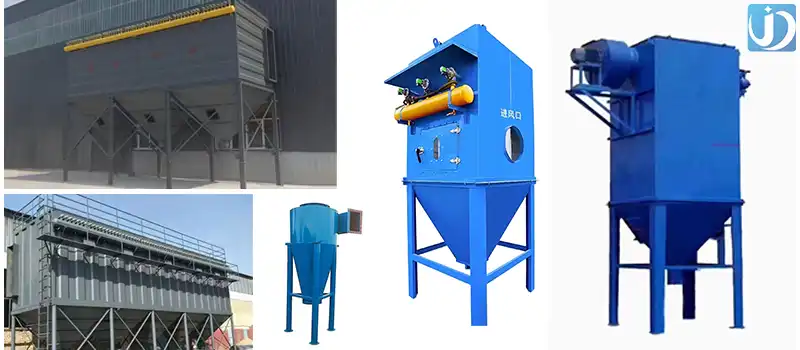
The steel frame of every pulse-jet filtering system holds the filter bags vertically. There is also a compressed-air manifold with solenoid valves, a bottom bin for collecting dust, and a differential pressure driver. How well it works over time and how often it needs to be serviced depend on the quality of each part.
Main Types and Their Applications
There are three main business styles used today:
- Pulse-jet systems use short bursts of compressed air to get rid of dust while the unit is still running. This makes them the best choice for ongoing production lines like steel processing and shot blasting.
- Shaker systems shake the bags mechanically to get the dust cakes out. They work well for low-volume tasks where short shutdowns are okay.
- Small amounts of clean air are pushed backward through bags by reverse-air systems. They work well in places with a lot of heat, like cement kilns, where sudden changes in pressure could hurt delicate media.
Advantages and Environmental Benefits of Baghouse Dust Collectors
It's clear that cloth filter methods are better than many other technologies when pollution limits are very strict. These are some of the great things about this gear:
- Higher than 99.9% filtration efficiency: Pulse-jet bag filter systems regularly achieve outlet concentrations at or below 30 mg/m³, and premium configurations reach below 10 mg/m³, which is the very low emission level needed in many regulated industrial zones.
- Filter media that can handle any kind of dust: standard polyester felt can handle metal and mineral dust. Anti-static bags keep flammable powders from starting fires. The PTFE membrane bags can catch particles smaller than 1 μm and can work in acidic or basic environments. They can also handle temperatures up to 260°C.
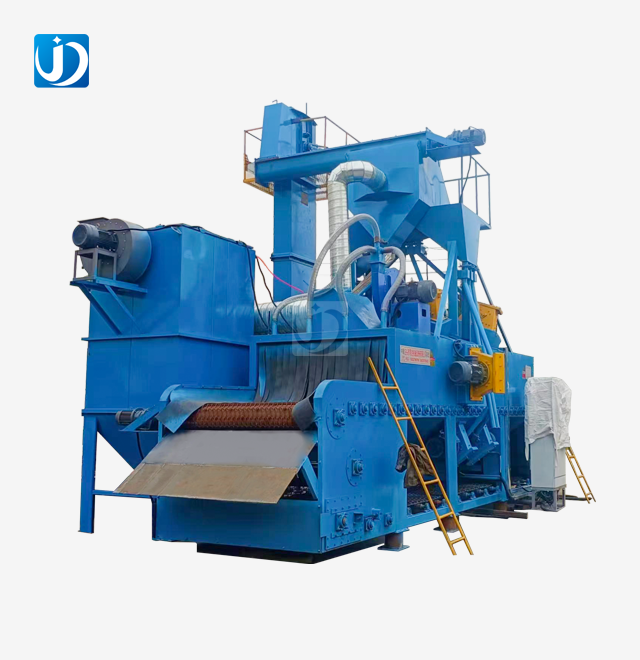
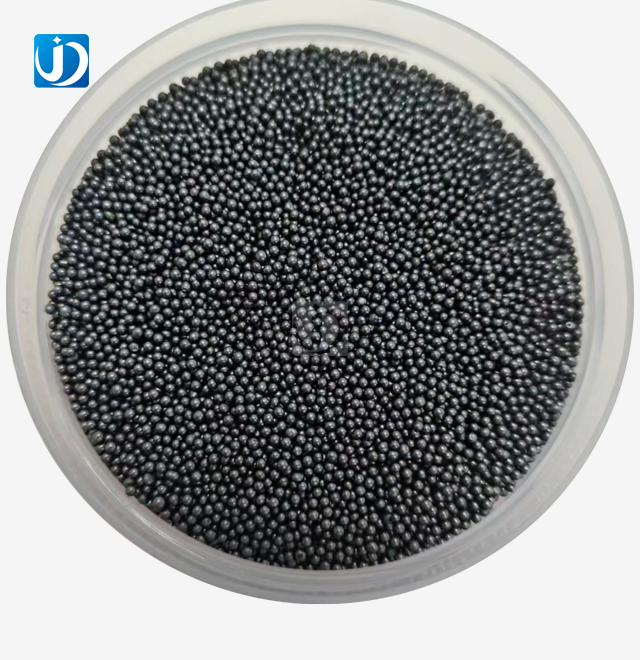
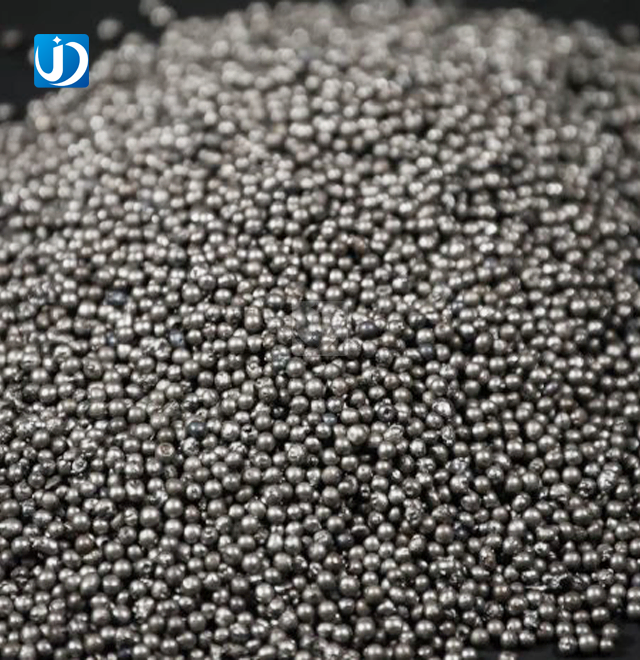
- Material recovery is helped by dry filtration. Unlike wet scrubbers, dry systems keep the dust they gather clean and dry. In shot blasting facilities, fine waste can be sorted from reusable steel shot so that it can go straight back into the production cycle. This cuts down on the cost of buying abrasives.
- Fugitive emissions are eliminated by sealed housing. Fully welded enclosures and rotating airlock valves stop secondary dust release during ash discharge. This directly makes the air quality in the workshop better and lowers the health risks for workers.
Pulse-jet baghouse dust collector filter systems get concentrations at or below 30 mg/m³ at the outlet more than 99.9% of the time. The best setups get concentrations below 10 mg/m³, which is the very low level of emissions needed in many controlled industrial zones.
Common Problems and Maintenance Tips for Baghouse Dust CollectorsFilter Bag Blinding and Premature Wear
It keeps going up because tiny things get stuck in the pores of the cloth even after it has been washed. You need a bag for this. This happens most of the time because of water condensation, not enough air in the cloth, or pulse valves that don't have a solid diaphragm. When you look through the access doors once a month, you can see early signs of wear and tear or uneven dust cake buildup. In this way, leaks are stopped before they start.
Pulse Valve and Compressed-Air System Failures
When oil or water gets into the lines that carry compressed air, it takes longer for the solenoid valve to respond. The air lines should be cleaned every three months, and the valves should work. This makes sure that the cleaning pulse is strong enough. If there are any trouble alarms on the control panel, you should check them right away. When you don't fix your bags right away, they often break in one big area.
Hopper and Sealing Maintenance
The bin should be checked and filled with food once a week. When the hoppers are full, you can send dust back into the filter zone. The bags will wear out faster because of this. As long as the temperature inside the case stays the same, the flange nuts should be tightened again every six months. A lot of gaskets need to be changed every two years or when you can see that they are getting smaller, which means they aren't closing as well.
Comparing Baghouse Dust Collectors with Other Dust Collection Technologies
Pulse-Jet Bag Filters vs. Cartridge Collectors
Plissed filter media that is squished into a small frame make up disc dust catchers. They work well in places like hospitals and auto shops where there isn't a lot of dust. Heavy metal fumes, thick inlet dust, or up to 1,000 g/m³ of rough shot, on the other hand, make chambers clog up more quickly. More often than not, pulse-jet bag filter systems can handle these loads more reliably and for less money per unit of airflow handled over time.
Bag Filters vs. Electrostatic Precipitators
Electric charge generators (ESP) first bring charged particles together on plate electrodes. They're good enough for big particles in a lot of gas. If the dust is less than 1 μm, ESP doesn't work as well, and how well it works depends on how resistant the dust is.
Bag Filters vs. Cyclone Separators
Big pieces are thrown away by clone separators, which spin them around. That's why they're often used in foundries and other places where regulators need to keep a close eye on things: the particles work well no matter how resistant they are. Because of this, they don't always catch particles smaller than 10 μm, and right at the exit, they rarely get less than 50 mg/m³. A baghouse dust collector bag screen is used further down the line in most steelworks and foundries. Big particles are separated by the cyclone before they are separated by the filter bag. In the end, this makes the filter bag last longer and meet the emission standards.
Procuring and Installing Baghouse Dust Collectors: What B2B Clients Need to Know
Sizing and Airflow Matching
The most important thing to do when buying is to choose the right breathing size. There are different kinds of systems, from a single machine that can clean up to 30,000 m³ per hour to a central workshop that can clean up to 30,000 m³ per hour. They don't work as well when the units are too small, and the bags wear out faster. When units are too big, having too many fans loses power. A good maker should know how much movement is needed based on where the dust is coming from and how strong the network of ducts is before they look at the specs.
Certifications and Supplier Verification
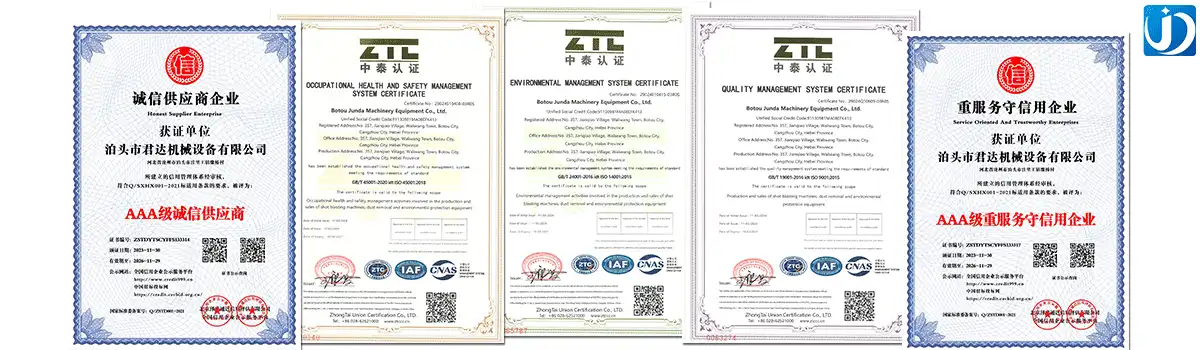
If you work in a place that has to go through environmental checks, you can't skip getting licenses for your tools. ISO 9001 is for quality management, ISO 14001 is for environmental management, and ISO 45001 is for work safety. These standards make sure that the way things are made meets international standards. In order to do acceptance checks, officials need test records from a third party that show how much pollution is coming out of the outlets. You should also make sure that you can get CE approval for projects in Europe if your business sells things in other countries.
After-Sales Support and Spare Parts Access
When people only think about how much something costs at first, they often spend more in the long run. You have to change the filter bags all the time as a business owner. The heat and type of dust in the area where the machine is used determine how long most bags last. If your provider keeps standard bag sizes in stock and says they'll have extra parts on hand, your business won't have to deal with downtime that wasn't planned. It's even less likely that performance problems will happen after installation if you can set it up remotely, keep written records of maintenance, and get help from experts on-site.
Conclusion
It's important to check that the companies that sell the baghouse dust collector equipment will support it for as long as it works and that the filter media will work with the chemistry of the dust. Pulse-jet cloth filter systems always meet the goals for very low pollution. They also let production go on and can work in harsh conditions in the chemicals, foundry, metal processing, and metalworking industries. It's less likely that you won't follow the rules and costs less in the long run to do business with a qualified, experienced manufacturer. Before you buy, make sure you look at the technical specs, rights, and customer service after the sale.
FAQ
How often should filter bags be replaced?
Filter bag service life typically ranges from two to five years. Replacement is indicated when differential pressure remains elevated despite regular pulse cleaning, or when outlet emissions show visible opacity increases. Dust chemistry, operating temperature, and inlet concentration all affect actual lifespan.
What causes sudden pressure spikes in a bag filter system?
Sudden pressure spikes usually point to a blocked hopper, a failed pulse valve, or a fan fault. Gradual pressure rise over weeks typically signals bag blinding or media saturation. Monitoring differential pressure trends on the control panel daily allows early intervention before bag failure occurs.
Can these systems handle high-moisture gas streams?
Yes, provided gas temperature stays above the dew point throughout the ductwork. Hydrophobic or oleophobic filter media coatings prevent moisture-induced caking. Insulating inlet ducts reduces condensation risk in cold-climate installations.
How is combustible dust handled safely?
Anti-static filter bags dissipate static charge buildup. Explosion venting panels, back-draft dampers, and rotary airlocks should be specified for any application handling combustible powders, in compliance with NFPA 68 and NFPA 69 requirements.
What is the benefit of online pulse-jet cleaning over shaker cleaning?
Pulse-jet cleaning operates compartment-by-compartment while the system stays fully pressurized. Production lines continue without interruption. Shaker systems require airflow reduction or full shutdown during cleaning, making them less suitable for continuous manufacturing environments.
Get Your Custom Dust Filtration Solution from Junda Machinery
It is made to work in real production settings like foundries, steel shops, shot blasting lines, and chemical processing plants all over the world. Junda Machinery makes industrial-grade baghouse dust collector systems. The things we make have been around for more than 20 years, and we have ISO 9001, 14001, and 45001 certifications. It takes us about 15 days to make unique ODM/OEM goods. This means that you can trust us as a baghouse dust collector supplier for both direct factory purchases and full-service projects. You can email our engineering team at junda001@jundablast.com or go to jundablast.com right now to get technical help and a custom quote.
References
1. American Industrial Hygiene Association (AIHA). Industrial Ventilation: A Manual of Recommended Practice for Design. 30th ed., 2019.
2. National Fire Protection Association. NFPA 68: Standard on Explosion Protection by Deflagration Venting. 2018 Edition.
3. U.S. Environmental Protection Agency (EPA). EPA Air Pollution Control Technology Fact Sheet: Fabric Filter — Pulse-Jet Cleaned Type. EPA-452/F-03-019, 2003.
4. VDI Society for Energy and Environmental Technology. VDI 3926: Testing of Filter Media for Cleanable Filters. VDI-Verlag, 2004.
5. Billings, C. E., & Wilder, J. Handbook of Fabric Filter Technology, Volume I: Fabric Filter Systems Study. GCA Corporation for U.S. EPA, 1970.
6. Cooper, C. D., & Alley, F. C. Air Pollution Control: A Design Approach. 5th ed., Waveland Press, 2022.

USER EVALUATE
Real feedback and practical experience shared by worldwide partners who purchased our machinery and environmental treatment devices.