
How Does Steel Plate Shot Blasting Improve Surface Preparation?
Steel plate shot blasting treatment is the most direct answer to one persistent problem in heavy industry: poor surface quality that causes coatings to fail prematurely. Steel shot or grit is sped up to between 65 and 85 m/s and hit the plate surface. This removes mill scale, rust, and built-up contaminants all at once. This makes a controlled anchor profile with a surface roughness (Rz) of about 40 to 80 microns that meets the cleanliness standards set by ISO 8501-1 (Sa 2.0 to Sa 2.5), which are used in shipbuilding, bridge construction, and the fabrication of structural steel around the world.
Understanding Steel Plate Shot Blasting and Its Role in Surface Preparation
What Makes Shot Blasting Different from Other Methods
You can pickle things with chemicals, grind them by hand, or use a machine to do abrasive blasting. Plates or acids are not used by centrifugal wheel blasters to get rid of scale. Instead, they quickly throw rough things across the whole width of the plate. You can't do this by hand on a large scale because you won't be able to get clean levels and an even spread of energy.
Why Surface Cleanliness Grade Matters?
A standard in ISO 8501-1 is called Sa 2.5 (Near-White Metal), and 90% of coats used in business must meet it. A study in the Journal of Protective Coatings & Linings found that coatings put on flat Sa 2.5 surfaces last up to 400% longer than coatings put on steel that has been cleaned by hand. When it comes to projects, LR, BV, and DNV all say that Sa 2.5 is the very least that needs to be met. This is for work on bridges and ships.
Steel Types Suitable for Shot Blasting Treatment
Rough blasting is a good way to clean steel for hot-rolled plates, pressure tanks, and plates used in ships. The mill scale is taken off without changing the steel's chemical make-up during the process. It's only microns of material that is lost, which is very little when you think about how wide the plate is.
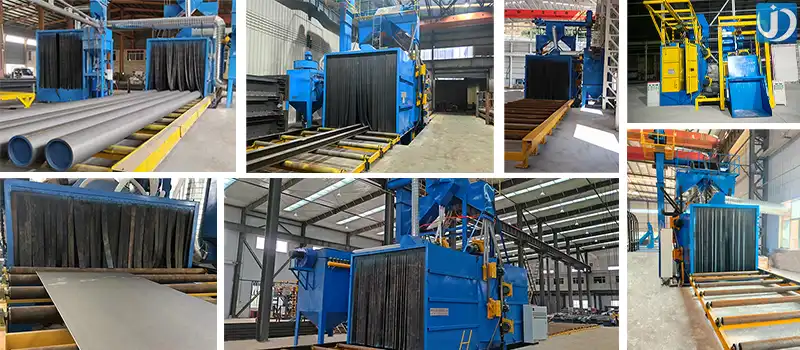

The Steel Plate Shot Blasting Process Explained
Pre-Blast Inspection and Setup
A skilled person looks over the steel for surface flaws, loose joints, and water before it goes into the blast chamber. Plates that have cracks or laminations that can be seen need to be marked. Bugs that are deeper won't be fixed by blasting, and it might even make things worse. If the steel is less than 3°C below the dew point or the humidity is above 85%, you can't blow. As soon as possible, you need to wait to avoid flash rust.
Inside the Blast Chamber: Parameters That Drive Results
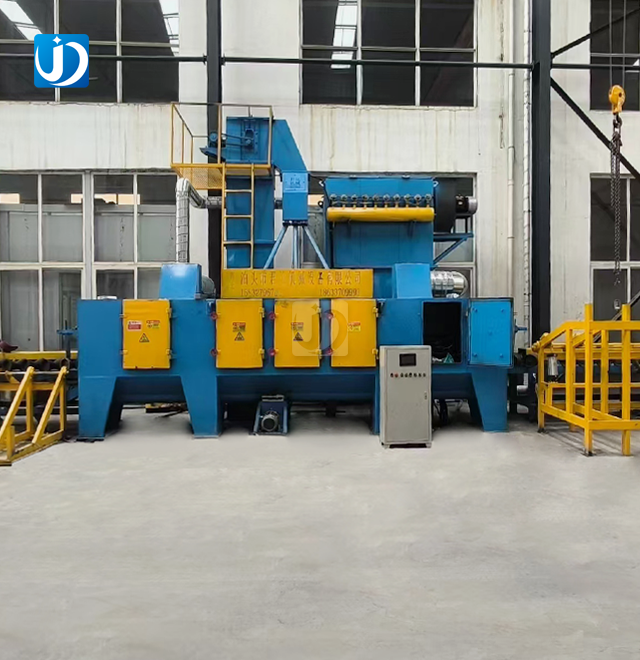
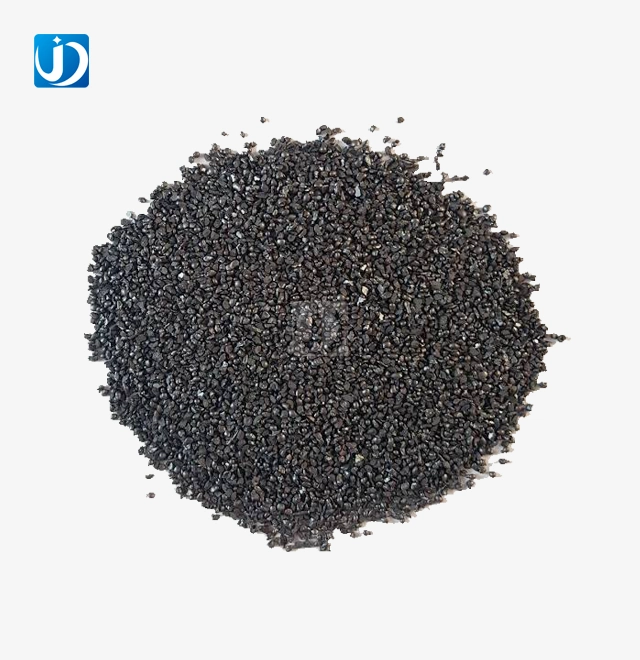
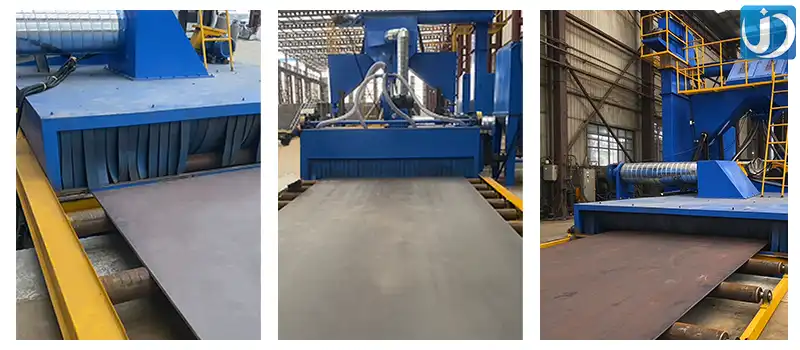
A roller belt moves plates through a blast room that is 100% closed off at set feed speeds during steel plate shot blasting treatment. Some centrifugal fans, whose sizes range from 45 kW to 220 kW depending on the flow need, aim steel shot or sharp grit at the plate at the best angles. The size of the abrasive has a direct effect on the shape of the pin. You can use it with heavy-build epoxy coats to make a deeper profile or thin-film bases to make a greater finish. There are two different sizes of grit: coarse and fine.
Post-Blast Quality Control Protocol
After the four-point check, this is the next step: quality control. Checkers use ISO 8501-1 comparators to see how clean the surface is. To find the anchor depth, you can use a digital surface profile gauge or Testex mirror tape. The ISO 8502-3 dust tape test finds out how many particles are still there. In the end, the Bresle method checks the amount of liquid chloride. For use in the ocean or off the coast, these levels must be less than 20 mg/m². Before the plate gets to the line where it is sealed, everything is written on.
Comparison and Decision-Making: Selecting the Right Steel Plate Shot Blasting Solution
Shot Blasting vs. Sandblasting: Which Fits Your Operation?
Compressed air is used in sandblasting to move silica or mineral abrasives. It does work, but it takes a long time, costs a lot, and many countries have rules about silica dust. Abrasives made of steel that can be recovered are moved by centrifugal wheels. This makes shot blasting clearly better in terms of output and cost of operation for production lines that work all the time. If you need to handle 3 to 28 tons per hour, an automatic roller conveyor shot blasting line is the best choice. Sandblasting is better for fixing things on-site or on forms that are too complicated to fix.
Manual vs. Automated Systems: A Procurement Perspective
To help people who buy from other stores, here are the main differences between automatic and human blasting systems:
- When working with small amounts, odd shapes, or on-site, manual blast rooms are best. They need skilled operators, cost more per tonne processed, and give different levels of cleanliness based on how the operators work and how tired they are.
- At the production level, automated roller conveyor lines keep the Sa 2.5 level of cleanliness constant. PLC controls the speed of the conveyor, the rotation of the turbine, and the flow rate of the abrasive all at the same time. Automated systems can also connect directly to paint or primer lines further down the line, so there are no delays caused by re-handling.
- The choice of abrasive media affects the depth of the profile and the quality of the finish. Steel shot makes the surface profile round, while steel grit cuts an angular pattern that makers of epoxy and zinc silicate primers like.
Total Cost of Ownership Considerations
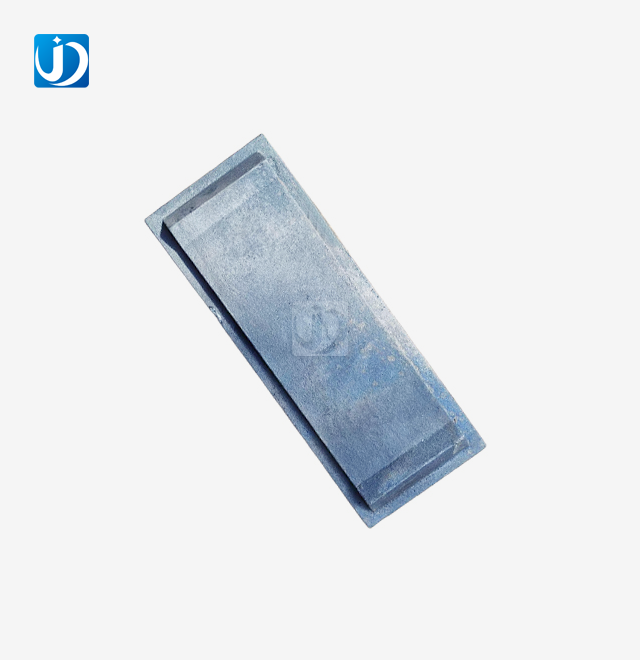
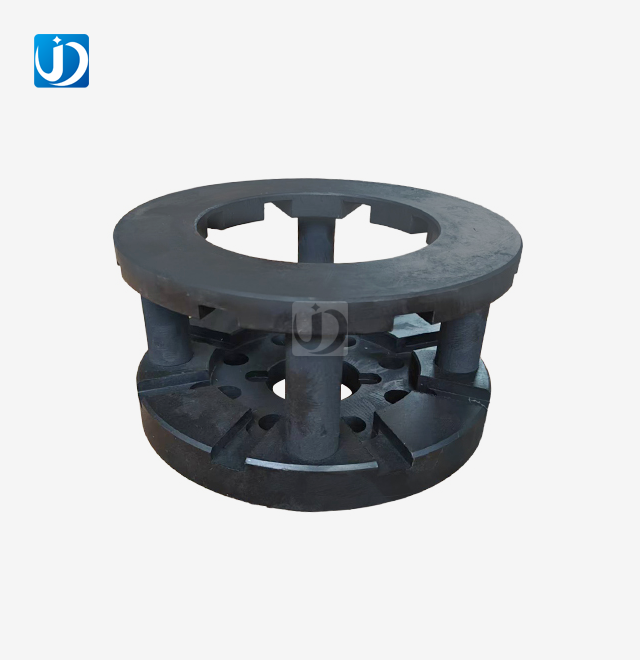
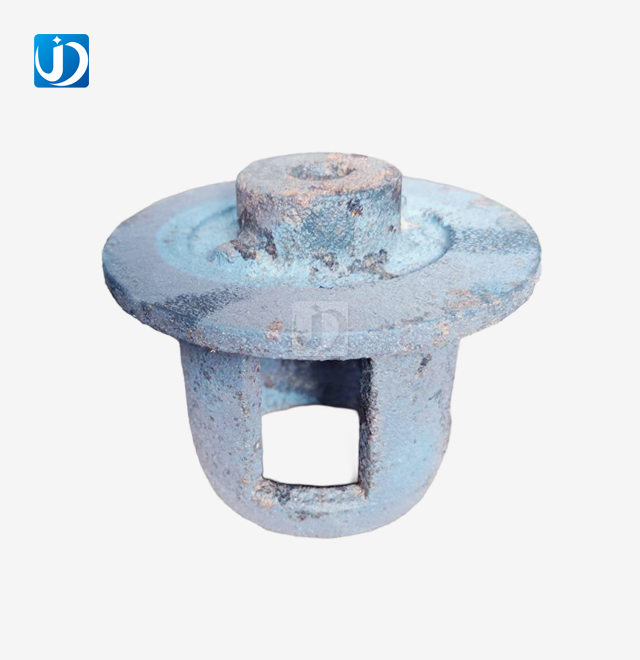
When teams buy something, they usually only think about how much it costs to buy it and not how much it costs to run for the whole time it's there. The blades, plates, and coarse media of steel plate shot blasting treatment are the parts of a turbine that cost the most over ten years of use. Before choosing them, get written instructions from the service provider on how often to change the blades, how thick the liners should be, and how much abrasive should be used for every tonne of material that needs to be processed. That way, the budget won't be shocked when the system is put in, and the ROI model will be more true.
Environmental and Technical Considerations of Steel Plate Shot Blasting
Dust Control and Regulatory Compliance
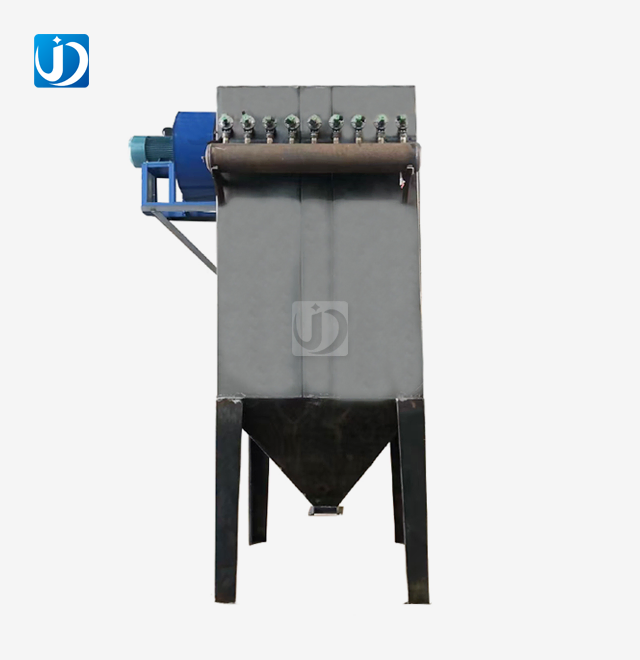
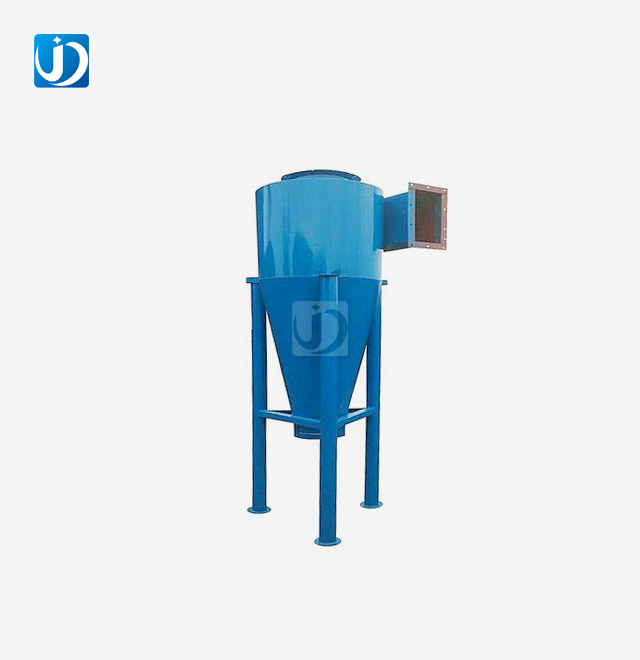
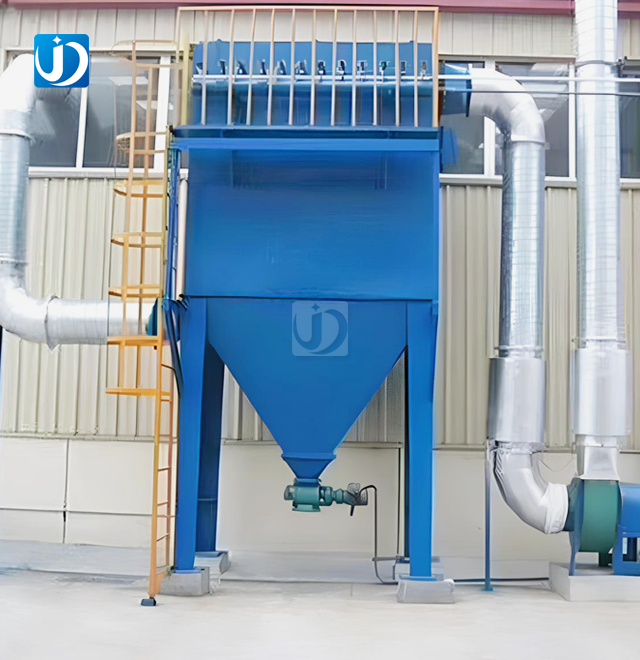
Particulate emissions stay below the limits set by regulations thanks to a closed-loop abrasive recovery system and a high-efficiency cartridge dust collector. When used in Southeast Asia, India, and most markets allied with the EU, industrial blast equipment has to meet local pollution standards. Managing dust properly also keeps turbine parts clean from fine particles, which means they don't need to be serviced as often.
Avoiding Over-Blasting and Profile Errors
When you run the conveyor too slowly or use abrasives that are too coarse, you over-blast. This removes too much surface material and makes a profile that is too deep for the coating system you want to use. This throws away covering material and can trap air pockets that make osmotic blistering more likely. This common mistake can be avoided by adjusting the conveyor speed and abrasive mix to meet the coating requirements.
Energy Efficiency in Production
Variable frequency drives are used on modern shot blasting lines to make turbine motors use less power when they're not in use. Energy optimisation has a direct effect on the running cost per tonne processed. Installed power ranges from 45 kW for lighter-duty lines to 220 kW for wide-plate heavy-throughput configurations.
Partnering with Trusted Steel Plate Shot Blasting ProvidersCredentials and Certifications to Verify
ISO 9001 Quality Management, ISO 14001 Environmental Management, and ISO 45001 Occupational Health and Safety are just a few of the good things that the company has done. In a lot of different countries, people who want to sell must have CE paperwork. Before you buy something, you should always make sure you get all the technical paperwork you need. Also, if you want to use the item overseas or in shipbuilding, make sure the seller has papers from the LR, BV, or KR classification society.
Evaluating Integration and After-Sales Capability
It takes longer to work when tools further down the line can't connect to the painting line. Make sure that the supplier's PLC control architecture works with the speed and timing rules of the coating lines you already have. It's just as important to help after the sale. It's much less possible that something will go wrong when you can get original spare parts, have experts install and commission it on-site, and fix it online.
In-House vs. Outsourced Processing: A Practical Framework
Most of the time, factories and steel service centers that move more than 500 tonnes of steel each month canach their own blast lines. Some small businesses that deal with odd amounts may find it cheaper to hire blasting services until they deal with enough to justify buying their own equipment. When does the company start making money again? How much it costs to move steel and how much people are paid where they work are two things that matter.

Conclusion
It's not just a cleaning step; the steel plate shot blasting treatment also checks for quality and has a direct effect on how long protective coatings last. After surface preparation, every step depends on doing it right the first time. That includes the cleaning needs for Sa 2.5 in marine classification society rules and the anchor profile needs of heavy-duty epoxy systems. Choose a well-designed automated line, check the credentials of the supplier, and set up a strict post-blast inspection protocol. These are the three things that separate fabricators who meet project requirements from those who have to do expensive rework.
FAQ
What is the difference between shot blasting and sandblasting for steel plates?
In shot blasting, steel abrasives that can be recovered are moved by wheels that spin. Sandblasting uses compressed air and mineral abrasives that are only used once and contain a lot of silica dust. This method has a higher output and is better for the environment.
How long can a shot blasted steel plate remain uncoated?
As long as the plate is kept in a controlled environment with less than 50% relative humidity, it won't flash rust for 4 to 24 hours. Shop primer shouldn't be put on more than two hours after blasting in hot tropical places.
Does shot blasting alter the steel plate's thickness?
It's measured in microns, and taking stuff away doesn't really make the plate smaller. The process does not remove any structural material. Instead, it makes an anchor pattern on the surface, which changes its shape.
What cleanliness grade do most industrial projects require?
An ISO 8501-1 standard called Sa 2.5 (Near-White Metal Blast Cleaning) is used for most protective coating applications, such as on ships, bridges, and pressure tanks.
How does abrasive choice affect the final surface profile?
Bigger pieces of steel grit make shapes with more angles, which are good for paints that build up quickly. When used with thin-film primer systems, smaller steel shot makes a shape that is thicker and rounder. Part of planning a process well is making sure that the abrasive requirements match the needs of the finishing.
Request a Custom Shot Blasting Line Quote from Junda Machinery
It has been twenty years since Junda Machinery planned and built steel plate shot blasting treatment lines that met the requirements of ISO 9001, CE, and the international classification society. Belt conveyors from our company can move plates that are 1.5 m to 5 m wide and can carry up to 28 t/h of stuff. They also have full PLC integration for lines further down the line that do coating. Send an email to junda001@jundablast.com or visit jundablast.com to talk to our engineering team about your project. It takes us 6 to 8 hours to answer all technical questions because we are a trustworthy steel plate shot blasting treatment provider.
References
1. SSPC: The Society for Protective Coatings. SSPC-SP10/NACE No. 2: Near-White Blast Cleaning. SSPC, 2007.
2. ISO. ISO 8501-1: Preparation of Steel Substrates Before Application of Paints and Related Products — Visual Assessment of Surface Cleanliness. International Organization for Standardization, 2007.
3. ISO. ISO 8502-3: Tests for the Assessment of Surface Cleanliness — Assessment of Dust on Steel Surfaces Prepared for Painting. International Organization for Standardization, 2017.
4. Keane, J.D., ed. Good Painting Practice: SSPC Painting Manual, Volume 1. SSPC: The Society for Protective Coatings, 2004.
5. Appleman, B.R. "Surface Preparation and Coating Performance." Journal of Protective Coatings & Linings, Vol. 10, No. 4, 1993, pp. 42–51.
6. Munger, C.G., and L.D. Vincent. Corrosion Prevention by Protective Coatings. 3rd ed., NACE International, 2014.

USER EVALUATE
Real feedback and practical experience shared by worldwide partners who purchased our machinery and environmental treatment devices.