
Struggling with high costs of manual rust removal? Shot blasting equipment cuts long-term operating expenses
If your facility still relies on workers with wire brushes, grinders, or hand-held sanders to remove rust from steel parts, you already know how expensive that gets. Labor hours pile up, surface quality varies shift to shift, and coating failures send jobs back for rework. Industrial shot blasting equipment offers a proven mechanical alternative that removes rust, mill scale, and surface contaminants at a fraction of the per-part cost of manual methods. This article walks through the real numbers, explains how the technology works, and helps you choose the right solution for your operation.

Understanding the High Costs of Manual Rust RemovalLabor Costs Compound Quickly
Manual rust removal demands continuous, skilled labor. A single worker typically cleans 5–10 square meters of steel per hour using abrasive discs or wire brushing. On large structural steel jobs—bridge girders, ship hull sections, pressure vessels—that pace simply cannot match project schedules. When overtime kicks in, direct labor costs can represent 60–70% of total surface preparation expense, according to SSPC surface preparation research data.
Inconsistent Quality Leads to Rework
Hand tools cannot reliably reach Sa 2.5 cleanliness levels as defined by ISO 8501-1. Pitting, embedded rust, and uneven anchor profiles cause premature coating adhesion failure. A single rework cycle on a structural steel project can cost more than the original preparation work, wiping out project margins.
Hidden Costs That Most Teams Miss
Beyond direct labor, manual processes carry costs that rarely appear on a single line item. These include consumable abrasive discs and wire wheels, personal protective equipment replacement, disposal fees for chemical descaling agents, and extended scaffold or fixture time. Each element adds to the total cost of surface preparation and erodes profitability on tight-margin contracts.
How Shot Blasting Equipment Works to Cut Costs and Improve Efficiency?
The Mechanical Process Explained
It has a fast spinning wheel that spins at 2,200 to 3,600 RPM and throws steel shot or grit at the surface of the piece of work. The contact energy gets rid of rust, scale, and old coats in seconds per square meter. This makes a steady anchor profile that can be measured in Ra or Rz. Abrasive is used more than once in the closed-loop system because it goes through a separator and then back to the blast wheel as clean media. This keeps the system's costs low.
Equipment Types for Different Applications
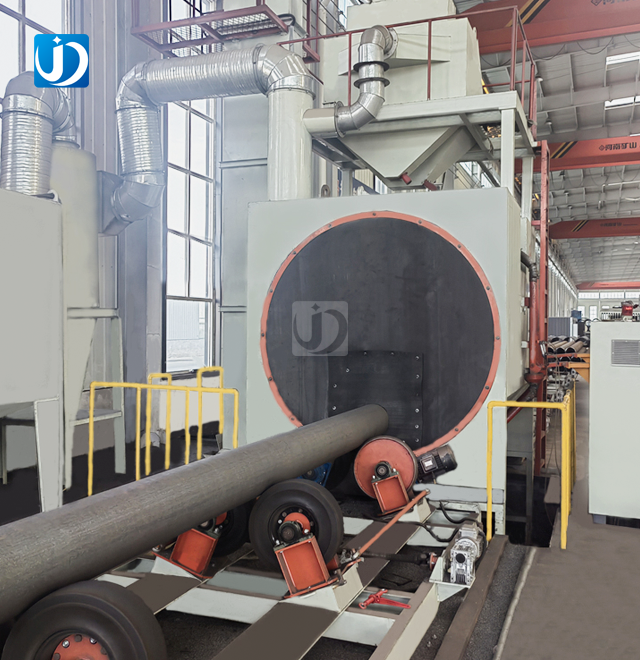
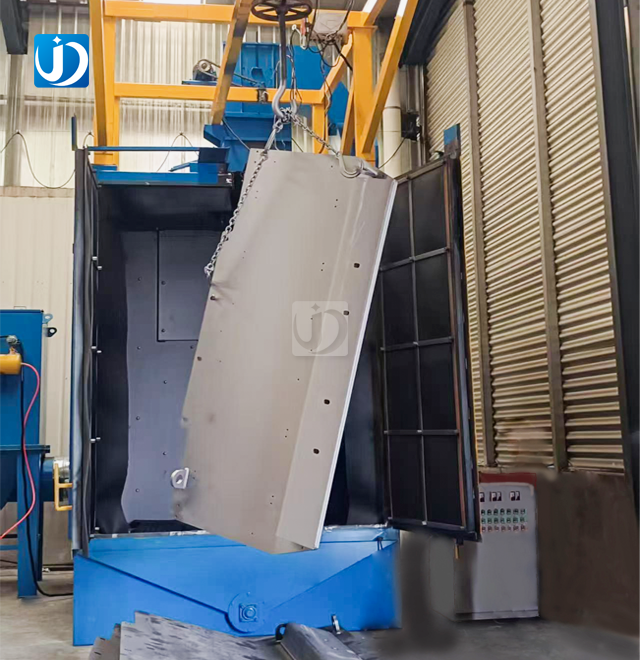
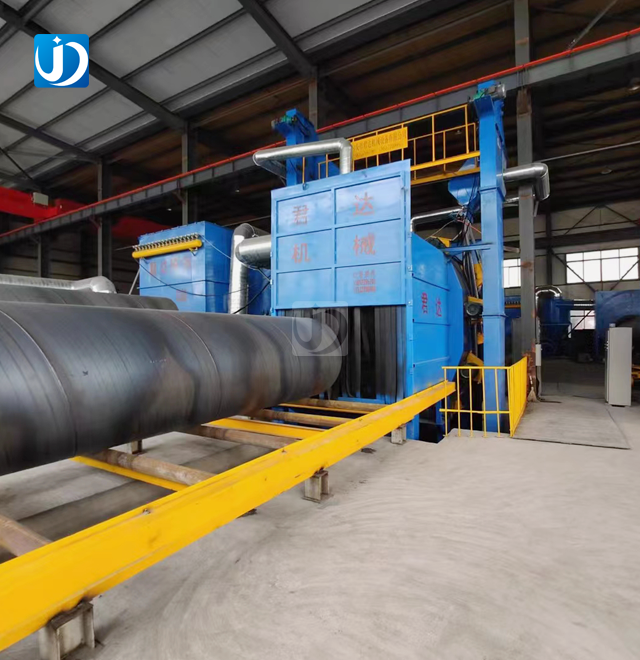
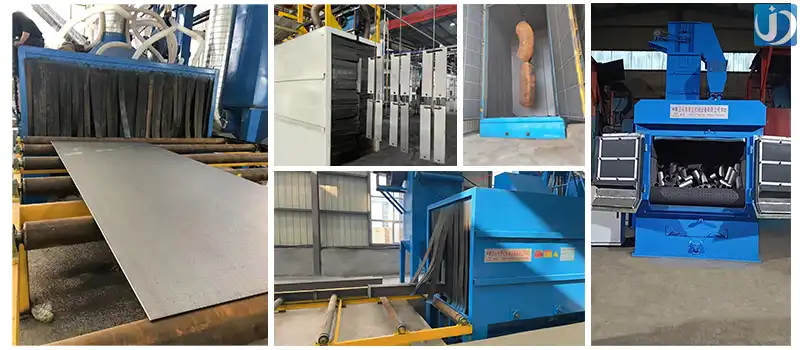
Roller conveyors in shot blasting equipment can move both flat steel plates and building parts like H-beams and box structures. Machines that tumble-blast clean cast iron, fasteners, and small parts that have already been made. Welds that are too big or too complicated to lay flat can be done with hanger tools. The cost per piece changes directly when you match the type of machine to the shape of the part. This is because each configuration has a different throughput range.
Automation Reduces Labor Dependency
Blast tools today only need one or two workers instead of five or more. The rate of grit feed, the speed of the conveyor, and the RPM of the wheels can be manually preset and kept steady. There is always the same amount of coverage in every area from shift to shift. The cost of labor to just prepare the surface is often cut by 40 to 60 percent when a facility switches from grinding by hand to automated blast cleaning.
These pros make up for the main issues with doing things by hand. It is better for clients in steel construction, shipping, and heavy manufacturing to always use Sa 2.5 as the finish. This means that there are fewer complaints about the coating and faster project cycles.
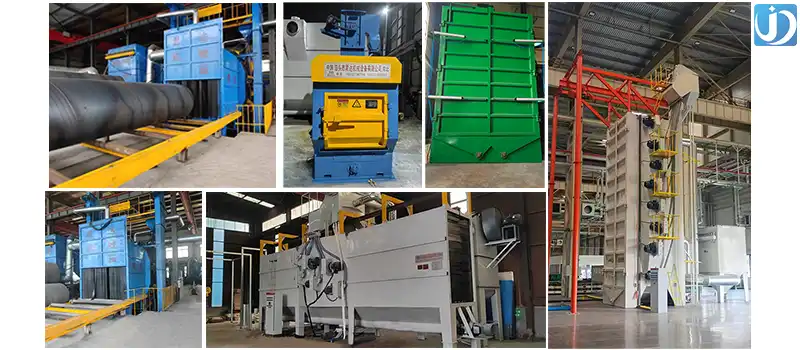
Comparing Shot Blasting Equipment: Key Factors for Cost Efficiency
That way, you can choose the best machine. Be honest about how much you want to make, the parts' sizes, and the room you have on site. Procurement teams should think about these important things before making a choice:
- Manual vs. automatic machines: Manual batch units carry lower upfront capital requirements but demand more operator time per ton of steel processed. Automatic roller or conveyor machines have higher initial investment but deliver a lower cost per square meter at volume, with ROI typically achieved within 18–36 months on medium-scale fabrication lines.
- Portable vs. stationary equipment: Portable units work on-site for large structures that cannot be moved. Stationary shop-installed machines deliver higher throughput and better abrasive recovery. If your work stays in the fabrication yard, a fixed installation usually pays off faster.
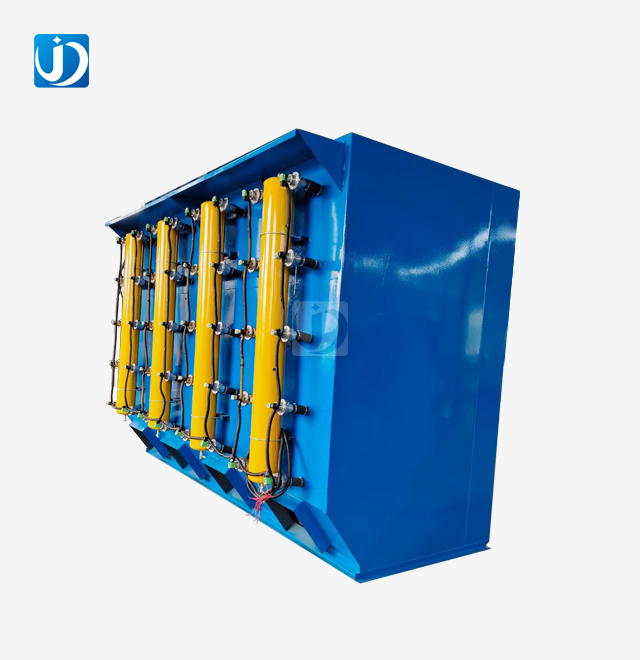
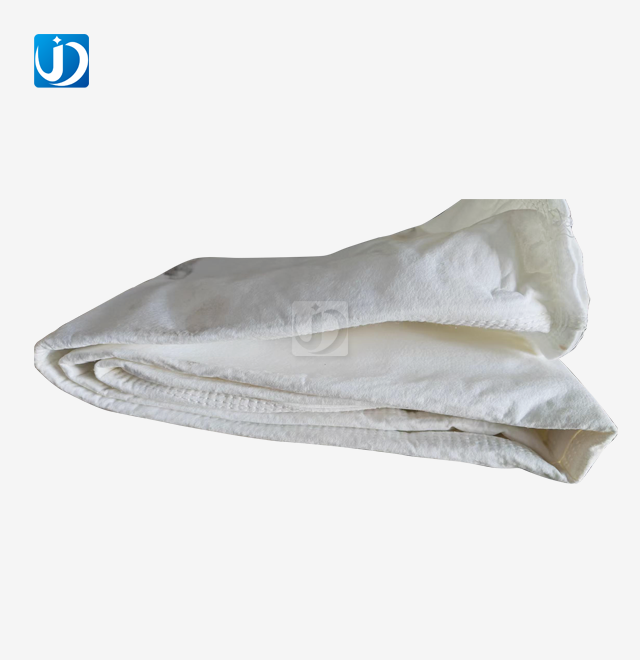
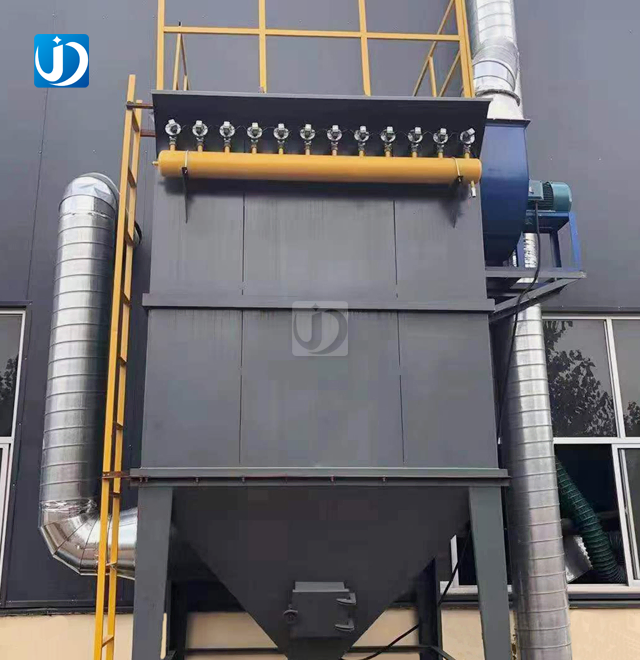
- Dust collection integration: Integrated pulse-jet dust collectors keep particulate emissions below 5 mg/m³, meeting OSHA requirements and equivalent regional standards. This removes the compliance liability that manual grinding and open sandblasting carry in enclosed spaces.
These three things determine both the start-up cost and the ongoing costs of running the business. Your investment will be safe and your running margins will stay healthy for 10 to 15 years, which is how long most equipment lasts.
Maintaining Your Shot Blasting Equipment to Maximize ROI
Routine Inspection Schedules
Most blast wheel blades made of high-chrome alloy (HRC 60+) last between 400 and 800 hours of use. Liner plates last more than 2,000 hours when everything is fine. Set up acoustic thickness checks on liners every 500 hours to find wear before it causes the plant to shut down without warning.
Abrasive Mix Management
The "operating mix" in shot blasting equipment, which is the mix of large particles that move around in the system, has a direct effect on the surface roughness. Test the mix with a sieve once a week and add new abrasive on top of it to keep the Rz profile constant. The finish will move, making it hard for the coating to stick after this step if you don't do it.
Operator Safety and Environmental Controls
Most of the time, the noise level near blast machines is between 85 and 95 dB. Operators must wear earplugs to protect their hearing, and blast rooms that are closed off must have enough air flow to the dust collection circuit. Parts must be free of oil before they can be put together. The dust collector works less well and the filters last less long when oily surfaces get into the gritty mix and clog the cartridges.
Industries Benefiting from Shot Blasting Equipment and How to Choose the Right Solution
Steel Construction and Bridge Fabrication
Large H-beams and bridge girders need to be cleaned and mill scale removed before they can be coated with marine-grade or industrial anti-corrosion paint. These parts are always being worked on by roller conveyor blast machines with many wheels that keep up with painting lines further down the line.
Automotive and Foundry Operations
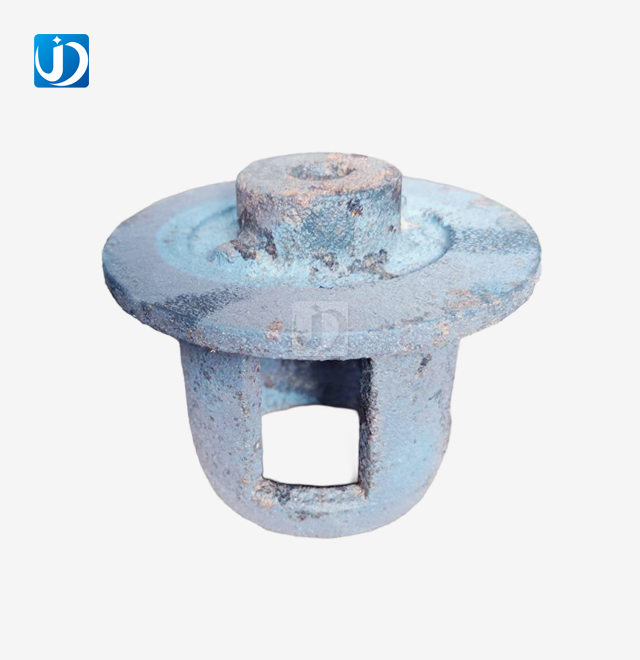
Cover the engine blocks, transmission housings, and suspension parts from all sides to get rid of casting skin and burrs. These parts are easy for tumble blast tools to work with in big groups. This helps foundries and machine shops keep production times short.
Procurement Guidance for Buyers
Make sure the seller has an ISO 9001 certificate, and when you choose one, ask for proof that you can track each batch. As per your facility's standard, check to see if the volts (380V, 415V, or 220V) work together and see if there are any extra parts that can be used. There is more to the total cost of ownership than just the price of the car. It also covers lead times, insurance, and help with online commissioning.

Conclusion
It's expensive, doesn't always work, and is hard to do to get rid of rust by hand. When you switch from manual work to a controlled, reliable method that makes a surface quality of 2.5 on a large scale, mechanical blast cleaning with shot blasting equipment gets rid of all three problems. Your steel fabrication shop, foundry, or shipbuilding yard will save money on the cost of preparing the surface of each part with a good blast machine. The coating will also last as long as the structure is used. You should make sure that the type of equipment, its size, and its level of automation all match your real output needs before you sign a purchase order.
FAQ
What is the difference between shot blasting and sandblasting?
Shot blasting uses a mechanical centrifugal wheel to propel metallic abrasives (steel shot or grit). Sandblasting uses compressed air to propel sand or mineral abrasive through a nozzle. Shot blasting is a closed-loop process with abrasive recycling, making it more cost-effective at scale. Sandblasting is more portable but generates higher consumable costs and greater dust exposure risk.
How often should wear parts be replaced?
High-chrome alloy blast wheel blades typically require replacement every 400–800 hours depending on abrasive type and wheel speed. Liner plates generally exceed 2,000 hours. A routine inspection schedule tied to operating hours prevents unexpected failures.
Can the machine process oily or contaminated parts?
No. Parts must be degreased before entering the blast machine. Oil contamination degrades the abrasive mix and reduces dust collector filter life significantly.
Can shot blasting machines be customized for specific voltage or environmental standards?
Yes. Equipment configurations can be adapted for local voltage standards and regional emission regulations. Customization options include machine dimensions, dust collection capacity, control systems, and surface coating specifications.
What surface cleanliness level does shot blasting achieve?
Well-maintained equipment consistently reaches Sa 2.5 to Sa 3 per ISO 8501-1, which is the standard required by most industrial coating specifications.
Get a Direct Quote from Junda Machinery — Shot Blasting Equipment Manufacturer
Junda Machinery has been making industrial blast cleaning systems for 20 years. These systems are used in foundries, steel building, and heavy manufacturing. They have ISO 9001, ISO 14001, and ISO 45001 certifications, and we ship all over the world with all the necessary paperwork. Get in touch with our expert team to get a CIF price and a list of the tools that will work best for your project. You can call us at junda001@jundablast.com or visit jundablast.com to see all the shot blasting equipment we sell.
References
1. SSPC: The Society for Protective Coatings. Surface Preparation Standards and Commentary. SSPC, 2019.
2. ISO 8501-1. Preparation of Steel Substrates Before Application of Paints and Related Products — Visual Assessment of Surface Cleanliness. International Organization for Standardization, 2007.
3. Keane, J. D., and Trim, B. A. Good Painting Practice: SSPC Painting Manual, Volume 1. SSPC, 2018.
4. Appleman, B. R. "Cost-Effectiveness of Surface Preparation Methods for Industrial Coatings." Journal of Protective Coatings & Linings, 2015.
5. Norsok Standard M-501. Surface Preparation and Protective Coating. Standards Norway, 2012.
6. OSHA Technical Manual, Section III, Chapter 3. Surface Contaminants and Industrial Hygiene in Abrasive Blasting Operations. U.S. Department of Labor, 2020.

USER EVALUATE
Real feedback and practical experience shared by worldwide partners who purchased our machinery and environmental treatment devices.