
How to Choose a Shot Blasting Machine for Metal Parts
To help you decide what to buy, look at the metal parts you want to blast first. What kind of material do you need? Write down the size, weight, shape, and standard surface you need to meet. Then link those facts to a machine type, like a hanger, a roller conveyor, or a tumble belt. Look over how the blast wheel is set up, how it collects dust, how it works, and where you can get wear parts. See how much it really costs to own something instead of just how much it costs to buy it. Last, check the parts out before you buy them. This method helps you pick shot blasting equipment that fits your plant, cleans well, and isn't too expensive.
This guide was made for buying managers, foundries, fabricators, and people who buy things for OEMs. You can go from asking the first questions to confidently asking for a quote because each section is about a different choice.
Start With Your Metal Parts and Production Needs
Document Your Parts and Surface Goal
People who want to buy something should always start with a simple part sheet. You could write down carbon steel, cast iron, aluminum, or something else. Add the shape, weight, length, width, and height. Take note of any surface flaws, such as mill scale, rust, core sand, or weld spatter, and make a note of any sections that are weak or thin. After that, write down the end you want. A lot of the specs for coated steel call for metal that is very close to white. This level is called Sa 2.5 by ISO 8501-1, and SSPC-SP 10/NACE No. 2 talks about a level that is very similar. A clear part sheet lets the supplier suggest the right shot blasting equipment instead of guessing. You won't have to buy a machine that is too big or too small either.
Calculate Real Production Volume
Catalog ability doesn't always match up with output on the shop floor. To find the throughput, you need to know how long the shift lasts, how much demand is at its highest, and how much growth is expected. It might take longer to change over than to blast in a job shop that works with different kinds of parts. A foundry that only makes one casting a day wants a regular flow more than anything else. First, decide how many tons or parts you want to make each hour. Then, leave some room for future orders. When a machine is too small, it cleans unevenly and too slowly, and because it is always working at full speed, its wear parts break down more quickly. It takes up too much space and power for a machine that is too big. It's fair to compare quotes because they all start from the same realistic point of view.
Plan Loading, Layout, and Utilities
How the parts fit into the machine shapes the design. A different kind of machine and a different floor plan are needed for an overhead crane, a conveyor feed, or robotic handling. Check to see if there is enough space for the dust collector, maintenance work, the ceiling height, and the crane to get in and out. Also, check where the power is coming from. A lot of plants in the U.S. use three-phase 60 Hz power. Junda Machinery can set up equipment to work with local voltage standards, so let them know as soon as you can about your supply. Plan where the dust will go and how it will get there. You won't have to pay a lot of money to make changes during installation if you agree on these things before you place your order.
Match the Machine Type to Your Parts and FinishKnow the Common Machine Types
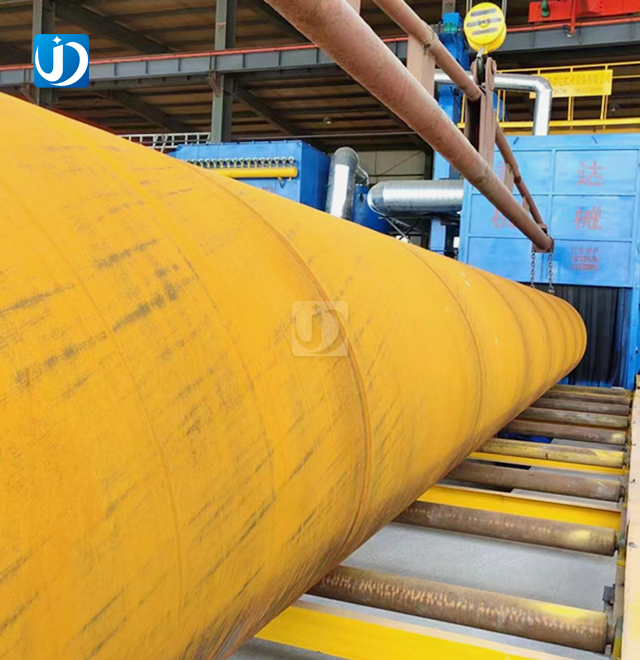
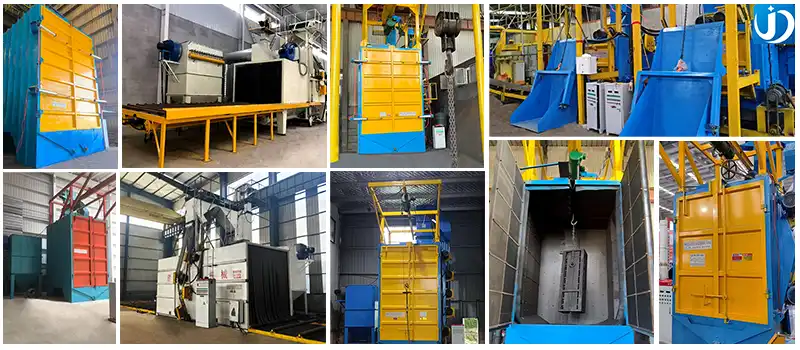
Parts of a certain shape are needed for each type of machine. The parts are blasted as the tumble belt machine turns them over, so it can handle small, strong parts like fasteners and small castings. Hooks on hanger machines hold heavy or fragile parts in place and spread them out in a controlled way. Steel plates, beams, and structures that have already been built can be used with roller conveyors. Parts are slowly moved through a process that never ends by mesh belt machines. Narrow jobs can be done by machines that have a rotating table, a pipe, or rebar. You can also choose shot blasting equipment by hand, partially automatically, or automatically. Because it saves time and makes things easy to do over and over, automation works best for steady work that needs to be done a lot of times.
Choose Abrasive Media and Check Cleanliness
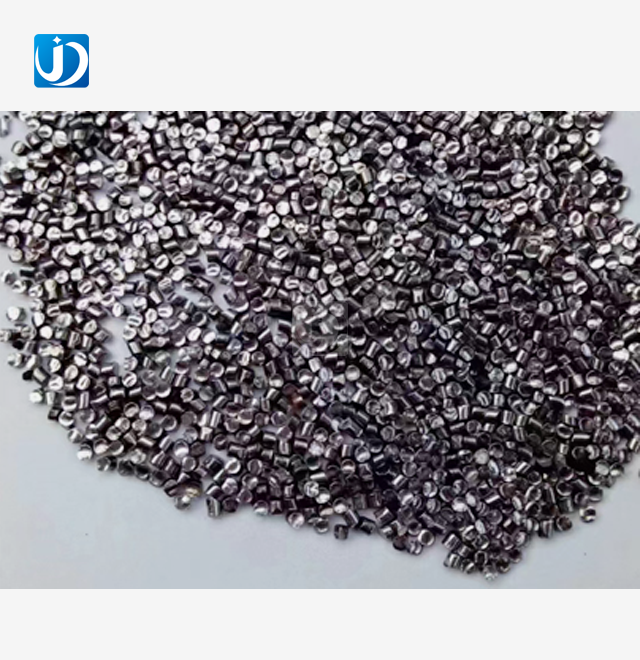
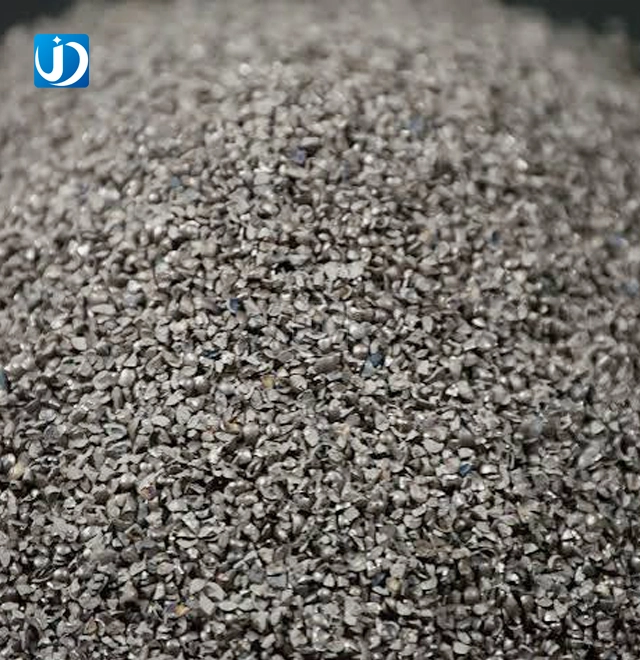
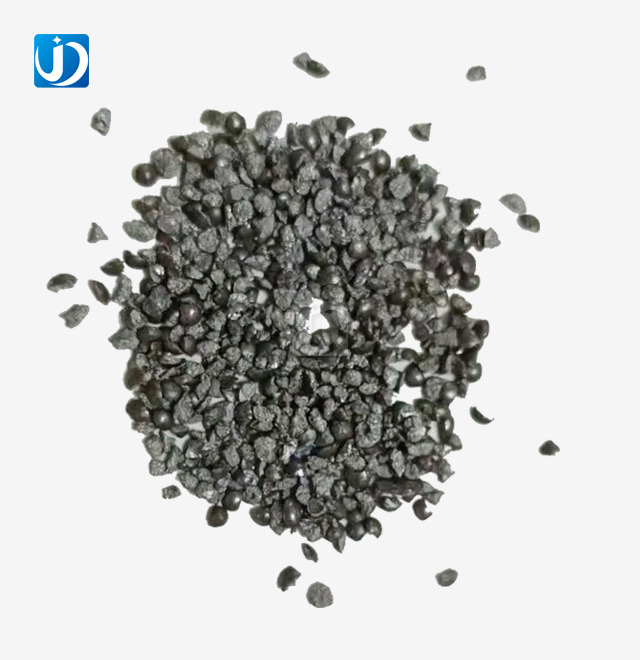
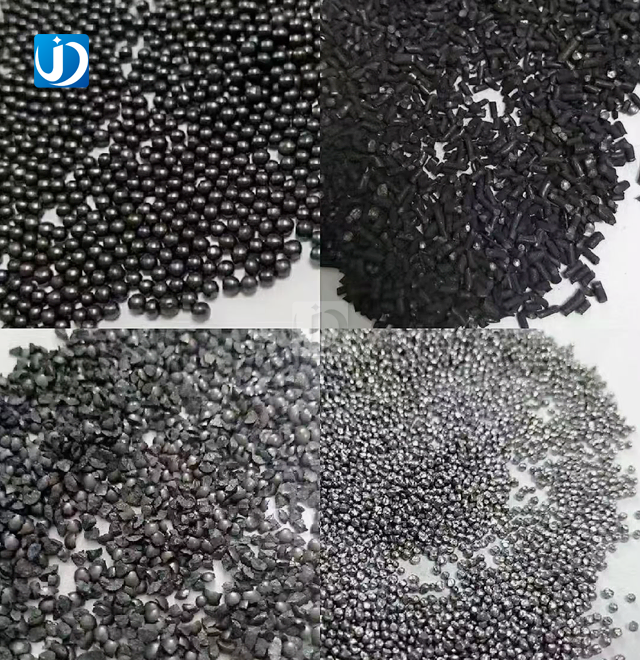
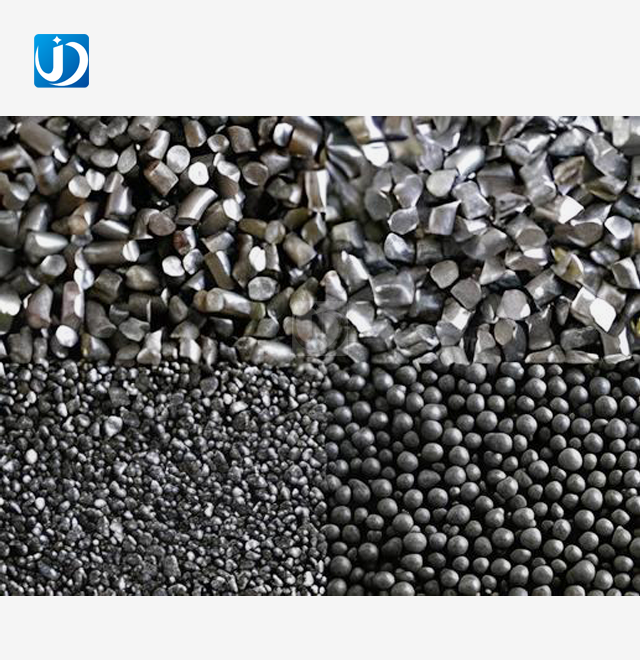
The media you choose changes both the end result and the business's costs. Steel shot cleans and smooths the anchor profile, while steel grit makes the anchor profile sharper and coats the grip well. For parts that need to stay iron-free, aluminum and other metals that aren't iron-based work well. Metal blast-cleaning abrasives are put into groups in ISO 11124-1, and ISO 8503-1 talks about how rough steel that has been blasted is. Figure out how you will check the results: use a roughness gage, compare them to ISO 8501-1 photos, or do a coating adhesion test. No matter where the blast wheel is put, how the part turns, or how the fixture is made, recesses and undersides may not get enough covering. Providers should show you how the wheels are set up to fit the shape of your part.
Compare Shot Blasting With Sandblasting
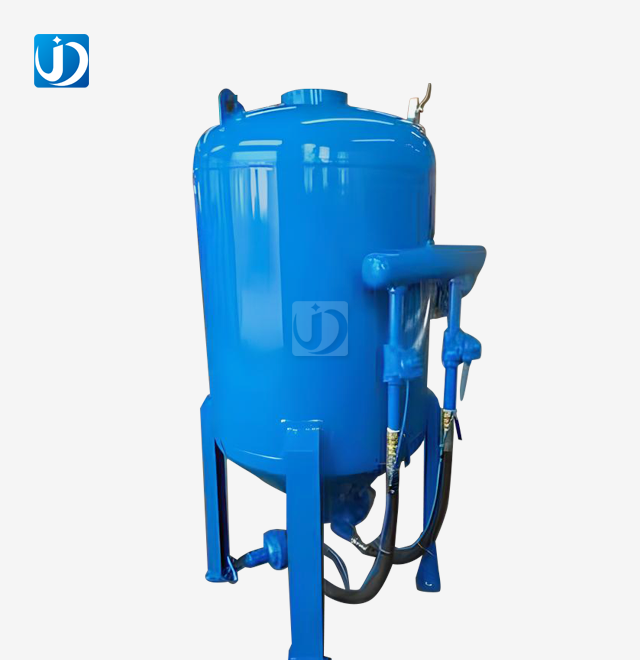
There are two different ways to fix things: air blasting and wheel blasting. A machine called a shot blaster with a spinning wheel throws metal abrasive at the surface. This makes it able to recycle the abrasive in a closed loop and give it a high throughput and even coverage. It's good for small fixes, work that needs to be done outside, and parts that aren't round or square. Also, silica sand is bad for you. Workers can be exposed to no more than 50 micrograms of respirable crystalline silica per cubic meter of air, spread out over eight hours. Metal is a good choice for many shops because of this. If you want to buy a used machine, you should think about how much it will cost to fix up, get new parts, and shut down.
Check Specifications and Total CostRead Specifications as a System
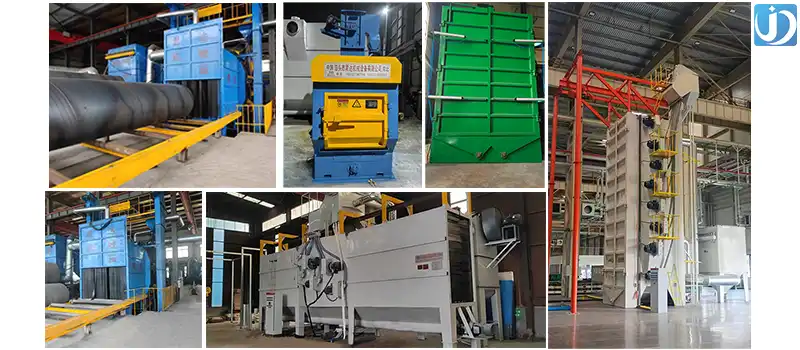
Motor power doesn't tell you much on its own. When you look at how the abrasive flow, wheel count and arrangement, liners, conveyor capacity, and separator efficiency all work together, you can see how they are connected. High-chrome alloy blades and liners are often used in industrial shot blasting equipment. Depending on the type of abrasive and the speed of operation, blades usually last between 400 and 800 hours and liners often last more than 2,000 hours. Ask suppliers how long they think each wear part will last in your situation. Check the access for maintenance, the sealing, and the vibration control as well. A machine that is hard to service will sit idle for longer.
Treat Dust Collection and Controls as Core Parts
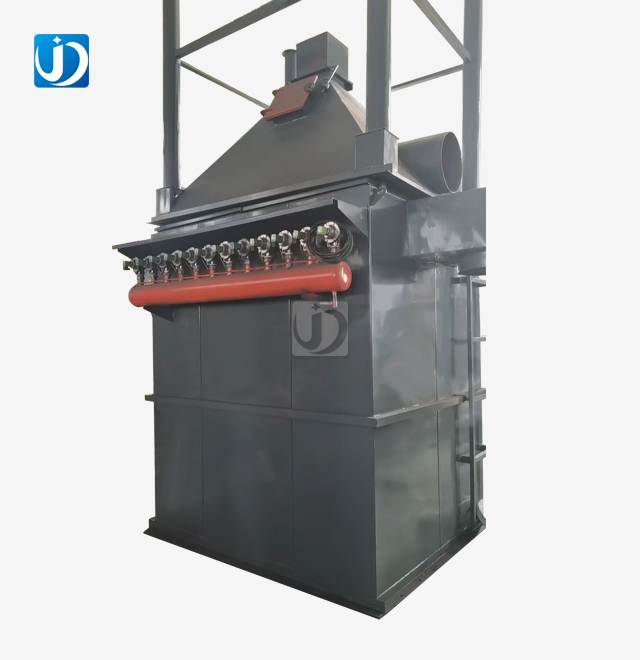
The machine needs the right amount of airflow, and the dust collector must safely get rid of the dust. Find out what kind of filter it is, how it is cleaned, and how the supplier checks the performance of the filter. For its shot blasting machines, Junda Machinery has made a dust removal efficiency monitoring system that checks how well the collector works. Controls are also important. Check for interlocks, emergency stops, overload protection, and alarms. Also, find out if the PLC controls the speed of the belt or roller so that the coverage is even. You can set the wheel speed with a variable frequency drive, which helps keep the surface roughness the same from batch to batch. Before you sign, make sure that you are following the safety and environmental rules in your area.
Count the Total Cost of Ownership
The price of the shot blasting machine given is just the beginning of the budget. Include the abrasive recovery, controls, installation, training, shipping, duties, and site preparation, along with the blast wheels, fixtures, conveyors, the dust collector, and the abrasive recovery. Then you need to add the costs of running it, which include abrasive, electricity, compressed air, labor, filters, liners, blades, belts, bearings, and planned downtime. Think about how much it costs per part or per ton, as well as how much time and money you save by not having to redo work. You should ask each supplier for a maintenance schedule and a list of suggested spare parts. With those papers, you can make an estimate of how much you will have to pay back that your finance team will believe.
Match Your Application and Judge the Supplier
Fit the Machine to Your Industry
Foundries need to get rid of sand and scale, but it doesn't change the shape of the parts much. Often, auto and OEM plants need recipes that can be used over and over and can be kept track of. They need roller conveyor lines with a lot of room, good dust collection, and a clean way to switch to the paint line since they work with steel plates and beams. Getting rid of mill scale in this way makes coats last longer, even in salty seas. For metal and thin parts, you need controlled impact and the right media. It is common to need machines that can only work with pipes, rebar, and profiles. Space shot peening is another exact use. This adds compressive stress to things to make them last longer after they've been used. Make sure that the machine doesn't break or get stuck while it cleans your parts.
Use a Supplier and Quote Checklist
When making shot blasting equipment, a good company should have a lot of experience, a deep understanding of engineering, and know how to sell and keep an eye on quality. Get names of people who have worked on projects like the one you want to see. Check that every quote tells you about the job's size, capacity, wheel configuration, performance, automation, included wear parts, warranty, delivery terms, installation duties, and anything else that isn't covered. When you ask for a step-by-step plan, make sure it includes everything from approval of the drawings to shipping, installation, acceptance, and testing in the plant. Keep an eye on how quickly the seller answers your questions and how it plans to get you spare parts. This will help you figure out how helpful the support team will be after the delivery. It is safer to buy things when the paperwork is clear, and costs don't just appear out of nowhere.
What Junda Machinery Offers Buyers?
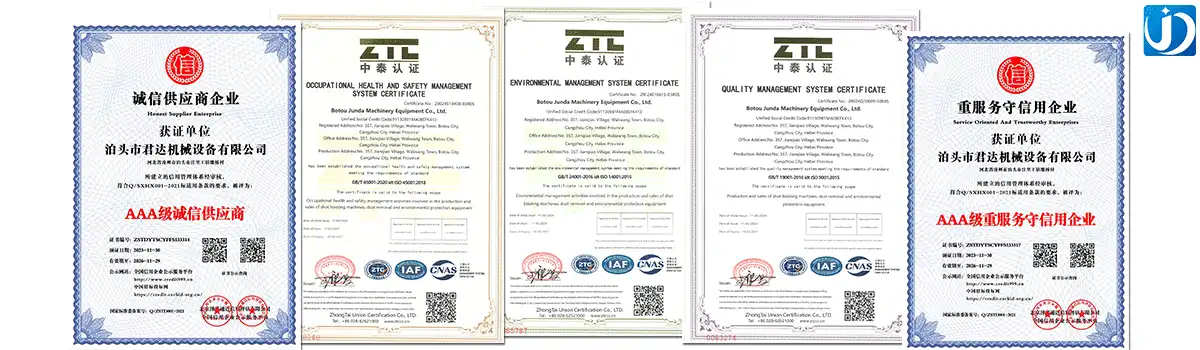
So that you can fair compare us, let me tell you what we have to offer. Botou, Hebei-based Junda Machinery has been studying and making shot blasting equipment for 20 years. Two utility model patents and seven software copyrights protect the ways we keep an eye on and manage things. We've also been given ISO 9001, ISO 14001, and ISO 45001 certifications. Customized standard machines can be made in about 15 days, but this depends on the specifics. We answer questions within 6–8 hours. We provide OEM and ODM services, including private labeling, a variety of voltage and dust systems, English manuals, maintenance videos, and training for operators. When it's needed, we can send an engineer from outside of Japan, and we always have original extra parts on hand.
Validate Your Choice Before You BuyRun a Sample Test With Real Parts
Catalogs say nice things, but examples prove them. In the production parts you send, include your hardest geometry, heaviest piece, and smallest part. Make a list of the cycle time, the type of media, the flow of abrasives, the surface finish, the damage to parts, the dust production, and the flow rate. A level of cleanliness, surface profile, residual abrasive, noise, emissions, energy use, and production rate should all be agreed upon ahead of time. A written test record keeps everyone safe and gives your team proof they can show upper management. Plan out the operation at this point as well. This should include the base, power, air flow, access for the crane, space for repair, training for the operator, and turning the machine on.
Avoid Common Selection Mistakes
People keep making the same mistakes. People buy from the cheapest quote, don't think the machine can hold enough, don't notice odd shapes, or don't think they need to collect dust. Another mistake is ignoring parts that are oily. You should clean them before blasting because oil on the abrasive makes the filters jam up. Poor user training can also lead to problems, so make sure you get both written instructions and hands-on training. It is also important to deliver. Ask about shipping, such as FCL or LCL containers, and customs paperwork to make sure the machine gets to you in time for your project. Export paperwork, such as customs declarations, certificates of origin, and more, can be helped with by Junda Machinery.
Score Your Options With a Weighted Matrix
That last call is easier to defend when there is a weighted matrix. You could make a list of things like part compatibility, cleaning performance, capacity, automation, dust collection, running cost, maintenance, and supplier support, as an example. Set weights that are in line with what's most important to you. A big OEM might value repeatability and line integration more than flexibility and quick changeover. On the other hand, a job shop might value each of these things more. Given a number between 1 and 5, multiply it by the weights, and then add them all up. Your score shouldn't be based on the cheapest quote, but on sample test results, service support that can be seen, and the total cost. The grid also makes it clear which machine you chose.
Conclusion
To pick the right shot blasting equipment for metal parts, you should use facts to guide your choices. The stage is set by part details, a realistic volume, and a way to load the model. There is a type of machine and an abrasive that meets the ISO 8501-1 guidelines for cleanliness and profile. It could be a tumble belt, hanger, roller conveyor, or something else. The specs only make sense when you look at the truck as a whole, with wheels, liners, controls, and a way to gather dust. The real investment can be seen in the total cost of ownership, not just the price paid for the item. Make your choice based on how well it fits the job, the supplier's information, sample testing, and a weighted matrix. Then, show proof of your choice. You're less likely to get a machine that is too small, too big, or too expensive if you do it this way.
FAQ
Which shot blaster is best for small metal parts?
A tumble belt machine is best for small, strong parts because it turns the parts while blasting them. Belts or hangers made of mesh might be better for small parts that are easy to break.
How do I decide between sandblasting and shot blasting?
When you work with metal abrasive that can be recycled, wheel blasting is a steady, high-volume method. Air blasting is the best way to fix small things or round parts.
Why does the price of a shot blasting machine change?
The price depends on the machine's size, the number of wheels, the level of automation, the dust collector, the conveyors, and any other features that are added. Not just the price, but also the whole job and how much it will cost to run.
How often should I change parts that get worn out?
This depends on the type of grit and how fast it is used. Liner blades usually last more than 2,000 hours, and high-chrome blades last between 400 and 800 hours. Check them often and write down how many hours you've used them.
Can Junda Machinery make a machine that fits my plant's needs?
Yes. The machine's size, how it collects dust, the painting, the control systems, the tracking software, the voltage, and the private labeling can all be changed.
Request Your Shot Blasting Equipment Recommendation From Junda Machinery
Junda Machinery needs to see your part drawings, material, dimensions, cleaning standard, and production goal. With 20 years of experience making shot blasting equipment, we can suggest a machine type, dust collector, and delivery plan. We'll get back to you within 6–8 hours. To get a sample test and a project quote, email junda001@jundablast.com or go to jundablast.com.
References
1. ISO 8501-1: Preparation of Steel Substrates Before Application of Paints and Related Products, 2007
2. ISO 8503-1: Surface Roughness Characteristics of Blast-Cleaned Steel Substrates, 2012
3. ISO 11124-1: Specifications for Metallic Blast-Cleaning Abrasives, 2018
4. SSPC-SP 10/NACE No. 2: Near-White Metal Blast Cleaning, 2007
5. OSHA Respirable Crystalline Silica Standard, 29 CFR 1910.1053, 2016
6. ISO 9001: Quality Management Systems — Requirements, 2015

USER EVALUATE
Real feedback and practical experience shared by worldwide partners who purchased our machinery and environmental treatment devices.