
How to Choose a Steel Pipe Shot Blasting Machine for Your Factory
Figure out what size, weight, and number of pipes you need to blast every day before you buy a steel pipe shot blasting machine for your factory. Then, match them with a machine that can give you the coating's surface grade. Make sure the blast wheel layout goes all the way around the pipe, the abrasive recycling system keeps the cost of the media low, and the dust collector follows the rules in your area. Instead of just looking at the purchase price, compare the total cost of ownership. Test your own samples and make sure the supplier offers service and spare parts. This guide shows you how to do each thing.
The first step in applying a coating is to prepare the surface. According to NACE International's IMPACT study, corrosion cost the world about us$2.5 trillion in 2013, which is about 3.4% of the world's GDP. One of the easiest ways to keep coating work from failing too soon is to make sure the pipe is clean and rough all over. With the right tools, you can get the same result every time.
Define Your Requirements and Understand the Process
Document Your Pipe Range and Output Targets
Write down what the machine needs to be able to do before you ask for quotes. Write down the smallest and largest outside diameters, as well as the length, wall thickness, weight, and type of pipe, such as seamless, spiral-welded, or straight-seam. Add the surface type, batch size, and daily shifts. Don't just say "pipes per hour," but also say "tons per hour." A short, thin pipe and a long, heavy pipe load a machine in very different ways. The step of blasting should never slow down the line that coats or insulates after it. Also, decide if you only need the outside cleaned or if you need both the outside and the inside cleaned. Providers can all quote on the same job with just one page of clear information.
Set Cleanliness and Roughness Targets
The surface target is set by your coating system. ISO 8501-1 says that grade Sa2.5 is a very thorough blast cleaning that gets rid of mill scale, rust, and old coatings, leaving only light stains. A lot of specifications for coating pipelines call for this grade. It's just as important to be rough. To grade the surface profile of blast-cleaned steel, ISO 8503-1 says what to do. The anchor profile gives epoxy and polyurethane coatings a way to stick to the steel. If the surface is too smooth, it will peel. Find the profile range on your coating data sheet, and then change the abrasive type and wheel settings to make sure the machine can reach it.
How a Steel Pipe Shot Blasting Machine Works
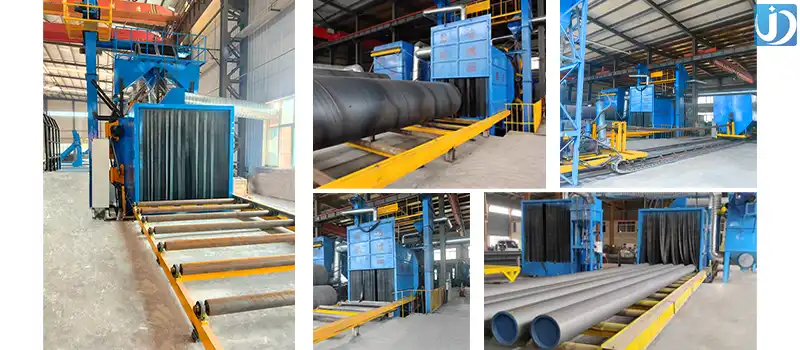
A steel pipe shot blasting machine moves each pipe through a room that is sealed off, and high-speed steel abrasive is thrown by centrifugal blast wheels. Rust, scale, and old coatings are stripped off by the impact, leaving a smooth surface. The wheels can reach all sides of the pipe better when they spin. The abrasive is then collected by a recovery loop, which separates it into pieces and dust. Then, usable media are sent back to the wheels while a dust collector moves air through the chamber. Wheel speed, abrasive flow, pipe rotation, conveying speed, and wheel position all affect how well the machine cleans. You can ask suppliers better questions if you know about these links.

Compare Machine Configurations and Surface Preparation MethodsRoller Conveyor and Rotary Configurations
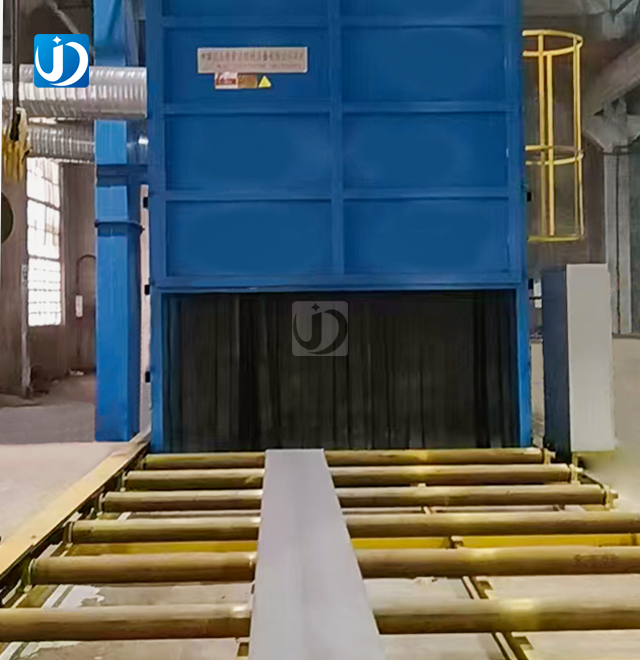
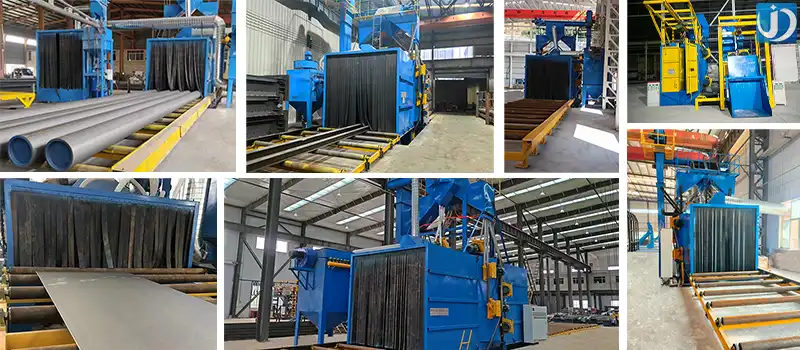
Pipe plants often have one of two layouts. Roller conveyors move pipes straight through the chamber and can keep making things in a certain size range. With rotary forward conveying, rotation is added, so each pipe spins as it moves forward, and the rough stream hits every side. To get rid of shadow zones, Junda Machinery uses V-shaped inclined rotating rollers with wheels that can be set at different angles. If your plant uses a range of diameters, find out how the roller spacing and wheel positions can be changed. A continuous through-feed layout keeps the line moving with less handling if you make a lot of batches that are all about the same size. Ask to see a layout drawing of your biggest and smallest pipes.
Automatic, Semi-Automatic, and Internal-External Systems
Automatic lines save settings, cut down on manual work, and can connect to coating lines, but they cost more and need more technical support. Smaller plants, pilot runs, and lots of product changes can all use semi-automatic machines. For cleaning the inside, you need a special system because wheels on the outside can't reach the bore. A system that cleans both the inside and the outside can save you time because you won't have to clean both surfaces separately. It is also important that the conveying speed can be changed so that operators can give pipes with heavy rust more time to be exposed and pipes with less rust a faster pass. Your maintenance team should be able to handle the level of automation you choose.
Shot Blasting Versus Other Surface Preparation Methods
Before you decide to go with shot blasting, think about the other options. Small jobs can be done by hand with sandblasting, but the skill of the operator is needed, and the abrasives only need to be used once. In mechanical shot blasting, steel abrasive is reused and the same settings are used on each pipe. As per OSHA's 2016 respirable crystalline silica standard, steel shot and grit are not silica sand. However, blasting dust still needs to be controlled. The goal of shot peening is not to clean, but to change the residual stress to make fatigue life better. Grinding by hand takes a long time on long pipes, and cleaning with chemicals means you have to handle and get rid of waste. Mechanical shot blasting is often the best way to make pipes that are made all the time because it gives the best balance of speed and repeatability.
Evaluate Technical Criteria and Match Your Production ScenarioBlast Wheels, Abrasive Type, and Recycling
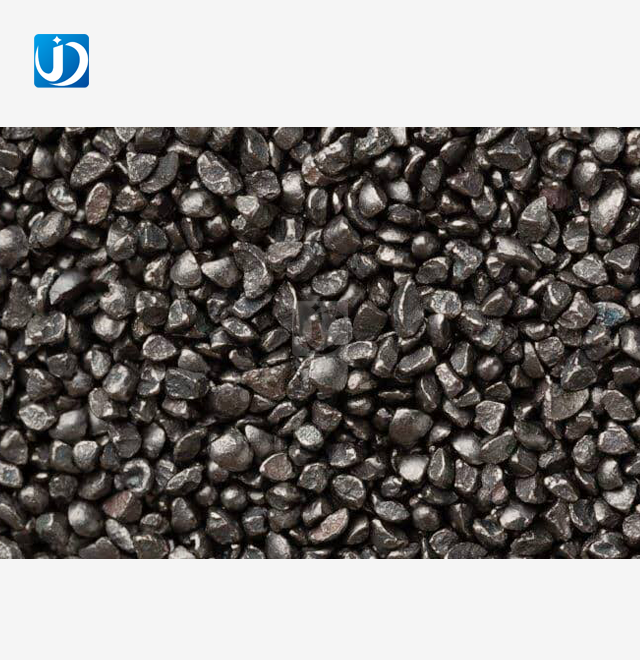
The machine cleans evenly based on the number of blast wheels, their power, their angle, and their coverage. Ask for a drawing of the wheel layout and make sure it shows the whole pipe circumference. The choice of abrasiveness shapes roughness. Cast steel shot, cast steel grit, and shot-grit blends can all be used in our pipe machine. You can change the mix to set the anchor profile. In terms of profile, shot cleans and grit makes it sharper. A closed-loop recycling system with a screw conveyor, bucket elevator, and air separator sends back to the wheels whole abrasive and separates dust and fragments, which lowers the amount of media needed. Let the supplier know what size of abrasive you use now so they can make sure it will work with theirs.
Dust Collection, Wear Protection, and Controls
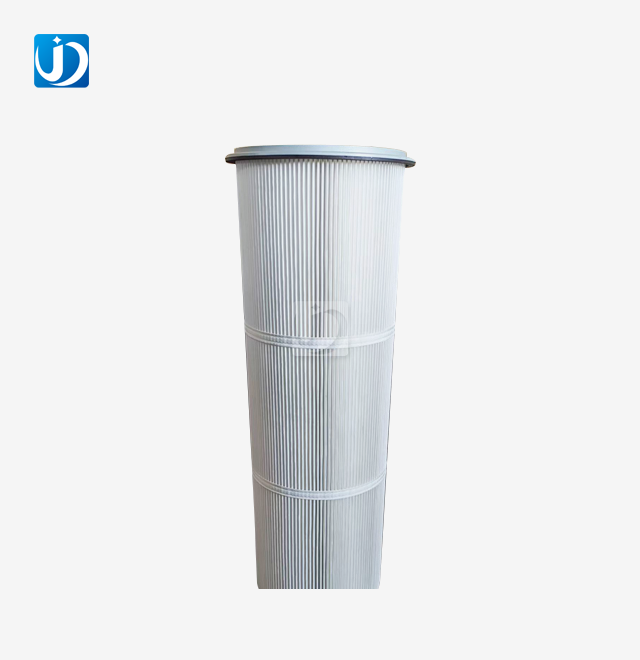
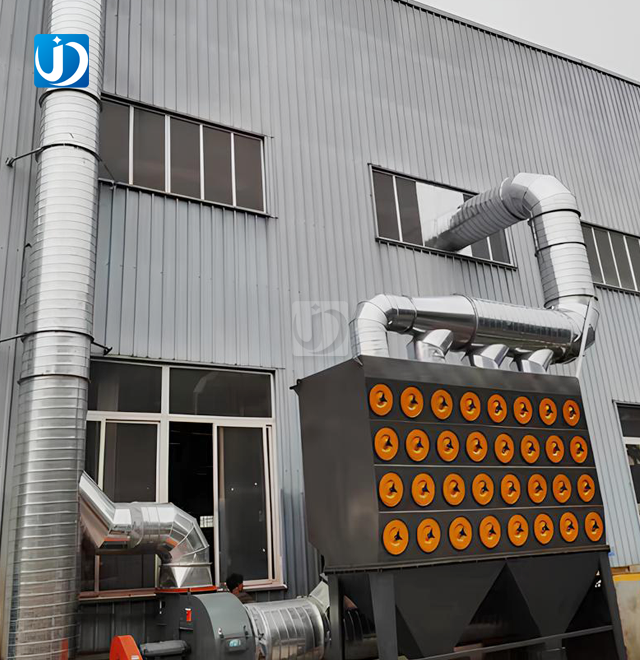
Ask what kind of filter it is, how much air it can move, and what the emission target is for your area. A dust collector that is too small can leave dust in the plant and make inspections difficult. Many industrial sites in the US use three-phase 60 Hz power, so US plants should also check the voltage and frequency. Junda Machinery can make changes based on local voltage and environmental rules, and our rotary series has a design that keeps dust out. Wear plates and chamber liners are constantly being hit, so check the material and see how quickly crews can replace them. Setup mistakes are less likely to happen between jobs when PLC controls have fault alerts and saved settings.
Match the Machine to Your Production Scenario
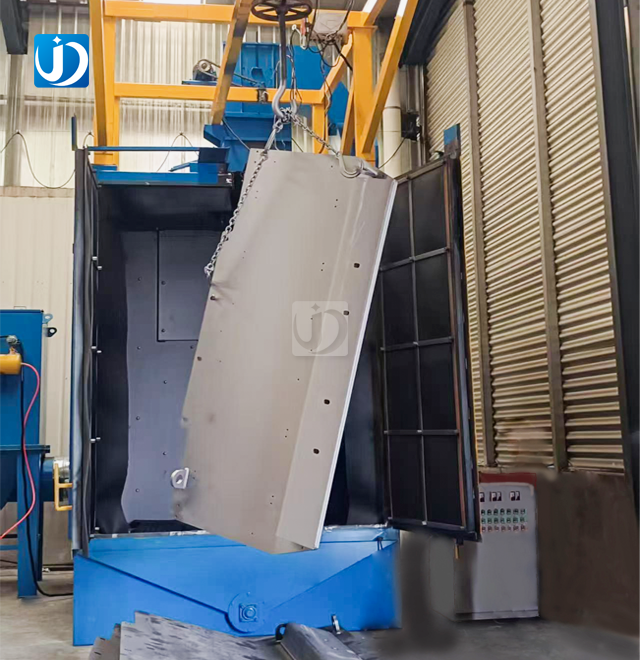
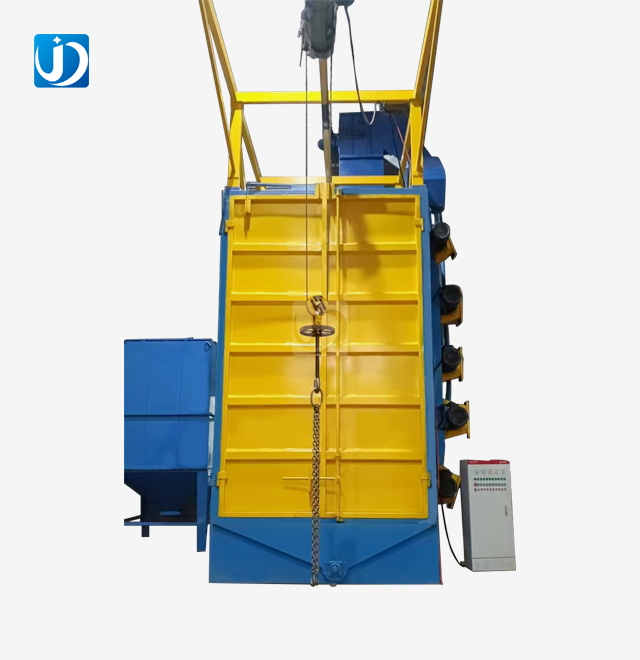
Companies that make a lot of pipes need continuous through-feed lines, a number of blast wheels, and a direct link to stations for painting, insulating, and preventing rust. Item that is big and heavy needs stronger supports and protection against wear. It can handle single hook loads of up to 8,000 kg, hook rotation speeds of 2 to 5 r/min, installed power ranges from 15 kW to 120 kW, and processing speeds of 1 to 12 t/h. Mixed-size plants should put an emphasis on being able to be moved around and set up quickly. Shops that aren't very big might like small semi-automatic units better. Distributors and OEM buyers should also look at the options for private labeling, English documents, and export packaging.
Calculate Total Cost and Assess the Supplier
Look Past the Purchase Cost
The steel pipe shot blasting machine itself doesn't cost as much as what you will spend on it. Add up the cost of electricity, abrasive, filters, wear parts, labor, lubricants, repairs, and downtime. Because abrasive costs a lot over time, closed-loop recycling is important. Used equipment may be cheaper at first, but it may have old controls, parts that are worn out, and spares that are hard to find. Ask each supplier to give you an estimate of how much abrasive and energy they will use in a day in your situation. Then, put the estimates next to each other and compare the results. Your coating line is also held up by every hour it is not in use.
Compare Quotations and Verify the Supplier
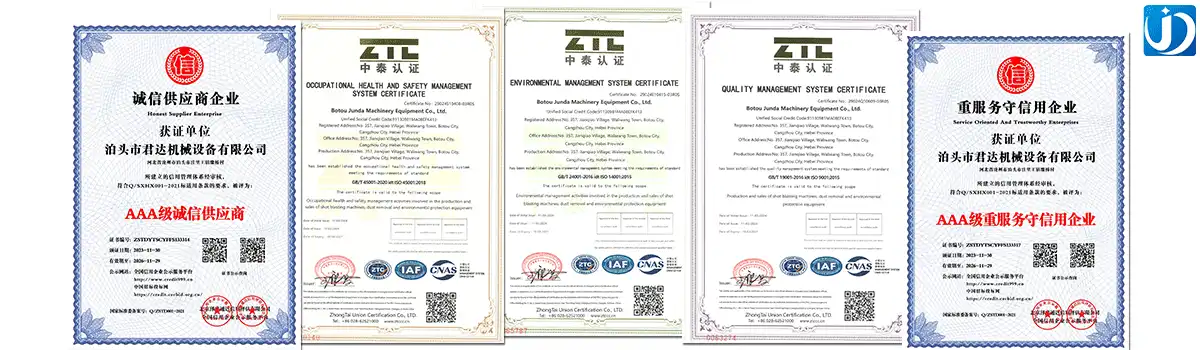
Quotes are only comparable if they cover the same areas. Ask each bidder to list the capacity at your pipe sizes, the items that are included, the warranty, the delivery time, the installation, the training, and the shipping terms. Then look into the business that gave you the quote. There are 20 years of experience and ISO 9001, ISO 14001, and ISO 45001 certifications for Junda Machinery, which is based in Botou, Hebei. As of now, we have two utility model patents and seven software copyrights. It takes about 15 days to make standard customized equipment, and we answer questions within 6 to 8 hours. We also offer English manuals, videos on how to do maintenance, remote guidance, training for operators, and original spare parts.
Core Advantages of a Junda Machinery Rotary Pipe Line
Here are some of the best things about our rotary pipe line:.
- Rotary forward conveying: V-shaped inclined rotating rollers turn each pipe while it moves forward, and the multi-angle blast wheel layout removes shadow zones. You get even coverage around the full circumference and consistent surface quality up to Sa2.5, which helps pipes meet coating inspection requirements and reduces the need for a second cleaning pass.
- Continuous through-feed design: Pipes enter and leave the machine without stopping, and the conveying speed can change to suit rust level. This lets the machine connect directly to rust prevention, painting, and thermal insulation stations, which suits mass pipe production where blasting must never become the slowest step on the line.
- Adjustable anchor profile: The machine works with cast steel shot, cast steel grit, and shot-grit blends, so operators can control surface roughness. The continuous micro anchor texture helps epoxy and polyurethane coatings resist peeling, which supports longer pipeline service life. Matching the abrasive mix to the coating data sheet sets the target profile.
These features fix common production issues like cleaning that isn't even, lines that get stuck, and coatings that don't stick well.
Follow a Clear Buying Process and Make the Final Choice
Run a Step-by-Step Purchase Process
Risk is lower in a structured process. Add information about the pipes, the level of cleanliness, the capacity, the shifts, the layout, the power supply, and the environmental limits to the requirement sheet. Shortlist machines based on how well they fit your needs, then ask for quotes with the same supply scope. You can test your own pipe samples or watch a video of pipes that are similar. Make sure you check the cleaning grade, processing time, use of abrasives, and dust control. A roughness reading with a digital gage, a visual comparison against ISO 8501-1, a blast wheel balance, and a dry run before shipping are all common quality checks. Write into the contract the conditions that must be met for capacity, surface grade, delivery dates, training, and the warranty.
Avoid Common Buying Mistakes
A low quote doesn't always mean a low price. Four mistakes keep happening: a dust collector that is too small, wheels that don't have enough power, bad wear protection, and poor customer service after the sale. It's also a mistake to believe a general capacity claim without testing the pipes themselves, since the real output depends on the diameter, the level of rust, and the way they are loaded. People also forget about needs that will come up in the future, like bigger pipes, more of them, or a different coating specification. Check to see how easy it is to do maintenance, if the parts are standard, and how fast spare parts get to you. For plants in the US, you should add time to your schedule for shipping, installation, and electrical inspection.
Use a Simple Decision Guide
The best steel pipe shot blasting machine for you will depend on what you want to do. A strong abrasive recovery line with several blast wheels and a direct link to coating stations is what you need if you need to get a lot done. If you need to be flexible, pick a rotary or semi-automatic machine that can be moved around and has quick setting changes. Ask for a dedicated combined system if you need to clean the insides. If the main limit is the cost at the start, compare small machines, but also think about the work and future limits. In every case, you should look at engineering experience, construction that doesn't wear down easily, service speed, the ability to get spare parts, and past projects as examples.
Conclusion
Before you buy a steel pipe shot blasting machine, you should know the size of the pipe, its weight, how much it can produce, and what kind of surface finish your coating needs. Well-placed blast wheels on a rotary or through-feed layout clean evenly up to Sa2.5, and adjustable abrasives set the anchor profile that coatings need. Closed-loop abrasive recovery and sealed dust control keep the work area safe and lower the cost of running the machine. When you look at shot blasting next to other methods, you can see why mechanical systems work best for making pipes all the time. Adding up the abrasive, energy, wear parts, and downtime to the total cost gives a more accurate picture than just the purchase price. A good choice is backed up by sample tests, similar quotes, and supplier checks on service and spare parts. The most common mistakes are avoided by buyers who write down their needs first.
FAQ
What size steel pipe shot blasting machine do I need?
Start with your daily tonnage, the range of pipe diameters, and the speed of the line. Our Rotary Hanger series can handle between 1 and 12 t/h of output, so check that range against what your coating line can handle.
Which surface grade should I ask for?
Pay attention to your coating data sheet. In line with ISO 8501-1, many coating systems for pipelines need Sa2.5 and a certain anchor profile. The surface quality of our rotary pipe machine is always up to Sa2.5.
Can I keep using my current abrasive?
The machine can use cast steel shot, cast steel grit, or a mix of shot and grit. Send us the type and size of abrasive you're currently using, and our engineers will make sure it will work with what you're ordering before you place your order.
How does the machine control dust?
The design is completely sealed, and there is a dust collector attached to get rid of particles in the air. Let us know what the local emission limit is, and we'll set up the dust collection system to meet it.
How fast can you deliver?
Depending on the machine, standard customized equipment can take up to 15 days. We answer questions within 6 to 8 hours and write down confirmations of delivery dates.
Request a Steel Pipe Shot Blasting Machine Recommendation from Junda Machinery
Junda Machinery needs to know the diameters of the pipes, the thickness of the walls, the maximum weight, the condition of the surface, the target capacity, and the power conditions. With 20 years of experience making steel pipe shot blasting machines, we will help you figure out the best way to set up your plant, how much it can hold, when it will be delivered, and how to get help after the sale. The ISO 9001, ISO 14001, and ISO 45001 marks and our ODM/OEM service back up every project. For more information, email junda001@jundablast.com or go to jundablast.com.
References
1. ISO 8501-1: Preparation of Steel Substrates Before Application of Paints and Related Products – Visual Assessment of Surface Cleanliness, 2007
2. ISO 8503-1: Preparation of Steel Substrates Before Application of Paints and Related Products – Surface Roughness Characteristics of Blast-Cleaned Steel Substrates, 2012
3. ISO 12944-4: Paints and Varnishes – Corrosion Protection of Steel Structures by Protective Paint Systems – Types of Surface and Surface Preparation, 2017
4. NACE International, International Measures of Prevention, Application, and Economics of Corrosion Technologies (IMPACT) Study, 2016
5. U.S. Occupational Safety and Health Administration, Occupational Exposure to Respirable Crystalline Silica Final Rule, 2016
6. American Petroleum Institute, API Specification 5L: Line Pipe, 2018

USER EVALUATE
Real feedback and practical experience shared by worldwide partners who purchased our machinery and environmental treatment devices.