
How to Choose the Right Blast Wheel for Shot Blasting Equipment
To choose the right blast wheel, start with the machine it must fit, then check blade material, balance quality, and the abrasive you plan to throw. Match the model code, such as 034, Q034, or Q030, to your shot blasting equipment before anything else. Next, compare high-chromium blades with ordinary cast iron, because wear life changes the operating cost of every shift. Finally, ask for a balance report and a clear maintenance plan. I wrote this guide to help equipment makers, distributors, and plant maintenance teams make this decision with fewer surprises after installation.
Understanding the Basics of Blast Wheels
How a Blast Wheel Powers a Shot Blasting Machine?
A blast wheel is a part that spins and uses centrifugal force to hit a piece of work with abrasive. In the middle of the wheel, it falls and speeds up along the blades. It then comes out in a steady stream. Any shot blast cleaner will have wheels that move at a speed of between 2,200 and 3,000 RPM. At that speed, each steel shot or cut-wire has enough force to peen the surface or remove scale, sand, or rust. The blast wheel spins the whole machine, so its condition determines how fast, evenly, and steadily it works.
The Parts Inside the Wheel Assembly
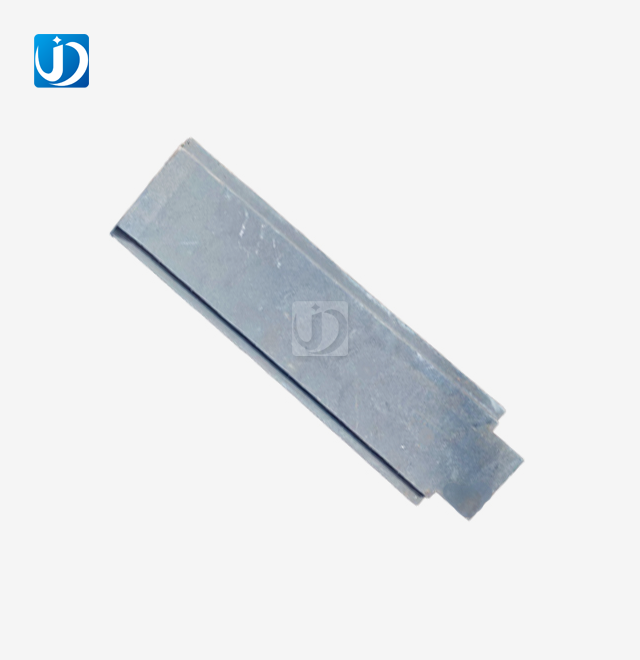
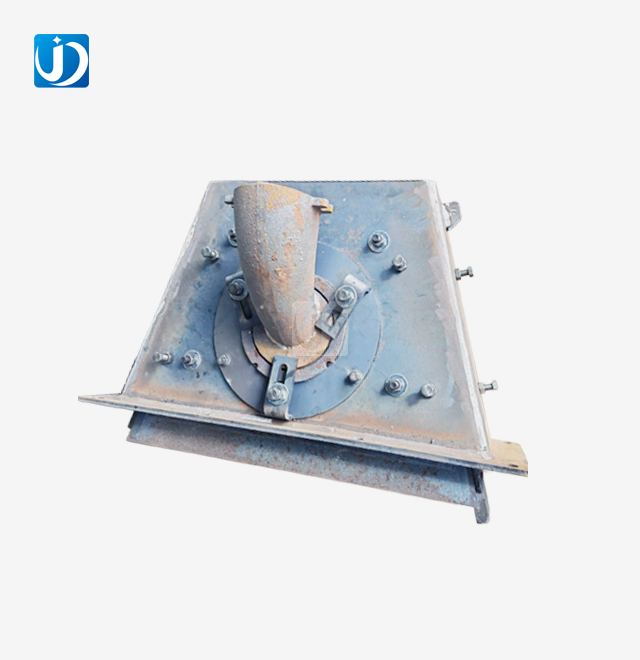
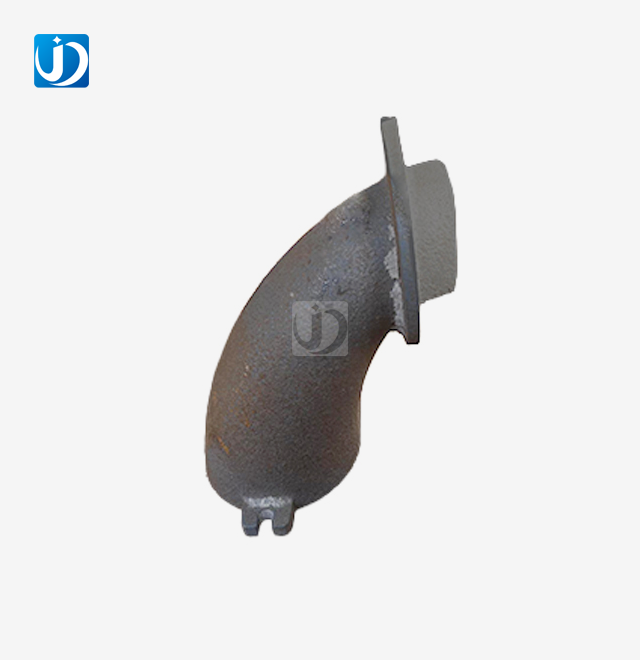
They both have pretty much the same things that make them work. You can pick where the abrasive leaves the wheel through a small hole in the control cage. This changes the way the blast moves. It moves faster because of the vanes, which are also known as blades. The plates on the wheels keep the blades in place, and the covers protect the main body. The blades and control cage are the first parts to break because they are used up the fastest. To keep an eye on these two parts, I tell teams that a worn control cage or blade will weaken the blast pattern long before the blast wheel stops spinning.
Wheel Types and Compatible Workpieces
Different types of wheels have disk layouts, blade sizes, and ways of moving that are not the same. Each machine family also has a model code, which can be 034, Q034, or Q030. This is what sets the fitting interface, so the wheel might not fit even if it looks the same. It's also important what the piece is made of. Steel shot or grit works well on most steel or cast iron parts. Die-castings made of metal that have thin walls, like car bodies, need less energy and better media choice to keep them from deforming. In your search for the best steel blast media, remember that the blast wheel should be able to throw it at a speed and in a way that the part can handle.
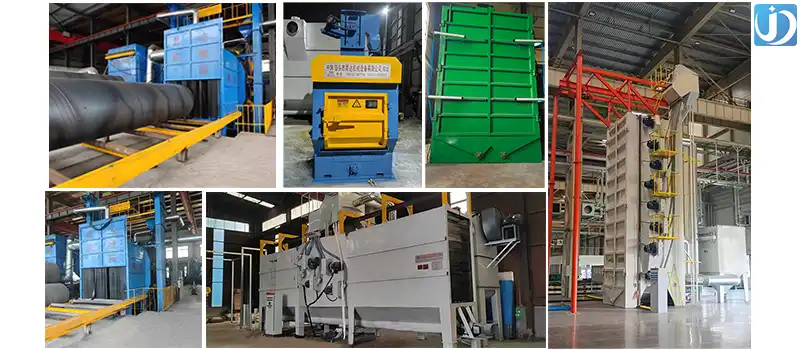
Essential Criteria for Choosing the Right Blast WheelStart With the Workpiece, Surface, and Volume
First figure out the job, then check out a few shops. Write down how big, heavy, and what the piece is made of. Then write down whether the surface has light rust, heavy scale, welding slag, or casting sand. Plan out how much work you want to do. After several shifts, a line will wear out its blades faster than a batch machine. It's also important to finish the goal. An awful lot of coating specs talk about ISO 8501-1 cleanliness grades, such as Sa 2.5. To hit that mark, the blast wheel needs to have enough power and coverage to not damage the thin parts. Make a note of these. That page tells you what to buy and keeps orders from going to the wrong place.
Technical Specifications: Fit, Balance, and Blade Material
The new wheels should match the old ones in terms of their diameter, mounting size, motor power, and rotation speed. Check the original machine data to make sure. After that, ask about the weight. Leaving a wheel out of place can cause the machine to shake and the joints to wear out faster. ISO 21940-11 lists the balance quality grades. G2.5 is a tight grade that some buyers ask for. Last, look at the material of the blade. High-chromium cast irons are included in ASTM A532 because they don't wear down easily. Plain cast iron blades last between 200 and 400 hours of use most of the time. Most of the time, blades with a lot of chrome last three to five times longer.
Compliance and Total Cost of Ownership
Rules about health and safety and the environment also play a role in the choice. The blast wheel moves inside a cabinet that keeps dust out. Check to see if the dust control and guarding meet the rules in your area. Look at OSHA's rules about safety and air flow in the US. Then don't just look at the price per unit. Keep track of the time, energy, and work that goes into each blade change. A blast wheel with blades that last longer usually costs less per hour of use, even if it costs more to buy. From this point of view, you can keep your earning margins on both new tools and service after the sale.
Comparing Different Blast Wheel Solutions on the Market
Blade Material: High-Chromium Alloy Versus Ordinary Cast Iron
To save money, most blades are made of cast iron, but they break quickly when steel shot hits them. High-chromium metals, such as Cr18 and Cr27, which are used in shot blasting wear parts, last longer before they need to be replaced. When something lasts longer, people will call the builder less often to fix it or complain about it. It means you won't have to stop as often for plants. But it's not just about how hard something is. How well a blade fits and wears depends on how well it was shaped, heated, and cast.
OEM Parts, Aftermarket Replacements, and Custom Designs
There are three main choices for people who want to buy something. Original parts from the company that made the machine will work, but it could take a long time to get them. Another source can sell custom wheels for the 034, Q034, and Q030 as long as they are the right size and fit the fitting interface. Custom designs are made to meet special needs, like those that need to be able to handle a lot of use, dangerous settings, or food-grade standards. Look at more than just the quote. Check the fit, the material records, the balance reports, the lead time, and the support for spare parts. Before you order more from a new provider, a sample order is a safe way to see how they work.
Matching the Wheel to Real Applications
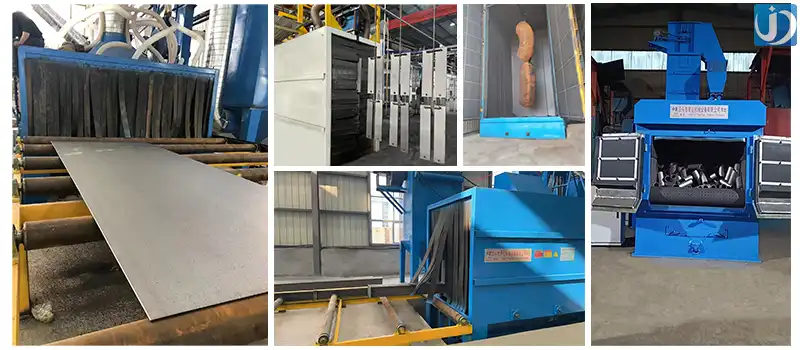
In each business, the blast wheel is stressed in a different way. Thin housings don't get flash or rust when they are die-cast in aluminum. In other words, steady pattern and managed energy are more important than pure power. Heavy weld lines in construction equipment get rid of slag and rust and make an anchor profile for coating. This makes it easier for the machine to throw heavy things far. Forgings used in engines and spacecraft are often shot peened to make them stronger against fatigue. A steady speed and good balance are the most important things for these forgings because they run in long rounds with many moves. Ask each supplier how their blast wheel can be used in your situation and give some examples of how it has been used in the past.
Practical Blast Wheel Maintenance and Performance Tuning
Routine Inspection and Replacement Timing
Make an easy plan. Every so often while the machine is running, check the blades, control cage, rotor, and seals for wear and write down what you find. Changing just a few blades at a time is best because putting old and new blades together skews the blast wheel. Look for marks on the item that aren't level or a blast pattern that has changed. These are both signs that the control cage or blades are worn out. How to torque the bolts is told to you by the person who made the machine. The abrasive should be kept clean because dust and broken shot make it wear out faster. Make sure you have extra sets on hand in case a line stops because a blast wheel is worn out.
Troubleshooting Vibration and Uneven Blasting
The main thing people complain about most of the time is sound. If the blades are old or don't match, there is often a pile of material, loose bolts, bearing wear, or the blast wheel itself isn't adjusted well. Stop the machine, look at the wheel, and compare the weights of the blades if you think something is wrong. Usually, it's because the window in the control cage isn't lined up right or the fan is worn out. If the abrasive mix gets worse, the results will also change, so check the working mix and how well the separator is working. If the shaking starts up again soon after the new parts were put in, check the balance report for the new parts and the condition of the shaft and bearings.
Using Monitoring Data to Plan Service
You don't have to guess when you have digital records. For patterns in the wear, write down the number of hours used, the load on the motor, and the vibrations. Then, change the blades during planned stops instead of emergency ones. Junda Machinery makes its own software for this kind of work. For example, it has a system for collecting and analyzing data from shot blasting machines and a platform for keeping track of maintenance schedules and output goals. With data, you still need to do an eye check. That way, the right person can work on the right machine at the right time. It only tells your team which blast wheel needs work first.
Why Choose Junda Machinery for Your Blast Wheel Needs?Experience and Quality Systems
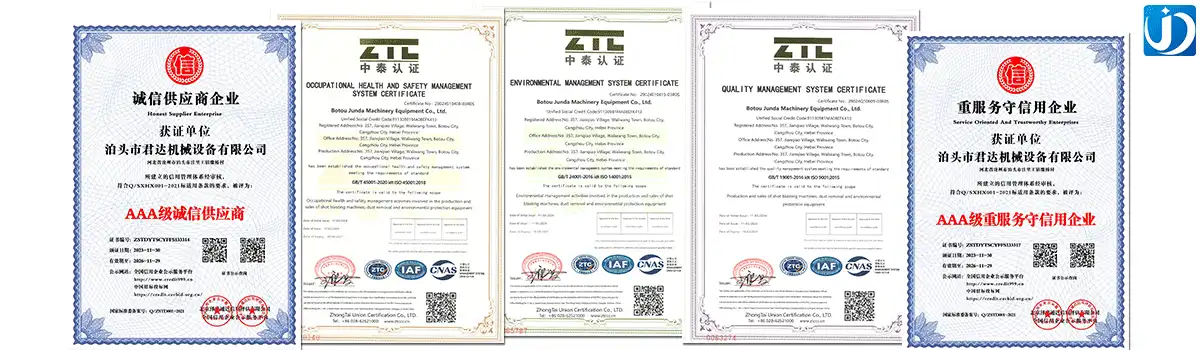
Botou, Hebei, is where Junda Machinery is based. This is a well-known place for making casting tools and dust-free tools. We've been studying and making shot blasting gear for twenty years. For our management systems, we have ISO 9001, ISO 14001, and ISO 45001 certifications. To meet export standards, we offer scientific papers, qualification files, and test results. Many different brands of machine parts can be used with our range of blast wheels. Please send us the model number and pictures. Before you place your order, we will check them to make sure they match.
Customization and Technical Innovation
There are two utility model patents and seven copyrights for software that we own. Private marking is one of the OEM and ODM services we offer. When you order equipment, we can paint the outside, change the size of the machines, and set up systems to collect dust. If your blast wheel has to deal with a lot of wear or corrosion, please explain the piece of work, the media, and how many hours it has been used. They will tell you about the different products you can use and give you a plan that will work for your line.
Delivery, Export Support, and After-Sales Service
We have a lot of stock on hand so that orders can be filled quickly. Depending on the specifics, standard customized gear can be made in about 15 days. We answer questions in 6 to 8 hours. We ship shipments that are too big for their containers, shipments that are less than containers, and shipments that are full containers. Along with export packing, customs paperwork, and certificates of origin, we can also help. Remote installation help, commissioning, operator training, English manuals, maintenance videos, and a steady supply of original spare parts are all part of the support.
Conclusion
A blast wheel should have just a few things that you need to look for. First, use the blast wheel's model code, mounting interface, and size to make sure it fits the machine. Second, write down the piece of work, its condition, and the product so that the wheel can give you the finish that your finishing standard requires. Third, think about what the blades are made of. Most of the time, high-chromium metals last longer and need less upkeep than regular cast iron. Fourth, ask to see the balance's records. An unbalanced system makes the bearings vibrate and wear out. Fifth, calculate how much it will cost over its entire lifetime, taking into account stops, energy use, and blade changes. With the help of basic tracking data and frequent checks, the blast wheel will continue to work as expected.
FAQ
How long does a blast wheel last?
Different types of abrasives, blade materials, and how often they are used can change how long they last. Most plain cast iron blades last between 200 and 400 hours. On the other hand, blades with a lot of chrome tend to last three to five times longer.
Can more than one blast wheel be used for different things?
Many wheels can throw steel shot and cut wire, but the way they wear down and blast depends on how hard the media is and how big it is. Make sure you know what your material is before you order it.
What are the early signs of wheel wear?
Be careful if the machine shakes more, cleans unevenly, takes longer to run, makes strange sounds, or has blades or the control cage that look like they've been used a lot.
How do I confirm a replacement wheel will fit?
Tell them the model number, such as 034, Q034, or Q030, and how to put it. We'll see if it works as a team.
Contact Junda Machinery, Your Blast Wheel Manufacturer
The management at Junda Machinery is ISO-certified, and the company has been making blast wheels for 20 years. Customers can choose between OEM and ODM. If you need a company that can make blast wheels quickly and help you with technical issues in English, email junda001@jundablast.com with your model code and plans. Visit jundablast.com to learn more about our products. We'll get back to you in six to eight hours.
References
1. ISO 8501-1: Preparation of Steel Substrates Before Application of Paints and Related Products, International Organization for Standardization, 2007
2. ISO 21940-11: Mechanical Vibration – Rotor Balancing – Procedures and Tolerances for Rotors with Rigid Behaviour, International Organization for Standardization, 2016
3. ASTM A532/A532M: Standard Specification for Abrasion-Resistant Cast Irons, ASTM International, 2014
4. SAE J444: Cast Shot and Grit Size Specifications for Peening and Cleaning, SAE International, 2005
5. Shot Peening Applications, 9th Edition, Metal Improvement Company, 2005
6. ASM Handbook, Volume 5: Surface Engineering, ASM International, 1994

USER EVALUATE
Real feedback and practical experience shared by worldwide partners who purchased our machinery and environmental treatment devices.