
Shot Blaster Maintenance: Tips for Better Performance and Longer Life
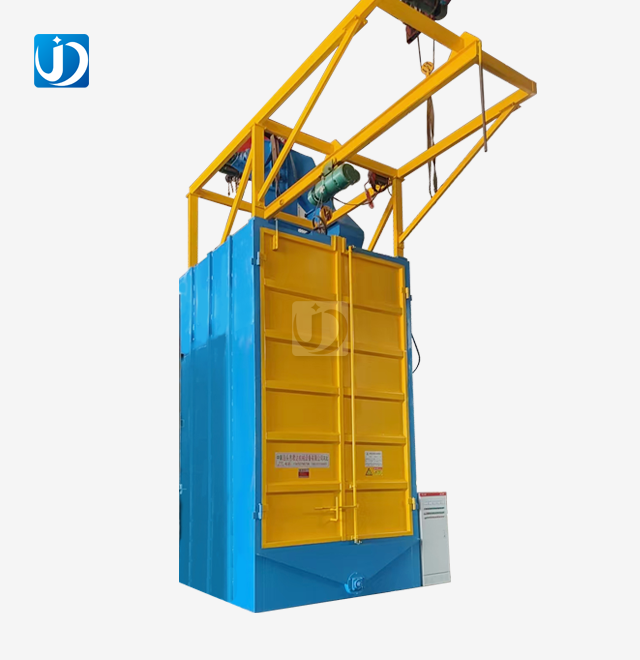
The best way to keep a shot blaster productive for years is to follow a simple routine. Inspect wear parts on a fixed schedule, keep the abrasive clean and correctly sized, lubricate moving parts, and keep the dust collector working. I have found that most breakdowns start as small, ignored signs, such as an uneven blast pattern or rising motor current. In this guide, I explain which components wear first, how to fix common faults, what daily-to-monthly checks look like, how to choose a maintenance model, and how to protect operators and the environment.
Understanding Shot Blaster Maintenance
Why Maintenance Protects Output and Surface Quality?
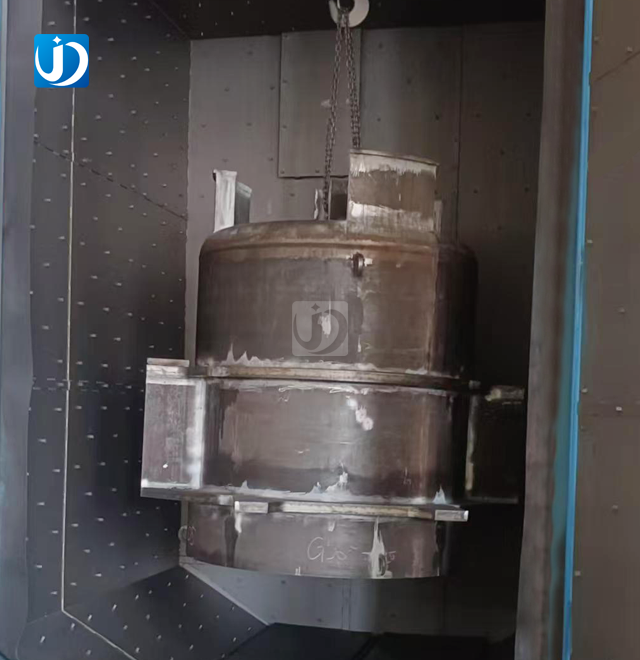
By throwing steel abrasive at the workpiece, a shot blaster gets rid of rust and mill scale. Our machines throw abrasive at speeds between 60 and 85 m/s. This lets plate, sections, castings, and hardware reach Sa2.0 to Sa2.5 cleanliness in a single pass. When the wheel's wear changes how it throws grit, cleanliness goes first and then repair. ISO 8501-1 describes the Sa grades by comparing how they look, so a blast pattern that isn't even can be seen right away during inspection. With a weak pattern, you have to re-blast, coat, and miss delivery dates for many export orders. A steady routine keeps the pattern stable and turns stops that happen by surprise into ones that are planned.
The Components That Wear First
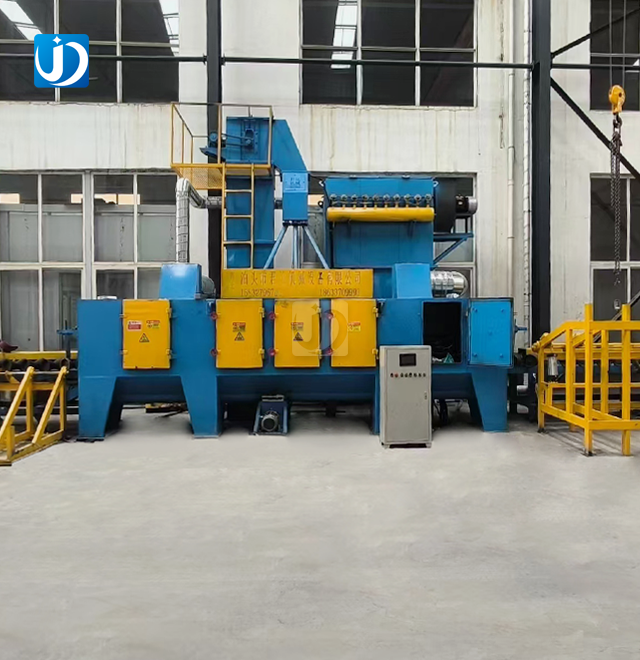
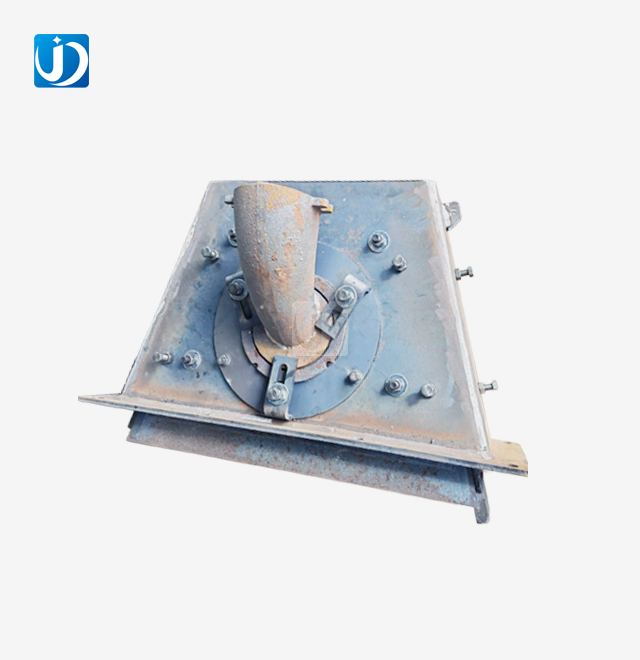
Wear goes in the same direction as the grit. The blast wheel is where I start every check because that's where the blades, impeller, control cage, and plates take the most damage. The abrasive circuit includes the air-wash separator, the screw conveyor, the elevator belt and buckets. Fine particles get stuck in dust collector filters, and when dust gets to motors and bearings, it hurts them. Finally, the sensors, PLC, and variable frequency drive all need to be connected in a way that is clean and tight. If you know this order, you can make a short list and make sure you have the right spare parts on hand before something goes wrong. That's especially important for setups with more than one wheel, since a worn-out wheel can throw off the whole cleaning job.
What Neglect Costs Over Time
If you don't take care of something, you'll end up losing small amounts of money. As the worn blades throw less energy, the workers slow down the conveyor to make up for it, which lowers the output per shift. When grit breaks down, it makes liners wear out faster, and when a liner fails, it lets direct pressure hit the chamber wall. When dust gets into bearings, it shortens their life and can cause motors to stop working. Each of these problems is easier to avoid than to fix, and the total cost of ownership depends more on how well you take care of your new purchase than on the decision to buy it in the first place. A planned service routine also helps plants with steady uptime when they replace older sandblasting or manual lines.
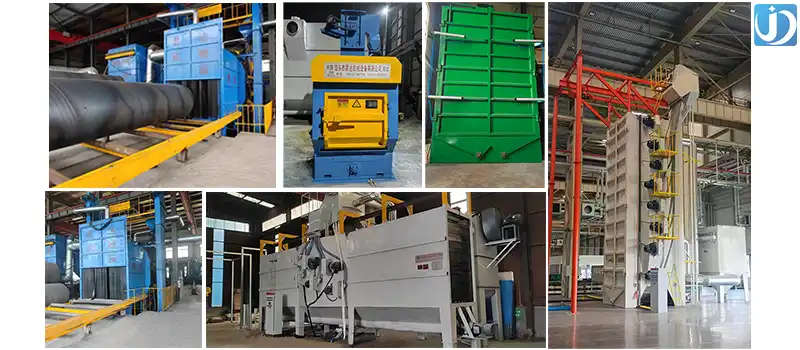
Common Maintenance Issues and How to Solve ThemWeak Cleaning Power and an Uneven Blast Pattern
It's a plate that comes out of the machine with bare spots and rusty ones. I check four things in that order. First, the blades and impeller wear out because they throw abrasive with less force when they are worn. When the control cage opens, the hot spot moves away from the path of the workpiece because of wear there. Third, the speed of the wheels in the drive modes. Fourth, the rough mix. After each fix, a clean steel test plate is run to see if the pattern is back in the middle. For this reason, a pressure gauge will not be useful since centrifugal machines do not depend on air pressure like nozzle systems do. It depends on the speed of the wheels, the flow of abrasive, and the condition of the part.
Abrasive Contamination and the Wrong Working Mix
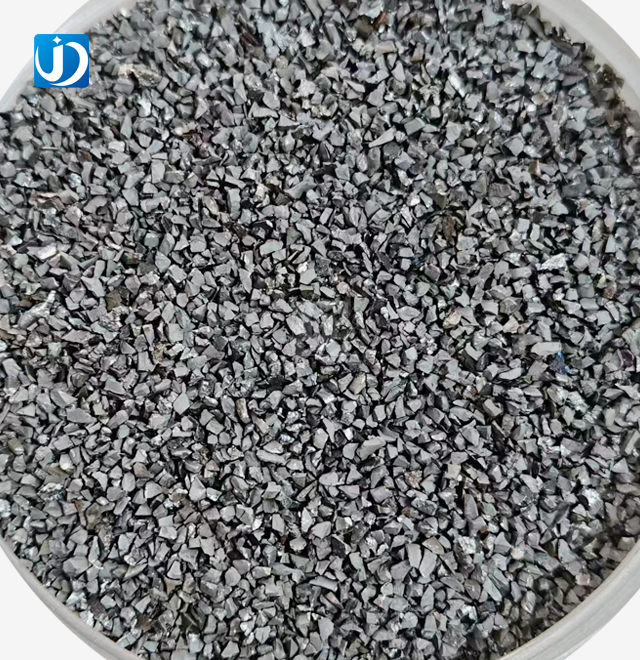
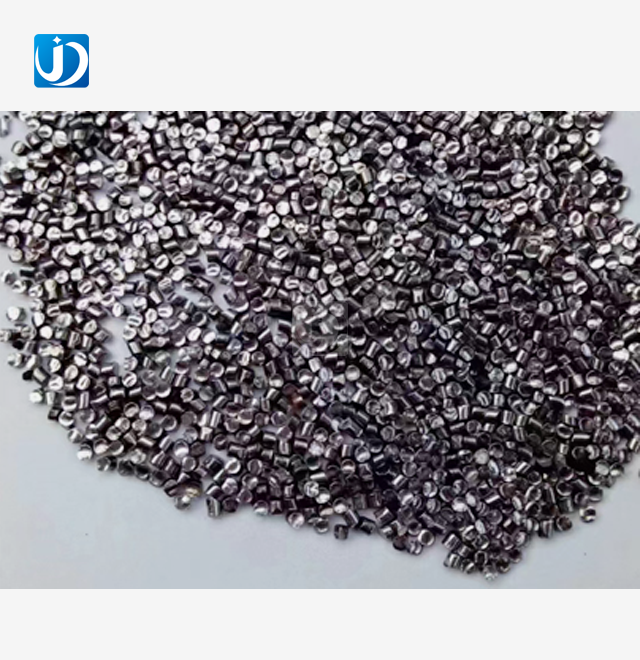
Steel shot wears out over time. Fines, scale, and dust should be taken out by the separator, but useful bits should still be moving through it. Because fines stay in the mix if the air-wash is set too low, it cleans less well. Good abrasive will leave with the dust if it is set too high. I keep grit off the floor and under cover because it clumps when it gets wet. Specifications for metals blast-cleaning abrasives are in ISO 11124. You can tell when the mix has changed by comparing a sample to the size data provided by your source. Small amounts of new abrasive added often keep the mix more stable than large amounts added rarely.
Blockages, Dust Collector Loading, and Recirculation Faults
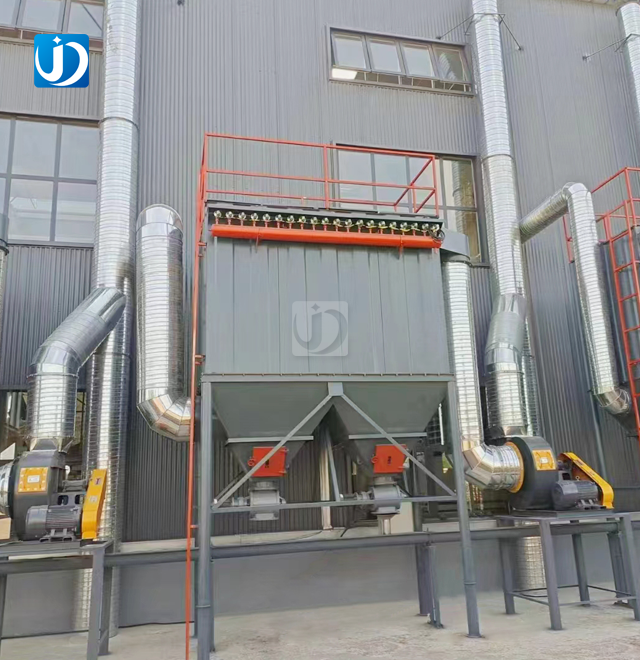
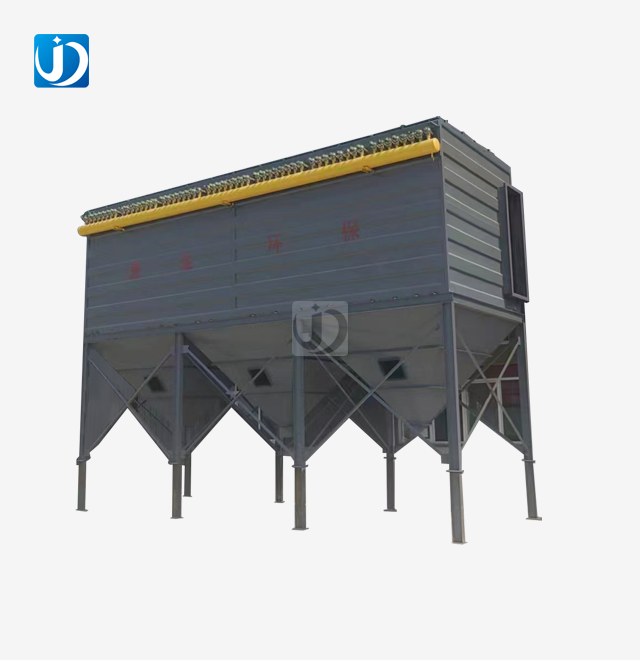
Blockages usually start when lumps of scale or other foreign objects get into the elevator or screw conveyor. Before starting up again, clean the screen, make sure the elevator belt doesn't slip, and check the condition of the bucket. When the filter tube is clogged, the resistance goes up. This makes the airflow go down, which lets dust get into the work area. This system keeps track of how well dust is being removed, which helps repair teams take action before the collector falls behind. When something goes wrong with one part of our machines, it usually shows up quickly in another. This is because the dust removal system is linked to the shot blaster's controls and the controlled flow of abrasive.
Essential Maintenance Tips for Better Performance
Set Clear Goals Before You Write the Schedule
A schedule works best when it aims for two things: a steady routine of blasts and planned rest. I think you should write down the number of hours the machine was used, the amount of tons it handled, the amount of abrasive that was added, and the date that each wear part was replaced. After a few months, these records will show you how much you really wear, which is better than any plan. This kind of tracking can be done with Junda Machinery's Equipment Maintenance and Production Scheduling Management Platform, and PLC control makes sure that wheel settings stay the same from shift to shift. Clear goals also help a plant with only one eight-hour shift decide whether to service during breaks or on a set stop every week.
A Practical Daily, Weekly, and Monthly Routine
This is a routine I suggest you start with.
- Daily: Listen for new sounds, look for weak guards or bolts, check the abrasive level, and look for abrasive leaks in door seals and curtains. Also, empty the dust bin. Before the first piece of work goes into the machine, these quick checks find many problems that are starting to show up. Note down anything strange, even if it seems unimportant.
- Weekly: Check for wear on the blades, the control cage, and the liners while the power is off. Check the condition of the screw conveyor and the tension of the elevator belt. Clean the separator and look for fines and contamination in an abrasive sample. Write down what you find so that over a few weeks you can see wear trends. Any part that is worn out should be replaced.
- Monthly: As directed in the instructions, grease the motor and wheel bearings, fix the electrical connections, and check the sensors and variable frequency drive. Check the filter refills, then look at the log to figure out what parts to order next. Check that the guards, interlocks, and safety stops still do what they're supposed to do, and keep the results with your repair records.
When you do this every day, small problems stay small.
Monitoring, Training, and Documentation
With sensors and buttons, maintenance is no longer a guessing game but a trend-watching game. When the motor current slowly goes up, the wheel takes longer to get going, or the dust collection reading goes down, these are all signs of wear. With PLC management and changing frequency drives, the same settings can be used for each shift. As important as hardware is training. Operators who know what a normal sound and blast pattern looks like are more likely to report problems. We give your team English operation manuals, maintenance videos, and remote help so they can learn the steps without having to wait for a site visit.
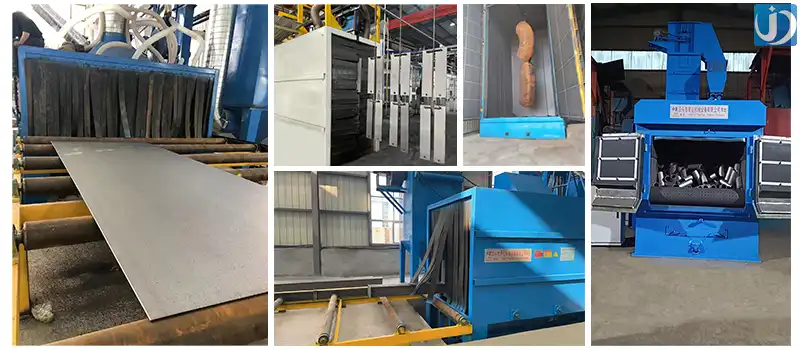
How to Choose the Right Maintenance Strategy for Your Shot Blaster?Match the Strategy to Your Workload
Duty sets the speed of wear. Abrasive and liners are used up faster when heavy descaling of structural steel or removing sand and burnt-on residue from castings is done than when light surface preparation is done before coating. We have machines that can handle between 0.5 and 20 t/h. A plant that is close to its maximum throughput should check its wear parts more often than one that is far below it. Calendar weeks are not as important as business hours. I think you should start with shorter check times for the first few months and only make them longer when your records show that it's safe to do so.
In-House Team, Outsourced Service, or a Mix
An in-house team can react quickly and know the shot blaster machine well, but it needs trained techs, tools, and a supply of worn parts. If you hire an outside service, they will have the right skills, but the travel time can make the repair take longer. A lot of plants choose a mix: the maintenance crew does work every day and every week, and the manufacturer helps with training, troubleshooting, and commissioning. Junda Machinery offers online help with installation, setup, troubleshooting, training for operators, and upkeep. We can also get an engineer from another country if the job needs one. With our team's quick responses (6–8 hours), you won't have to wait long to ask about a worn part.
Support Plans for Distributors, OEM Partners, and End Users
People who want to buy need different plans. It is common for distributors to keep wear parts for the machines they sell on hand so that their customers don't have to wait too long for parts to arrive. OEM and ODM partners need full papers, the ability to private label, and setups that meet the voltage and environmental rules in their area. End users need a spare parts package that fits their needs and an easy way to get in touch with customer service. We keep a lot of stock on hand, can make standard or customized machines in about 15 days, and will continue to offer original extra parts for a long time. We also offer technical documents and test reports, and we can help you get CE certification so you can sell your products.
Enhancing Shot Blaster Longevity: Safety and Environmental Considerations
Lockout-Tagout and Personal Protective Equipment
Turn off and lock the power before anyone enters the room or touches the wheel. 29 CFR 1910.147, OSHA's standard on the control of hazardous energy, tells U.S. workplaces how to do lockout and tagout. When the power goes out, a blast wheel keeps spinning. Wait until you can see that it has stopped spinning for sure. Eye and ear protection, gloves, and a mask that is right for the dust the operator works with should all be worn by the operator. As used abrasives and dust can carry things off the object, you should treat every cleanout job as one that exposes you to dust. Having written procedures and records of training can also help with audits.
Dust Control During Upkeep
Because doors open and filters come out during maintenance, it often makes more dust than normal running. Turn on the collector and leave it on while you work. If you want to clean surfaces, don't use compressed air. Blowing air brings small particles back into the breathing zone. The 2016 finalization of OSHA's respirable crystalline silica standard is important in foundries and other places where silica sand may be present. As the manual says, change the filter cartridges and put used cartridges in a bag before throwing them away. Strong dust control also takes care of the environmental issues that older hand sanding lines often face.
Abrasive Recycling, Waste, and Energy Use
Its biggest environmental benefit is automatic abrasive cycling, which puts used steel shot back on the wheel after each pass instead of throwing it away. That edge stays if you keep the separation tuned. Follow local and national rules when you send used filter cartridges, worn blades, and spent dust to places where they can be thrown away. Variable frequency control lets you change the speed of the motor to fit the job. By installing the right amount of power—from 15 to 120 kW as normal, and up to 200 kW if needed—the work doesn't have to use more power than it needs. Junda Machinery has both ISO 14001 and ISO 45001 certifications, which show that they care about running their business in a responsible way.

Conclusion
A shot blaster can be kept in good shape by doing a few things over and over again. The blast wheel is where the wear begins, the abrasive circuit is where it finishes, and the dust collector is where it begins. This is also where the check should go. A lot of problems, like odd blast patterns, contaminated abrasive, and jams, are caused by parts being replaced too late or not managing the abrasive properly. A daily, weekly, and monthly schedule, along with records, controls, and training for operators, helps keep things clean and plans downtime. The best approach relies on how much work needs to be done and what skills are available. A lot of plants do both in-house work and work with manufacturers. Long-term safety measures like lockout-tagout, protection gear, and dust control, along with reusing abrasive materials, keep people and equipment safe.
FAQ
How often should I inspect the blast wheel parts?
At first, check the blades, the control cage, and the liners once a week while the power is off. After keeping track of the wear rate, abrasive type, and operating hours, change the interval.
When should I replace worn components?
If the blast pattern changes, the part's cleanliness drops below the required Sa grade, or it wears out beyond what the manual says, it needs to be replaced. Do not wait until the whole thing breaks because a lining or blade that is broken can hurt parts nearby.
Does regular upkeep make a shot blaster safer?
Yes. Abrasive leaks, dust exposure, and unexpected startup are less likely to happen when guards are in place, door seals are secure, dust collection is working, and lockdown procedures are followed correctly. If you take care of your shot blaster, does it become safer?
Can Junda Machinery help with maintenance support?
Yes. We offer original spare parts, English manuals, maintenance videos, remote guidance, operator training, and English-language manuals. We also respond to questions within 6–8 hours.
Request Shot Blaster Maintenance Support from Junda Machinery
Junda Machinery has been making shot blasting equipment for 20 years and has ISO 9001, ISO 14001, and ISO 45001 certifications. They also have standard models in stock and can make standard personalized machines in about 15 days. Send an email to junda001@jundablast.com or go to jundablast.com to compare shot blaster manufacturers for a new line or a package of extra parts. Our team will get back to you in 6–8 hours with a response that includes the type of workpiece, the output target, and the local voltage.
References
1. ISO 8501-1: Preparation of Steel Substrates Before Application of Paints and Related Products, 2007
2. ISO 8504-2: Preparation of Steel Substrates Before Application of Paints and Related Products – Surface Preparation Methods – Abrasive Blast Cleaning, 2019
3. ISO 11124: Preparation of Steel Substrates Before Application of Paints and Related Products – Specifications for Metallic Blast-Cleaning Abrasives, 2018
4. OSHA, The Control of Hazardous Energy (Lockout/Tagout), 29 CFR 1910.147, 1989
5. OSHA, Occupational Exposure to Respirable Crystalline Silica Final Rule, 2016
6. Directive 2006/42/EC of the European Parliament and of the Council on Machinery, 2006

USER EVALUATE
Real feedback and practical experience shared by worldwide partners who purchased our machinery and environmental treatment devices.