
What Are the Advantages of Using a Steel Shot Blasting Machine?
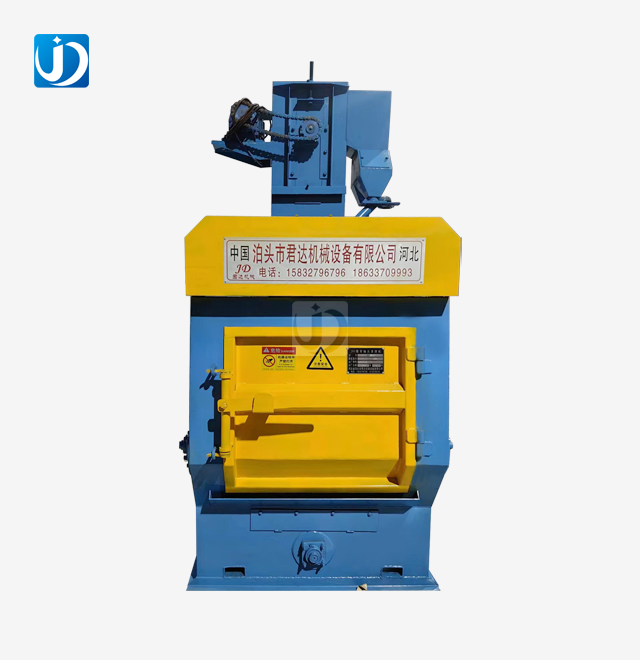
If you manage surface preparation in a metal fabrication shop, you already know how much a single batch of uneven rust removal can cost — in rework, rejected coatings, and lost client trust. A steel shot blasting machine solves exactly that problem. By propelling hardened steel shot at speeds between 60 and 85 m/s against metal surfaces, it strips rust, mill scale, and oxidation with consistent depth and coverage across every piece in a batch. The result is a clean, profiled surface that bonds reliably with coatings — and that alone makes this equipment the standard choice for steel structures, castings, auto parts, and engineering components worldwide.
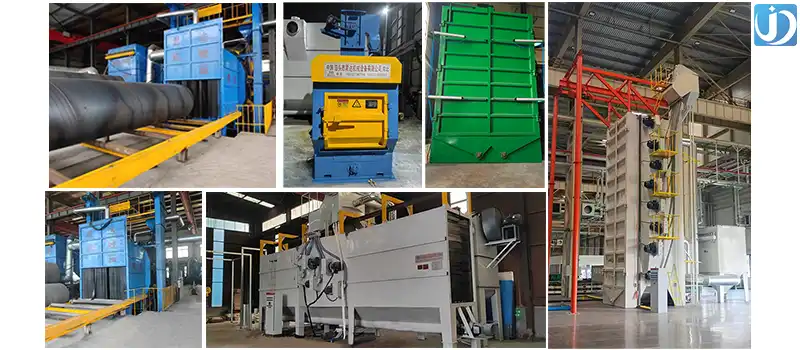
Understanding the Steel Shot Blasting Process
It's helpful to know what goes on inside the cabinet before you compare your choices.
How the Blast Wheel Works
It has a blast wheel that spins really fast and shoots steel shot through a cage that lets you aim it. Where the grit hits and how deep the surface profile goes depend on the slope and speed of the stream. At Junda, there are tools with power levels between 28 kW and 185 kW that can handle 1 to 18 tons of material per hour. These tools can make both small hardware items and big building beams.
Steel Shot vs. Steel Grit vs. Sand
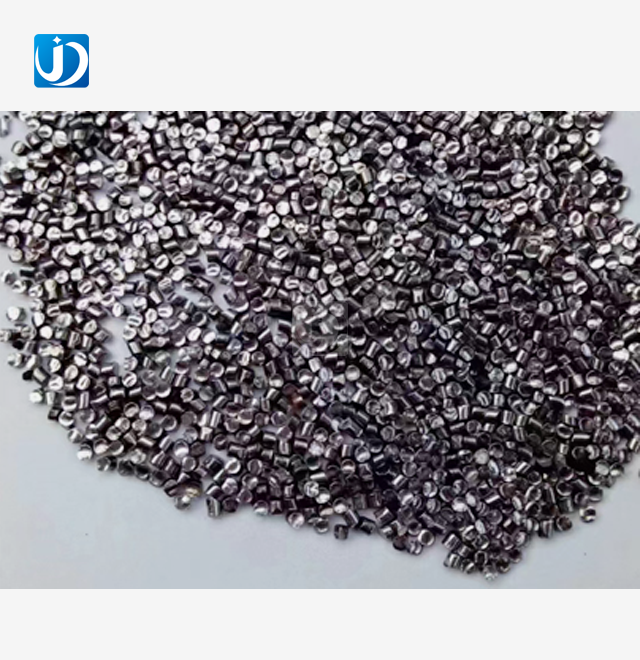
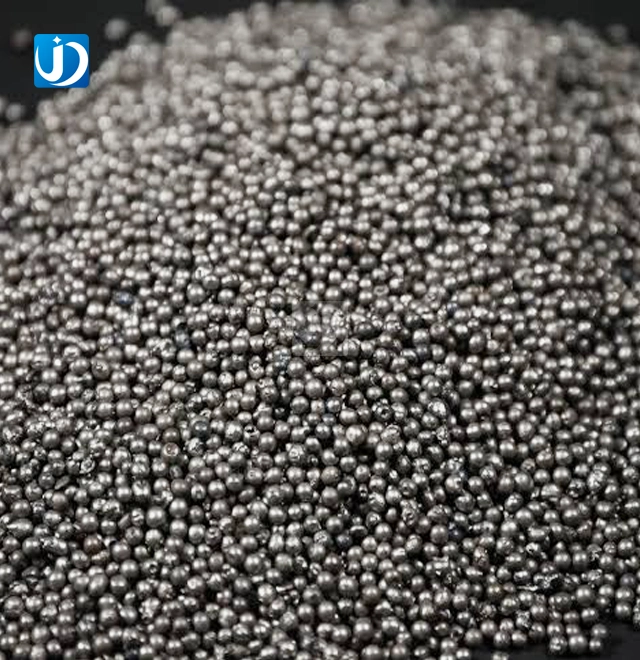
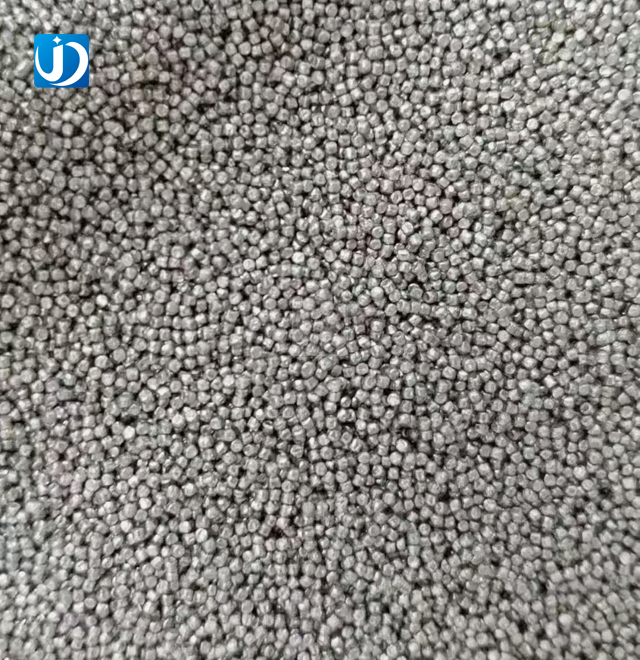
Steel shot is great for painting because it makes a surface that is both smooth and rough. When it comes to heavy-duty jobs, anchors made with steel grit are sharper and better. Sand blasting, on the other hand, makes silica dust, which is usually illegal or not allowed and is bad for your health. You can use steel shot more than once. A closed-loop repair system sorts the useful shot from the broken and dusty ones. After being cleaned, the grit is sent back to the wheel by itself.
Shot Size and Surface Profile
There is a direct link between the shot size and the roughness number (Rz). S330 or S390 steel shot is often used for easy descale. As the layer or rust gets worse, you may need a grit mix or a bigger shot. Don't hurt the surface or clean it too little; do it right the first time.
Major Advantages of Using Steel Shot Blasting Machines
This is where the numbers really stand out. Before you buy something, here are some important things to keep in mind:
- Consistent surface cleanliness. A surface that is always clean. If you set up your machine correctly, all four blast wheels should be at right angles to each other. This way, the machine can cover all 360 degrees without any empty spaces. In line with ISO 8501-1, each piece has the same cleanliness number: either Sa 2.5 or Sa 3.0. This cuts down on the number of pieces that don't have a covering. Companies that make car parts and solid steel don't get packages sent back because their goods are always the same.
- Reduced labor and processing time. There is less work to do and less time to work. You can grind or blast a structural beam by hand for 30 to 60 minutes each time. There is a continuous-feed blasting gadget that lets one person watch the line and work on the same piece at the same time. In this field, automatic blasting lines can finish the job in 60 to 80% less time than methods that are done by hand.
- Lower abrasive cost through recycling. It's cheaper to use abrasives more than once. Closed-loop steel shot recovery sorts dust, broken pieces, and live shot all at the same time. You can use the shot that comes back to the blast wheel, but you can't use it. It goes to the dust collection. This way of fixing things uses a lot less grit than open-nozzle sand blasting, where the media is thrown away after the first use.
- Adaptive speed control for mixed workloads. The speed can be changed for different jobs. They can change the moving speed and wheel RPM depending on the size of the piece being worked on, how hard the material is, and how much rust there is. You no longer have to do a process of retooling by hand every time you want to switch between a thin sheet metal part and a thick casting. Instead, the settings are changed at the menu.
- PLC-driven process repeatability. A PLC control system is built in to keep track of factors and save sets for each job. You don't have to guess when the machine starts a new job or when a person leaves. This is very important in places where a lot of people leave their stuff.
Customers will be happier with your work, you'll pay less per ton to process this material, and you'll see a clear return on your equipment investment in two to four years for plants that handle medium amounts of material.
Choosing the Right Steel Shot Blasting Machine for Your Business
This steel shot blasting machine is best for you if you have enough space on the floor, the piece you're making is the right shape, and you need to do a lot of work.
Machine Type by Application
Roller conveyors can move both flat plates and structural profiles. These kinds of tools can be used to make molds and metal parts with difficult shapes. Tunnel systems are good for making cars or pipes that run in a straight line. The level of coverage is different for each setup, so the plan needs to be matched to the item.
Supplier Credentials Matter
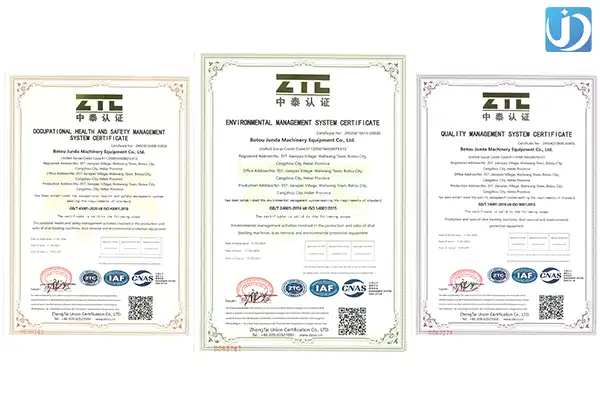
First, look at the ISO 9001, ISO 14001, and ISO 45001 standards. They prove that the business does what it says it will do in writing when it comes to quality, safety, and the environment, not just what it says it will do over the phone. If you want to sell your things in Europe or follow the rules for exporting, you need to get CE permission.
After-Sales Support for Long-Term Operation
If a machine works two shifts a day, it will need wear parts. Most blast wheel blades last between 500 and 800 hours. Make sure that the supplier has original replacement parts on hand, as well as English-language instructions for how to use the equipment, help with setting it up remotely, and repair services. When a blasting line breaks, the coating process further down the line stops.
Maintenance and Best Practices for Optimal Performance
You can't just buy a steel shot blasting machine and forget about it. If you want regular results, you need to do regular upkeep.
Daily and Weekly Checks
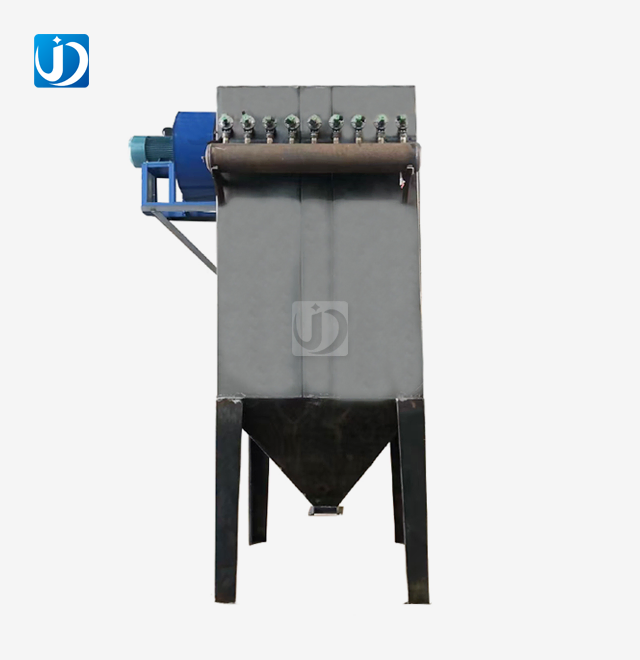
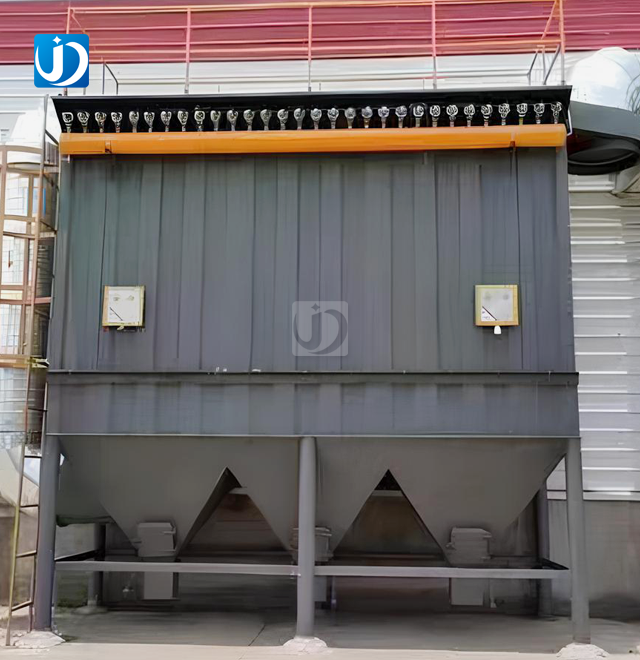
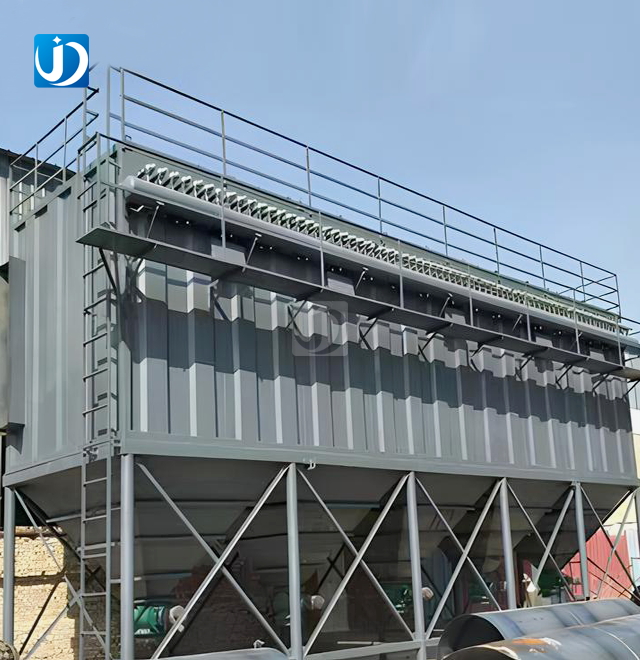
Every day, look for damage on the blast wheel's blades and bases. If you look at the grit recovery divider, you can tell if it is fouled up. Make sure that there isn't too much air going through the dust collection device. To follow the rules for the environment, emissions should not go over 20 mg/m³.
Wear Part Replacement Schedule
Rubber liners made of high-chromium alloys (HRC ≥ 60) last a lot longer than steel ones. To make sure the blade lasts as long as possible, write down how many hours it has been used. The bearings will wear out faster and the surface patterns will not match up if the blades wear down in different places.
Operator Safety Protocols
A dust mask, safety glasses, and earplugs are some of the PPE that operators need to wear. Before you look inside, lock the blast wheel. Be careful when you work with steel shot because the grit that hits you from behind can hurt you. People are a lot less likely to get hurt when training records are written in the language of the user.
Conclusion
Most of the time, bad raw materials are not to blame when working with metal for a bad surface. If you don't prepare the area properly, they will happen. That doubt goes away if you describe the steel shot blasting machine correctly. The machine can handle different amounts without changing how it works because it has closed-loop abrasive recovery, repeated cleanliness grades, and speed sets that can be changed. Better surface prep means that coatings will fail less often, repairs will cost less, and relationships with clients will be better in the long run. People in charge of quality, process engineering, and purchasing who look at blasting tools can see this.
FAQ
Can a blasting machine handle multiple workpiece types?
The RPM and speed of the wheels can be changed to work with different sizes, types of metal, and amounts of rust. With a speed control that works over a wide range, this is possible. When you switch between product lines, setting up takes less time.
How does steel shot blasting compare with sand blasting for efficiency?
A steel shot blast is better because it is safer, faster, and cleaner. Silica dust is made when you sandblast, and many places don't let you have it. It's bad for your health. Over time, steel shot saves money on abrasives and reduces the amount of trash that needs to be thrown away.
Is this equipment environmentally compliant?
Even dust as small as a few microns can be picked up by a pulse-jet system that works really well. This keeps pollution below the limits set by law. With a closed grit collection method, open release can't happen. These two things help you follow environmental rules in the US, the EU, and most other places you sell your goods.
What cleanliness grade does the machine achieve?
If they are set up right, they can reach ISO 8501-1 grades Sa 2.5 or Sa 3.0. These are the rules for heavy industry paint systems and coatings that protect structural steel.
How long does delivery take?
Based on the specifics of the order, standard customized gear usually ships about 15 days after the order is accepted.
Get a Surface Preparation Solution That Actually Fits Your Line
Botou, Hebei, has been one of the most important places in China for making factories equipment for twenty years. There, Junda Machinery has been making tools for shot blasting. We are an OEM partner that can sell you a steel shot blasting machine for a single production line or for a whole set of branded equipment. We can change how each machine works to meet your needs for speed, safety, and the type of material you have. Email us at junda001@jundablast.com or go to jundablast.com to get specs, a list of goods, or a straight quote.
References
1. SSPC: The Society for Protective Coatings. Surface Preparation Standards and Commentary. SSPC, 2019.
2. ISO 8501-1. Preparation of Steel Substrates Before Application of Paints and Related Products — Visual Assessment of Surface Cleanliness. International Organization for Standardization, 2007.
3. Rossi, S., Deflorian, F., & Fedrizzi, L. "Effect of surface preparation on the corrosion resistance of coated steel." Progress in Organic Coatings, Elsevier, 2003.
4. Momber, A. W., & Kovacevic, R. Principles of Abrasive Water Jet Machining. Springer, 1998. (Chapters on abrasive media comparison and surface profile measurement.)
5. TWI Ltd. "Shot Blasting and Grit Blasting — Process Review and Industrial Applications." TWI knowledge Summary, 2018.
6. NACE International. Corrosion Control in the Refining Industry — Surface Preparation Guidelines. NACE, 2015.

USER EVALUATE
Real feedback and practical experience shared by worldwide partners who purchased our machinery and environmental treatment devices.